
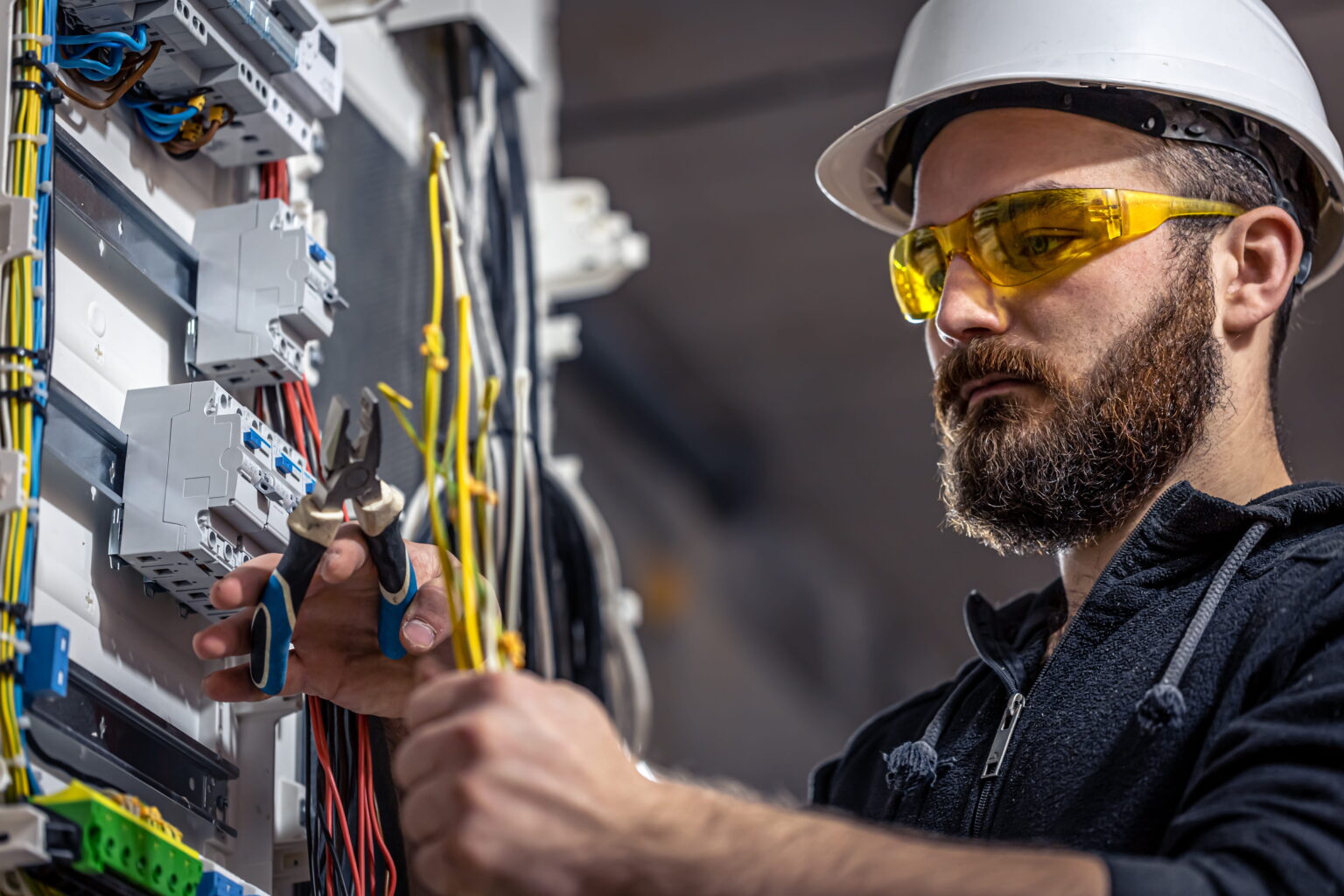
Australia offers strong employment opportunities for qualified electricians. Skilled tradespeople are in demand across a wide range of sectors, including residential construction, commercial and industrial projects, infrastructure development, and renewable energy.
However, it is important to understand that electrical work in Australia is a licensed trade. This occupation is subject to strict legal requirements, particularly in relation to safety standards, technical competency, and regulatory compliance.
If you have completed your electrician training overseas and wish to work in Australia, you will generally need to complete a skills assessment, obtain an appropriate electrical licence (often starting with a provisional licence), and hold a visa that allows you to live and work in Australia.
Why Australia is an attractive destination for electricians
Australia continues to invest heavily in residential construction, infrastructure projects, and renewable energy. As a result, electricians are needed across many sectors, including new builds, maintenance, industrial operations, and large-scale renewable energy installations such as solar and wind projects.
Because electrical work is safety-critical, the occupation is tightly regulated. In most cases, only licensed electricians are permitted to carry out electrical work independently.
The electrician profession in Australia – duties and requirements
In Australia, the occupation is classified as Electrician (General). Electricians typically work on electrical installations and systems in residential and commercial buildings, industrial environments, and infrastructure projects.
Typical responsibilities include:
Installing electrical systems in residential, commercial, and industrial buildings
Maintaining, testing, and repairing electrical installations
Working from technical drawings and in accordance with Australian standards and safety regulations
Carrying out mandatory testing and compliance checks
Electrical work is a licensed trade in Australia. This means that electrical work may only be carried out independently by individuals who hold the appropriate electrical licence.
Electrical licensing is regulated at the state and territory level rather than nationally. Each state and territory has its own licensing authority (e.g. Energy Safe Victoria) and its own specific licensing requirements.
Key differences between overseas qualifications and Australian licensing requirements
In many countries, completing a recognised vocational qualification is sufficient to work as an electrician without obtaining a separate occupational licence.
In Australia, however, obtaining an electrical licence is mandatory, regardless of where the qualification was completed. Electricians trained overseas must complete a formal recognition process and meet Australian licensing requirements before they can work independently.
Can you work in Australia with an overseas electrician qualification?
Australian employers are generally open to hiring electricians with overseas qualifications. However, it is not permitted to work as a fully qualified electrician in Australia without holding the appropriate electrical licence. This regulatory framework is designed to protect workers, businesses, and the public, and to ensure that electrical work is carried out in accordance with Australian safety standards.
In practice, this means:
Without an Australian electrical licence, individuals are usually limited to working in supporting roles, such as a Trade Assistant.
Trade Assistants work under the supervision of licensed electricians and are not permitted to carry out electrical work independently.
While this may provide an entry point into the Australian workforce, it does not replace the formal qualification recognition and licensing process.
It is possible to gain initial exposure to the Australian labour market, for example through temporary visa options such as a Working Holiday visa. However, for long-term employment as a fully qualified electrician, or to work independently, obtaining the appropriate licence is generally required.
Requirements for obtaining an electrical licence in Australia
To obtain an electrical licence in Australia, internationally qualified electricians must generally meet two key requirements:
Formal qualification – recognition of overseas training
Completion of a recognised electrical qualification is the primary requirement. Overseas qualifications are assessed to determine whether they are comparable to Australian standards. This assessment considers factors such as the duration and content of the training, the competencies achieved, and the awarding institution.
Recognition is not automatic and is assessed on a case-by-case basis as part of the formal skills assessment process.
Work experience – relevant and current employment history
In addition to formal qualifications, relevant work experience is typically required. Depending on the assessment pathway, training periods may, in some cases, be partially recognised as relevant experience, although this is assessed individually.
Generally, recognised work experience must involve paid employment at the appropriate skill level and reflect the duties of a qualified electrician. Experience in assistant or helper roles is usually not sufficient. The experience should also be recent enough to demonstrate current competency.
Licensing pathway for internationally qualified electricians
Skills assessment – recognition of qualifications and first step towards licensing
The skills assessment is a key step for electricians with overseas qualifications. It evaluates whether the applicant’s training and work experience meet Australian occupational standards and whether their competencies align with the Australian Electrician (General) profile.
The skills assessment typically includes several components and evaluates both formal documentation and practical ability. Unlike many other occupations, recognition for licensed trades such as electricians is not based solely on documentation. In addition to document review, the assessment process often includes a technical interview and a practical assessment.
Typical components of the skills assessment include:
Document assessment: Review of qualifications, employment references, and work history
Technical interview: A structured interview with an assessor, usually conducted online
Practical assessment: A hands-on technical assessment at an approved assessment centre, which may be located in Australia or overseas
All components must be completed successfully. Upon completion, applicants are issued an Offshore Technical Skills Record (OTSR), which confirms that their core technical competencies have been recognised.
The OTSR can be used to apply for a provisional electrical licence.
Supervised employment and gap training
With a provisional licence, electricians in Australia are permitted to work under supervision. This is typically a requirement in order to obtain a full electrical licence at a later stage. Working under supervision allows internationally qualified electricians to become familiar with Australian regulations, standards, and workplace practices.
During this period, applicants complete what is known as gap training, which is designed to address differences between overseas training and Australian requirements.
This training typically covers areas such as:
Australian safety regulations
Local technical standards and compliance requirements
Practical application in the Australian work environment
After successful completion, applicants may be awarded an Australian qualification, the Certificate III in Electrotechnology (Electrician). This qualification fulfils the formal requirements for obtaining a full electrical licence.
Visa options – key pathways for electricians
The most suitable Australian visa depends on individual circumstances, including professional background, qualifications, and long-term goals.
Working Holiday visa – gaining initial experience
Depending on nationality and age, the Working Holiday visa (Subclass 417) or the Work and Holiday visa (Subclass 462) may provide an opportunity to gain initial experience in the Australian labour market, establish contacts with employers, and explore whether to pursue the skills assessment and licensing pathway.
Employer sponsorship – visa pathway with a job offer
There is strong demand for licensed trades, especially electricians. As a result, employer sponsorship is a common pathway for qualified electricians. Completing a skills assessment before seeking employer sponsorship may help attract the interest of potential employers.
Once an employer has been secured, sponsorship may initially be possible through the Skills in Demand visa (Subclass 482), which is a temporary visa valid for up to four years. At a later stage, and typically after obtaining a full electrical licence, applicants may become eligible for permanent residency through the Employer Nomination Scheme visa (Subclass 186).
Licensed trades generally require a valid skills assessment for these visa pathways. Supervised employment and gap training can be completed while holding an appropriate visa, allowing applicants to progress towards full electrical licensing.
General Skilled Migration – points-tested visa pathway
Completion of a skills assessment is a requirement in order to submit an Expression of Interest for a points-tested skilled visa.
Once granted, a skilled visa provides full work rights and either permanent residency or a defined pathway to permanent residency. This may support employment opportunities, as employer sponsorship is not required.
Construction trades, including electricians, are currently often represented among invitations issued for skilled migration visas. This includes the Skilled Independent visa (Subclass 189) and the state-nominated visas (190 and 491), where these occupations are frequently included on nomination lists.
Conclusion: Working as an electrician in Australia
Working as an electrician in Australia is possible, but it requires careful preparation and planning. In most cases, completing a skills assessment is an essential first step. International electrical qualifications can meet the requirements, provided they are formally assessed and recognised through the appropriate skills assessment process.
A structured visa strategy, combined with the licensing pathway, can also provide a route towards long-term employment and, in some cases, permanent residency in Australia.
Those who understand the required steps and complete them systematically can pursue a long-term career as an electrician in Australia, with strong employment prospects and clearly defined regulatory standards. Early preparation and realistic planning are important in order to navigate the process efficiently.
FAQs: Key questions about working as an electrician in Australia
01 Can I work as an electrician in Australia with an overseas qualification?
Yes, but only after successfully completing a skills assessment and obtaining the appropriate electrical licence. Overseas qualifications must be formally assessed before independent work as an electrician is permitted.
02 Do I need an Australian licence to work as an electrician?
Yes. Electricians are a licensed trade in Australia, and electrical licences are issued at the state or territory level. Without a licence, work is generally limited to supporting roles, such as working as a Trade Assistant under supervision.
03 Can I work as an electrician on a Working Holiday visa?
A Working Holiday visa allows employment in Australia and may provide an opportunity to gain initial experience. However, it does not usually permit independent electrical work without holding the appropriate licence. In practice, Working Holiday visa holders often work in assistant or supervised roles.
04 Which visas are most relevant for electricians?
Relevant visa pathways include the Working Holiday visa (Subclass 417 and Subclass 462), employer-sponsored visas such as the Skills in Demand visa (Subclass 482) and the Employer Nomination Scheme visa (Subclass 186), as well as points-tested skilled migration visas including Subclass 189, 190, and 491. The appropriate visa depends on individual circumstances and eligibility.
05 What is gap training and supervised employment?
Gap training is designed to address differences between overseas training and Australian standards. Supervised employment allows electricians to work under the supervision of a licensed electrician while completing licensing requirements. Both are often necessary steps towards obtaining a full electrical licence.
06 Are English language tests required?
An English test is not required for the skills assessment itself. However, sufficient English proficiency is necessary to participate in the technical interview and practical assessment.
For visa purposes, a formal English test is usually required. The required level of English depends on the specific visa subclass.
