
For more than 30 years, New South Wales (NSW) was Australia’s only colony — the country’s first state and its pioneering state. New South Wales was founded when the first penal colony in Australia was established in the late 18th century. Since then, people from all over the world have been drawn here — not only for the good weather, but also for the state’s cultural diversity. With extensive job opportunities, a warm climate and fantastic beaches, New South Wales captures the Australian way of life.

NSW at a glance
New South Wales is Australia’s most populous state — and also its oldest. Home to Sydney, it’s best known for the country’s most iconic city. But beyond the capital, NSW has plenty more to offer, with remarkable variety in climate, industries and lifestyle options. There’s something here for just about every taste.
Population
More than eight million people live in New South Wales. Most of them — around five million — live in Sydney, the largest city in NSW and in Australia. The next largest cities are Newcastle and Wollongong, with just under 500,000 and just over 200,000 residents respectively. That means more than four out of five people in NSW live in one of these three cities.
Main Regions
The following are some of the more popular regions of NSW, and for what the area is most well-known.
Greater Sydney
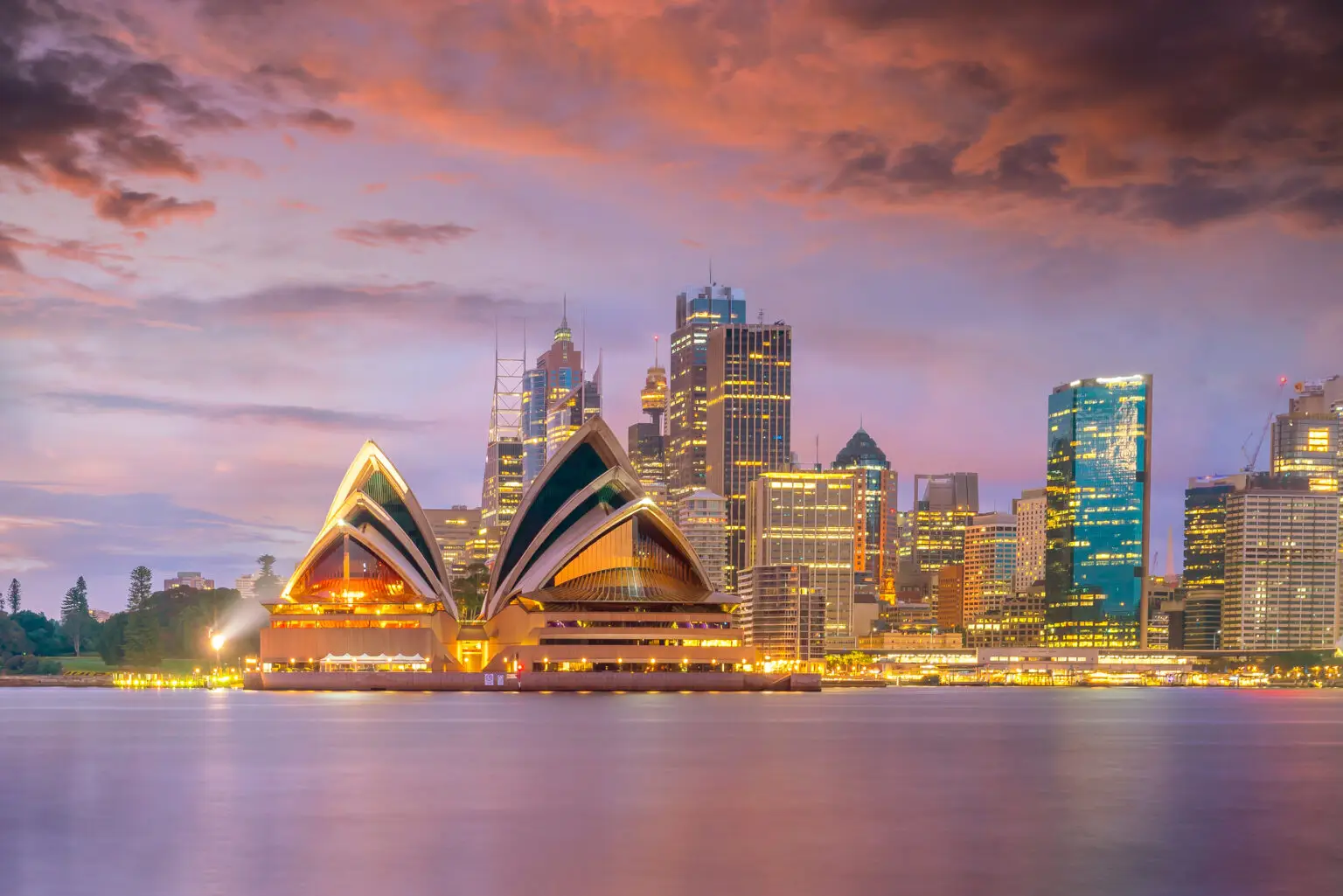
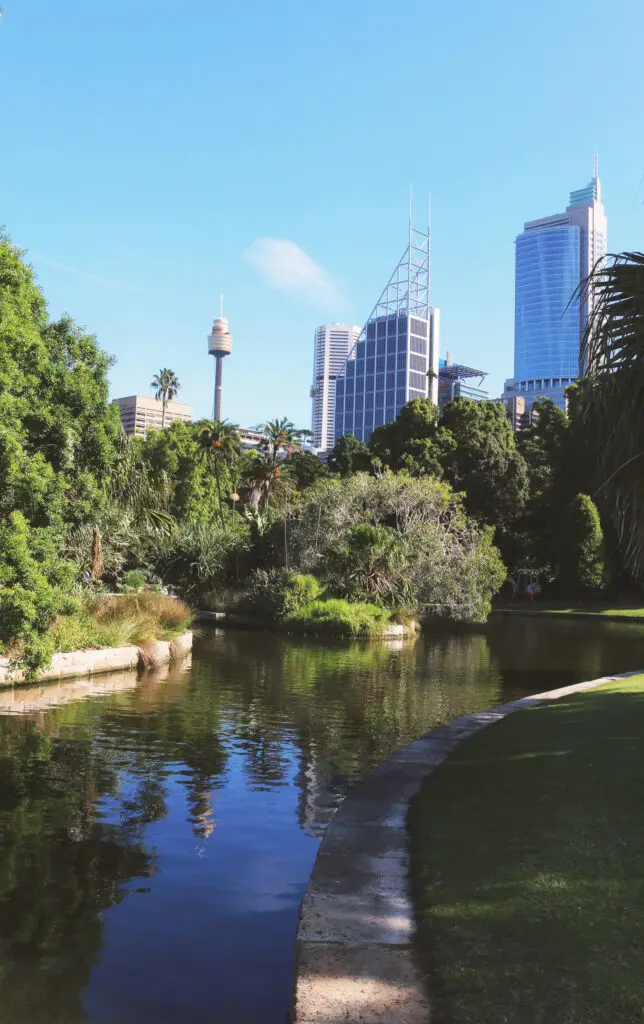
The Sydney area is diverse in population, with the city being the main destination for many immigrants. The Sydney area is packed with tourism destinations, such as the Sydney Harbour Bridge, the Opera House, and the Centrepoint Tower. The city is constantly home to festivals and excitement. The city itself pays homage to its multiple cultures with a perfect melting-pot of cuisine and cultural experiences available across the city and in many of its suburbs.
Newcastle and The North Coast
Along the North Coast of New South Wales you’ll find great surf beaches, excellent inland waterways for fishing, and plenty of other opportunities for people looking to move to Australia. Newcastle has a strong history in mining and the steel industry, which has helped lay the foundation for future technological innovation. The city is also a major trading hub, with the Port of Newcastle serving as the main export port for shipping resources and agricultural products from the northern part of the state.
Wollongong and The South Coast
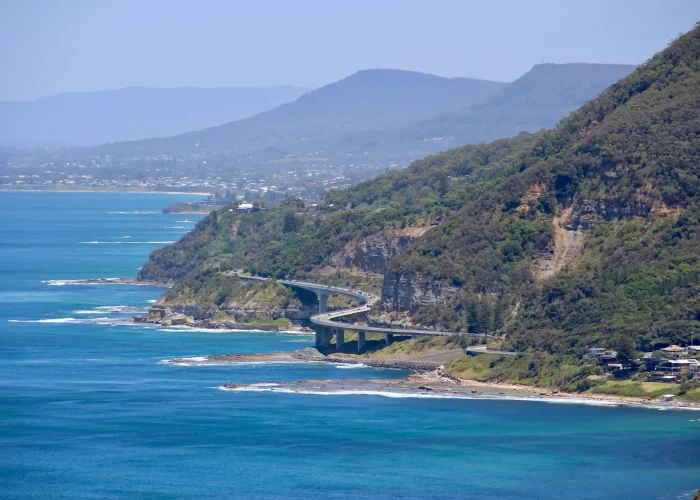
Wollongong is Newcastle’s southern equivalent. The south coast is packed with popular holiday destinations and small bespoke rural towns rich in early history. The climate is milder than the northern half of the state. Wollongong is also a city on the rise, boasting itself as being a new hub for technology, art, food, and entertainment.
Northwest and Central West
Northern inland regional NSW is well known as the industrial and economic backbone of the state where coal is mined and agriculture continues to deliver some strong exports for the nation. Often affected by drought, this rich history of survival has become characteristic of the region.
Riverina
The Riverina is home to some of Australia’s most beautiful landscapes and fertile soils. Much of New South Wales’ wine production comes from this region. The area also contributes significantly to broader agricultural production — both cropping and livestock — with more favourable conditions for food production than in the northern part of the state.
Climate
New South Wales has clearly defined summer and winter seasons, although temperatures can vary significantly between regions. The south experiences cooler winters, especially along the coast where colder southern air has more influence. In some parts of NSW, winter can bring snow and frost. Summer days are often hot — particularly the further north you travel. A key influence on rainfall in New South Wales is the Great Dividing Range. As the watershed for river systems in eastern Australia, it separates the coast from inland Australia and contributes to major regional differences in rainfall.
Lifestyle
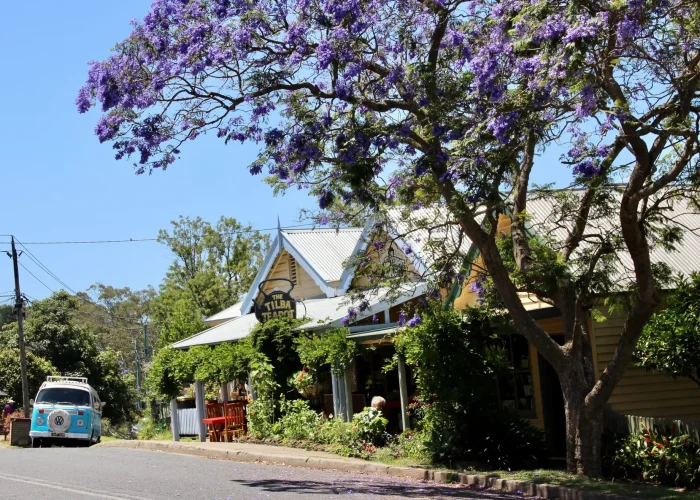
When it comes to culture and lifestyle, New South Wales is exceptionally broad and varied. That’s largely due to the many nationalities that have made this state their home. While coastal towns can feel lively and busy in the summer months, the less densely populated inland regions are known for a more relaxed outback charm.
Sports
NSW has many sporting traditions. Many people in NSW follow the National Rugby League (NRL), where a strong rivalry is held with northern neighbour Queensland. Once per year the two states compete in the NRL State of Origin to find out which state produces the best NRL players. NSW also participates in Australian Rules Football. Its many residents enjoy a broad range of sporting pastimes including golf, lawn bowls, netball, cricket, and field hockey. Like many parts of Australia, sport is cherished.
Cuisine
New South Wales cuisine is strongly shaped by international influences. The most traditional classic pub meal you’ll find is a simple steak or schnitzel — served either with mash and steamed vegetables, or hot chips and salad, plus a sauce of your choice. British influence also makes fish and chips a long-standing staple. A strong Middle Eastern influence means you’ll find a kebab shop in almost every town. Across NSW — in both cities and regional areas — you’ll also find plenty of Chinese, Indian, Vietnamese and Korean restaurants.
Beverages
New South Wales is an important wine-growing region in Australia. You’ll find not only large producers exporting internationally, but also many boutique wineries in the rolling hills of the Hunter, Mudgee and Orange regions. NSW is also home to Tooheys, one of the country’s most popular lagers.
Cost of Living
Sydney offers excellent earning potential and strong job opportunities, with the highest wage levels in the country. As a result, the cost of living — especially within Sydney — is significantly higher than in other parts of New South Wales. Newcastle in the north and Wollongong in the south also offer competitive wages, often alongside more affordable housing.
As in other parts of Australia, property prices in New South Wales have risen in recent years. In October 2022, the average purchase price for a house in Sydney was around A$1,400,000, with apartments averaging around A$700,000. Outside Sydney, prices are generally lower, though differences can be significant between regions. In some parts of NSW, houses can be found for around A$300,000 — while prices in Sydney-adjacent cities such as Newcastle and Wollongong can be considerably higher.
Main Places of Interest
The state of NSW is home to many amazing landmarks and natural formations that are a must-see for any resident or tourist. There is no shortage of things to see and do in NSW.
Sydney’s Many Things to Do
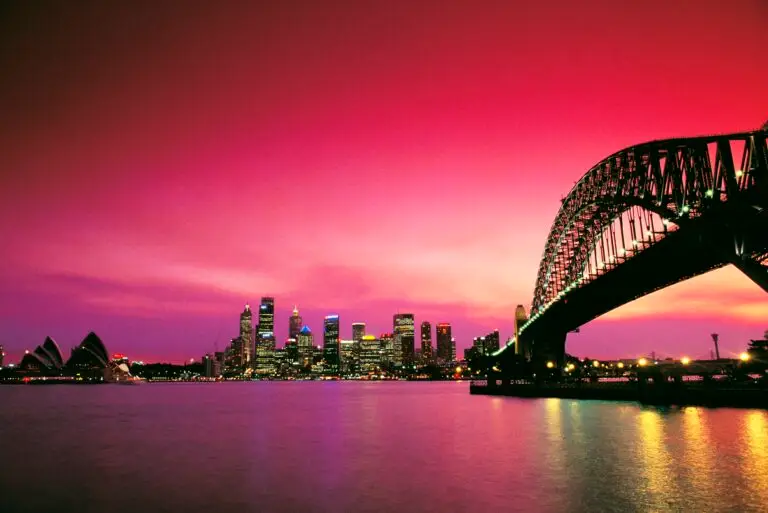
The city of Sydney is more than just the largest city, it is packed with activities for both day and night. With two casinos, multiple contemporary and historical landmarks, and cultural offerings across the city, it is a place where weeks could be spent while still discovering new areas. The Opera House and Harbour Bridge are both incredible to see by day or night. Sydney’s nightlife also has much to offer, with plenty of shows and festivals at any time of the year.
Lithgow
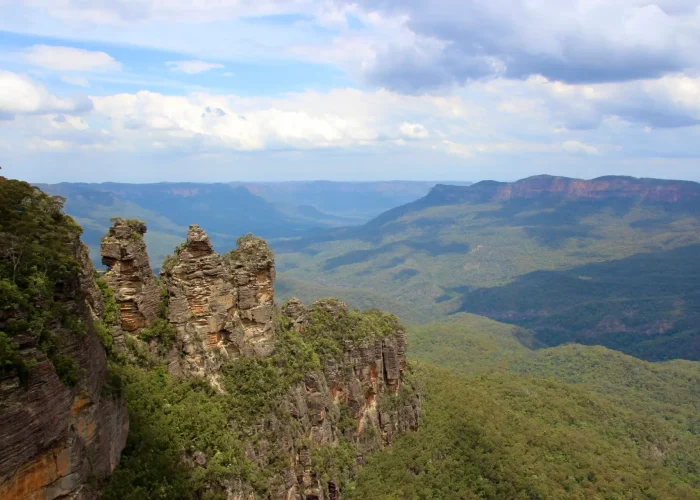
Historic Lithgow is located just a few hours west of Sydney. Lithgow stands out for its impressive architecture and spectacular surroundings. The area features natural attractions such as the Three Sisters and the Jenolan Caves. The heritage-listed Zig Zag Railway is a remarkable engineering achievement, and there are also plenty of walking tracks and winding drives to explore in the region.
Coffs Harbour
On the North Coast of New South Wales lies the coastal city of Coffs Harbour, home to the well-known landmark and tourist attraction, the Big Banana. Coffs Harbour was originally known for its banana plantations, and today it’s a great destination for families, with activities such as fishing, swimming with dolphins, or visiting the nearby town of Dorrigo — an arts and culture hub south of Coffs Harbour.
Sydney or Dubbo Taronga Zoo
Both Sydney City and the regional city of Dubbo are home to Taronga Zoo. As well as being Australia’s main zoo attraction with giraffes, elephants, lions, tigers, and a broad range of other animals, both zoos provide the opportunity to sleep at the zoo to enjoy the sounds of the African savanna. It may not be the most Australian thing to do in Australia, but it’s still exciting.
Main Industries
The bulk of the industry in NSW is based around the city of Sydney being a hub for the Australasian market and Australia as a whole. There is also some strength in the regional areas of NSW.
Financial and Insurance Services
Having financial and administrative dominance in Australia, the banking and financial services sector is a major part of Sydney’s economic strength, and therefore a major industry for NSW. This means a high need for a broad range of skills including accounting, marketing, human resource management, and administration, just to name a few.
Science and Technology
With many of Australia’s leading universities based in New South Wales, science and technology make a major contribution to the economy. Several NSW universities are internationally recognised for engineering. This makes New South Wales an important hub for technology development — particularly in fields such as mining and energy production.
Manufacturing
There continue to be many parts of NSW that show strength in manufacturing and production, especially with the desire for Australian steel in the Asian markets. NSW continues to exercise dominance in this industry.
Agriculture
Agriculture continues to be a strong part of the NSW economy, with a large amount of wheat and cotton being produced, especially for the export market. NSW is also known for livestock farming producing export-quality beef, as well as dairy and lamb’s wool.
Education
NSW provides education in both state and private schools up until year twelve. From a tertiary perspective, there is plenty of opportunity to learn hands-on trades in the many TAFE and technical colleges. NSW is also home to some of the leading Australian universities, especially when it comes to the engineering disciplines.
Fun Facts about NSW
- NSW originally included the entire eastern coast of Australia. Victoria separated in 1851 and Queensland in 1859.
- The Sydney Harbour Bridge opened in 1932 was built over eight years by 1400 workers. It now holds eight lanes of traffic and two train lines.
- NSW is the birthplace of many Australian actors including Hugh Jackman, Nicole Kidman, Rebel Wilson, Rose Byrne, and Toni Collette.
- The state has the longest border in Australia at 4,635km.
- The Sydney Opera House has one million tiles covering its roof.
Top Five Reasons to Live in NSW
- Diversity. In NSW, you can experience almost any culture.
- Regional Economy. NSW has one of the strongest regional economies in all of Australia.
- Laid back. Especially regional NSW is known for its laid back and relaxed attitude.
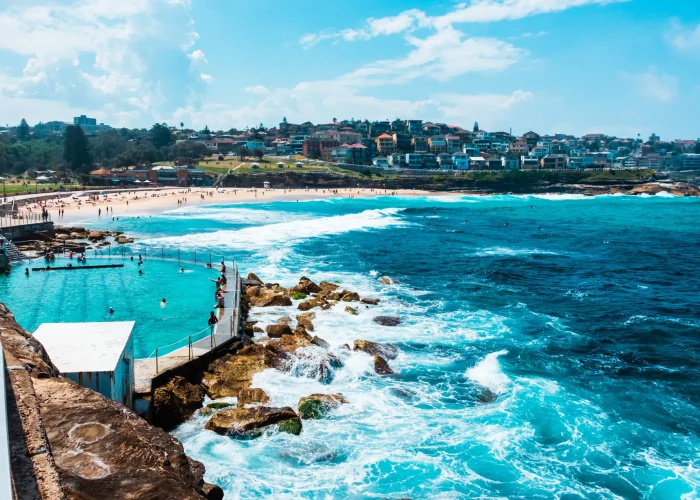
- Beaches. Whether surfing, swimming, or fishing NSW is known for some of the safest and most exciting beaches in the country.
- Pay. Across the board NSW is recognised as having a higher average pay compared to other states.
Closing Thoughts
New South Wales represents a diverse lifestyle and, for many, the essence of the Australian way of life. As the most populous state, it also offers excellent employment opportunities. And beyond work, there is no shortage of varied leisure options. NSW has a temperate climate, offering a cooler contrast to Australia’s famous heat. All in all, New South Wales stands for a high quality of life — which is why it sits at the top of the list for many people planning to move to Australia.
Visa options for New South Wales
In terms of skilled migration visas, New South Wales offers several pathways. The entire NSW region outside the Sydney metropolitan area is considered “regional”, including Wollongong and Newcastle. This means you can settle there using one of the regional visa subclasses. You can find general information about Australian skilled migration visas here.
In addition, some regions in New South Wales also have a DAMA agreement in place. This gives potential migrants with occupations that do not appear on the standard Australian skilled occupation lists a pathway to an employer-sponsored visa. You can find more information about DAMA in our blog article.
What can the visa pathway look like?
There are different ways to make the dream of living and working in Australia a reality. The key is choosing the strategy that brings you closest to your goal — meaning the visa option that provides the strongest prospects in your individual circumstances. Each visa subclass has its own requirements and comes with specific rights and conditions.
The best approach will depend entirely on your personal situation.
That’s why it’s essential to approach your Australian visa pathway in a structured way and clarify the key requirements in advance, to avoid complications during the application process. Visapath Australia is here to help you map out your personalised pathway to an Australian work visa. We advise you on the different options and support you step by step along the way.
