

Queensland is known as the Sunshine State. Its tropical and subtropical climate means that, on average, Queenslanders enjoy around eight hours of sunshine a day, sometimes with cooler afternoon storms. The state offers an incredible range of natural and man-made attractions and is home to many national parks and World Heritage-listed sites. Its diverse economy also creates a wide range of employment opportunities. In many ways, Queensland is a relaxed, feel-good place to live. People from all over the world come here for holidays — or to make Queensland their home.
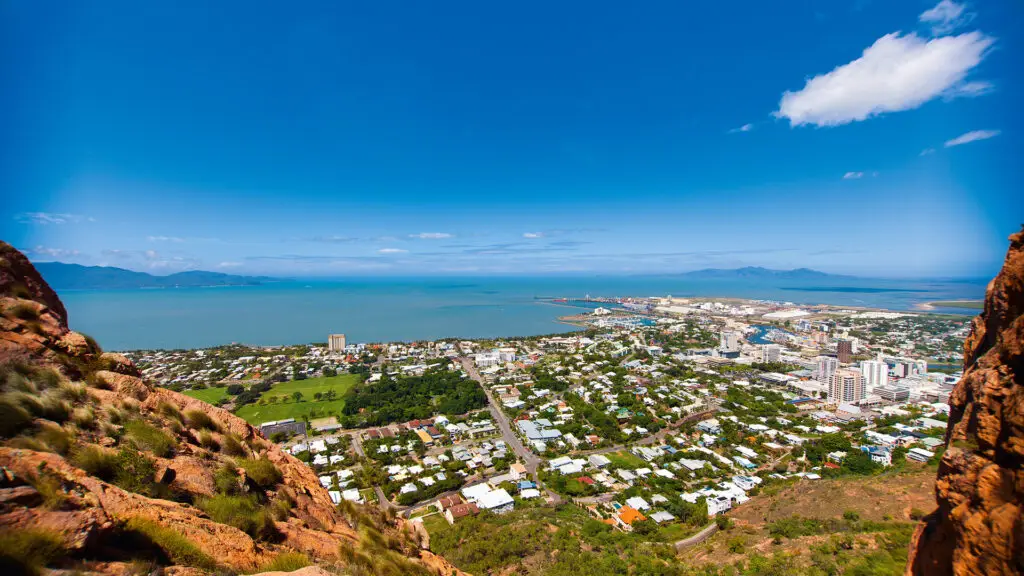
Queensland at a glance
Queensland is home to just under one-fifth of Australians. The state is rich in flora and fauna and is home to some of the world’s most unique plant and animal species.
Population
Queensland is home to just over five million people. Around 2.3 million live in the state capital, Brisbane. The Gold Coast is also one of Australia’s fastest-growing regions outside a capital city, with population growth of around 1.5% per year. Queensland is known for its cultural diversity, with people working across a broad range of industries.
Main Regions
Queensland isn’t one-size-fits-all — the state includes a number of very different regions. Here is a quick overview of some of the most popular areas and what they are known for.
Brisbane
Brisbane is one of Australia’s fastest-growing capital cities and one of the country’s largest urban centres. It sits on a winding river that divides the city in two. Brisbane has a number of pedestrian mall-style streets and precincts lined with restaurants and cafés — a great place to enjoy a meal or a drink on a sunny summer day.
Gold Coast
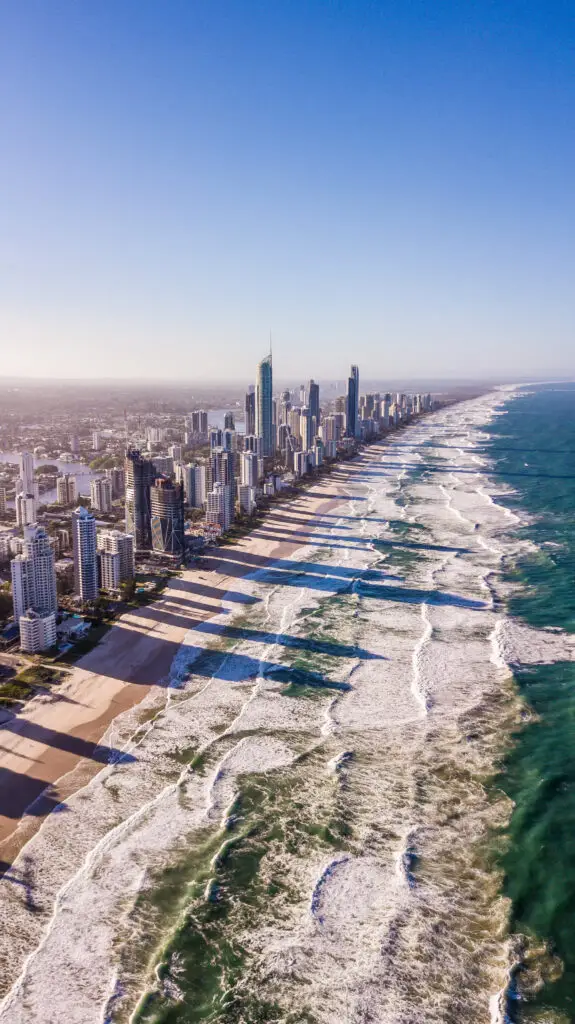
Just south of Brisbane, the Gold Coast stretches along 57 kilometres of coastline. This tourist hotspot is often home to major events. Surfers enjoy its many beaches, and families on holiday visit the theme parks in the area. The Gold Coast enjoys around 300 sunny days per year.
Sunshine Coast
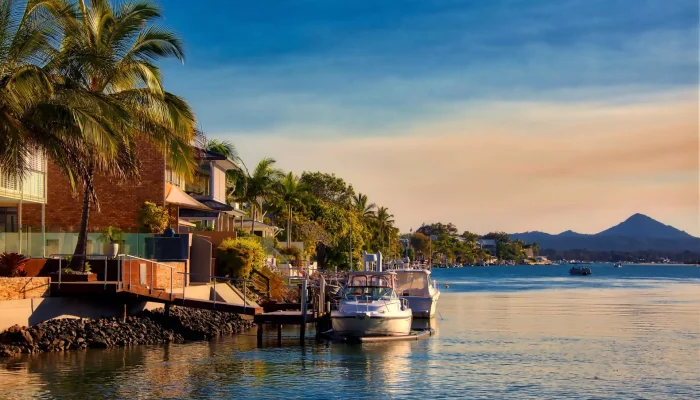
Just north of Brisbane sits the Sunshine Coast, known for its beaches, national parks, resorts and stunning scenery. While the Gold Coast is known for city life and its party scene, the Sunshine Coast is a favourite for outdoor adventurers. This region is also home to Australia Zoo, made famous by the late Steve Irwin.
Fraser Coast
This part of Queensland is also known for its beautiful beaches. The Fraser Coast is where you will find Fraser Island, a Heritage-listed area and the world’s largest sand island at 123 kilometres long and 22 kilometres wide. Fraser Island is also known by its Traditional Owner name, K’Gari.
Central and South West Queensland
These regions are shaped by agriculture, mining and industry. The area west of Brisbane is often referred to as Australia’s “salad bowl” and includes some of the country’s most fertile vegetable-growing areas. Cropping and livestock farming are also significant industries here. Mining offers some of Australia’s most lucrative employment opportunities.
North and Far North Queensland
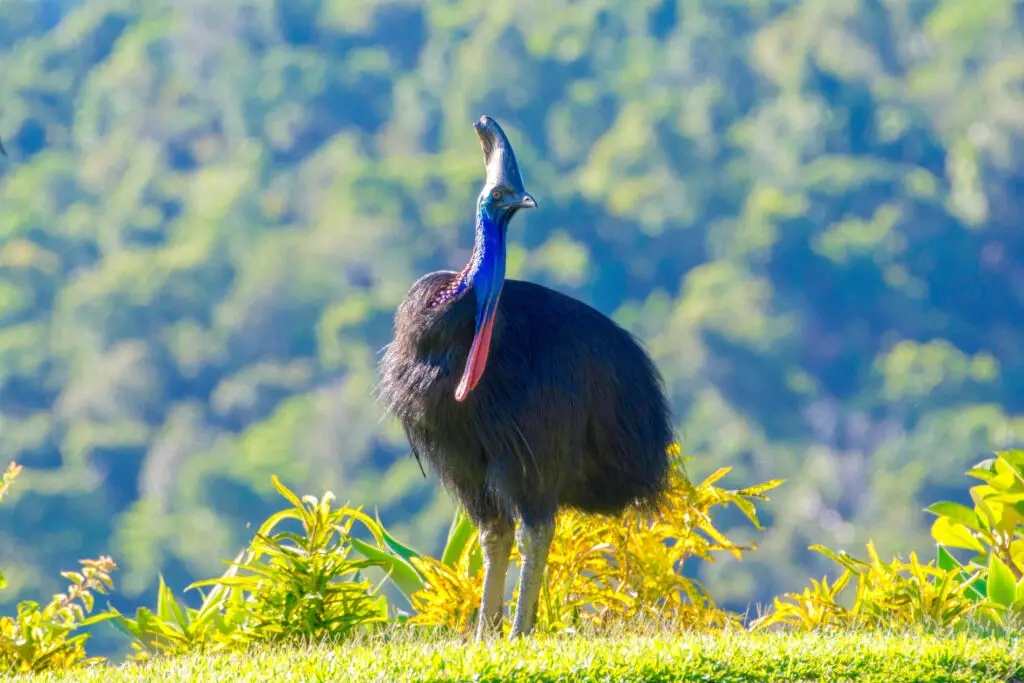
The state’s northern areas are known for lush rainforests and unique wildlife — including crocodiles and cassowaries. This is also home to the Great Barrier Reef, offering excellent opportunities for snorkelling and scuba diving. Year-round warm weather makes northern Queensland a major tourism hotspot.

Climate
Queensland is Australia’s northernmost state and is therefore one of the warmest places to live. The subtropical climate is typically described as a humid, rainy summer with tropical temperatures and regular rainfall, and a drier winter with comfortably warm temperatures. Cold weather is rare — winter in Queensland is generally mild compared to many places around the world.
Lifestyle
Queensland has strong cultural diversity, shaped by people with many different backgrounds and interests who are drawn to the relaxed lifestyle and year-round holiday feel. The warmer climate is one reason many people from Australia’s southern states choose to relocate to Queensland.
Sports
Queenslanders are sports-mad. Golf, touch football and netball are popular pastimes. The state is proud of its National Rugby League (NRL) teams and enjoys the rivalry with neighbouring New South Wales — particularly during the annual State of Origin series.
Cuisine
Seafood is a Queensland favourite, especially along the coast where there is great access to fish, prawns, oysters, lobster and crab. Many Queenslanders also enjoy catching and cooking their own fish. Queensland is also proud of its beef production, making steak another favourite. A classic combination is surf and turf — steak served with prawns. Queensland is also a leader in fruit production, making it a great place to find fresh mangoes, bananas and avocados, often sold at small roadside stalls.
Beverages
The region around Bundaberg is famous for sugarcane, some of which is used to produce Bundaberg Rum. The same company also produces a well-known non-alcoholic ginger beer. A popular beer for Queensland’s hot weather is XXXX Gold, a mid-strength lager that is crisp and refreshing.
Cost of Living
Compared with Sydney, average salaries in Brisbane are slightly lower, while many day-to-day costs are similar. However, housing costs are generally much more affordable in Brisbane than in Sydney. Taking all factors into account, Brisbane can be slightly more affordable overall. Across Queensland, some items may cost a little more than the national average.
Property prices also vary widely across Queensland. For example, at the end of 2020 the average house price in Greater Brisbane was around AUD 600,000, while the Cassowary Coast — south of Cairns — averaged around AUD 250,000. Some of the highest average house prices can be found in Noosa, at around AUD 830,000.

Main Places of Interest
With so many well-known tourism hotspots, Queensland offers plenty to see and do. Some of the main attractions include:
Gold Coast Theme Parks
The theme parks on the Gold Coast are well known across Australia for family fun. They are especially popular during school holidays, but are also visited by locals year-round. The best-known parks include Sea World, Dreamworld, Warner Bros. Movie World and Wet’n’Wild. Sea World is a marine park where visitors can see a range of marine animals. Dreamworld features rides including roller coasters. Movie World offers thrill rides and movie-themed attractions. Wet’n’Wild is known for its water slides and water-based rides — perfect for cooling down in Queensland’s heat.
The Great Barrier Reef
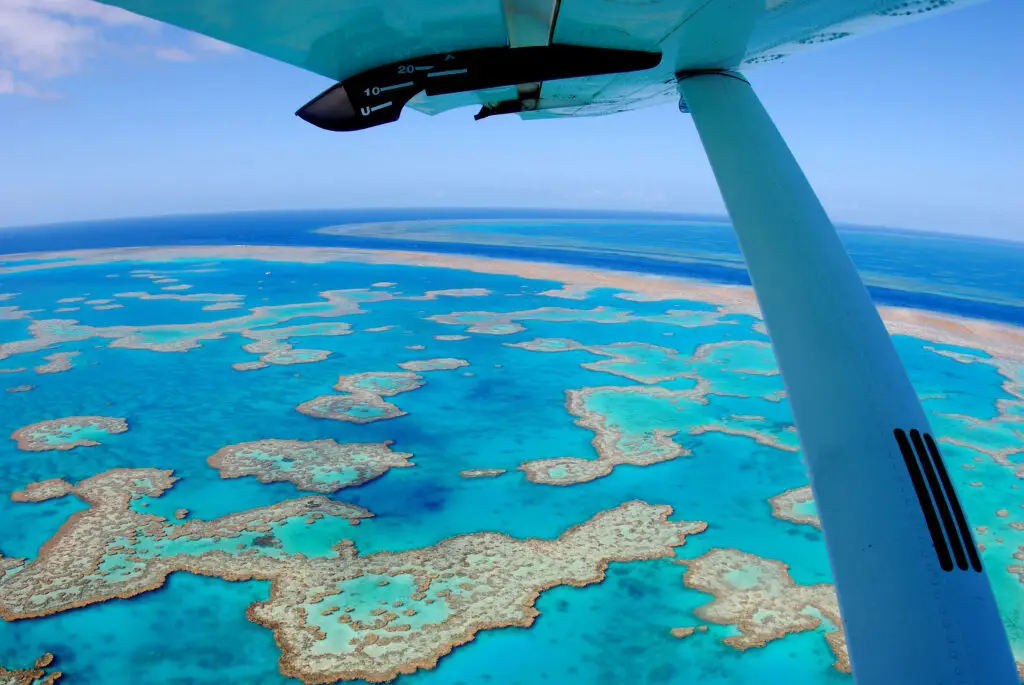
The Great Barrier Reef is a World Heritage-listed coral reef system off the coast of northern Queensland and is often described as one of the world’s natural wonders. Its vast area is ideal for snorkelling and scuba diving, and offers the chance to see not only the reef itself but also the many species that live in this extraordinary ecosystem.
Daintree Rainforest
The Daintree is widely regarded as one of the world’s oldest rainforests and is another World Heritage-listed site in Queensland. The area is extremely diverse and is home to a large share of Australia’s frog and reptile species, butterfly and bat species, and many Australian bird species. While there are dangerous plants and animals in the region, there are many safe ways to experience its natural beauty.
Main Industries
Queensland is rich in natural resources and offers a wide range of industries and employment opportunities. These options vary by region, so it is worth considering your location when thinking about the type of work you want to pursue.
Agriculture and Fisheries
Queensland offers broad opportunities in agriculture across the state. In the south, grain cropping and vegetables are key industries. Livestock farming is widespread across many regions, while fisheries provide opportunities along the coast.
Mining
Queensland is rich in mineral resources. Coal — alongside a range of other resources — is mined here, making mining a major industry.
Tourism
Tourism is a significant part of Queensland’s economy and creates many roles across retail and hospitality. Along the coast there is demand for tour guides, restaurant staff, dive instructors and workers in the many zoos and tourism attractions.
Education
Queensland places a high priority on education. There are almost 1,300 government schools across the state, as well as around 500 Catholic or independent schools. Queensland’s universities are particularly well known for programs in agriculture and engineering. In addition, there are many TAFE locations offering vocational education and training.
Fun Facts about Queensland
-
As the second-largest state, Queensland is seven times larger in area than Great Britain.
-
Queensland has 100 tropical islands, 200 national parks, and five World Heritage-listed sites.
-
XXXX is one of Queensland’s most well-known brands, established in 1877. The Breakfast Creek Hotel (Brisbane) still sells the beer from a wooden keg.
-
If Queensland was its own country, it would be the 8th largest in the world.
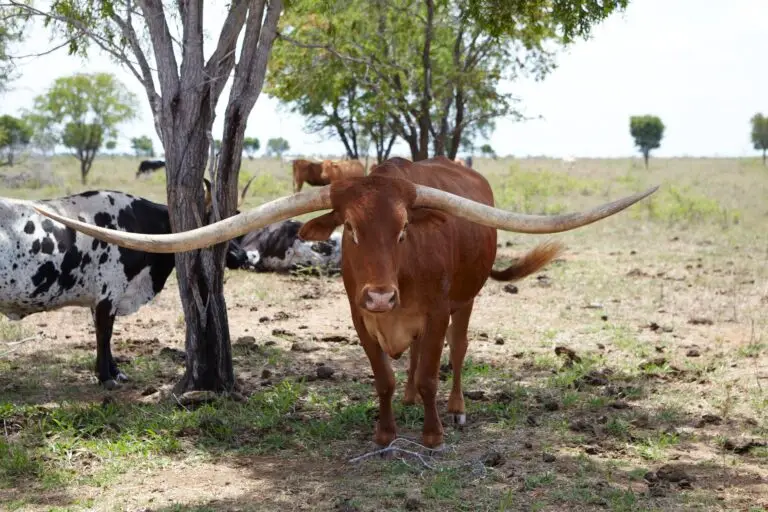
- The Guinness World Record for the Longest-Horned Animal comes from Queensland. A steer named JR had horns that measured 2.77M from tip to tip.
Top Five Reasons to Live in Queensland
- Sunshine: Queensland receives more than eight hours of direct sunlight per day on average.
- Outdoor lifestyle: A broad range of beaches, national parks and outback landscapes to explore.
- Warm climate: Subtropical and tropical conditions mean winter is mild.
- Relaxed lifestyle: Queenslanders are known for the classic Australian “no worries” mindset.
- The food: Pineapple, mangoes, and all of the prawns and steak you can eat if you want to.
Queensland – in Summary
Queensland is the bright, sunny state in the north of Australia. Its climate and outdoor lifestyle offer plenty to do year-round. With strong industries including mining, agriculture and tourism, Queensland also provides a wide range of employment opportunities. For many people, it is a great place to live out the Australian dream.
Visa options for Queensland
Queensland continues to grow — and skilled migration plays a role in that growth. You can find general information on Australian skilled visas here.
One of the Queensland Government’s stated priorities is strengthening “regional areas”, meaning areas outside Brisbane. Notably, for visa purposes almost all of Queensland is classed as “regional”, with the Brisbane metropolitan area being the main exception. This means places such as the Gold Coast or Sunshine Coast may be treated as regional from a migration perspective and may support eligibility for regional visa pathways, depending on the visa subclass and your circumstances.
There is also a DAMA (Designated Area Migration Agreement) in place for the Far North Queensland region. This can provide an employer-sponsored work visa pathway for prospective migrants in occupations that do not otherwise appear on the national skilled occupation lists. You can find more information on the DAMA in our blog article.
What can the visa pathway look like?
There are different ways to turn the dream of living and working in Australia into reality. The key is choosing the strategy that brings you closest to your goal – in other words, the visa option that offers the best prospects in your individual situation. Each visa subclass comes with its own set of requirements and is linked to specific rights and conditions. The best approach will always depend on your personal circumstances.
That is why it is important to approach your Australian visa pathway in a structured way and clarify the key requirements in advance, so you can avoid problems during the application process. Visapath Australia is happy to help you map out your roadmap to an Australian work visa. We advise you on the different options and support you step by step along the way.
