
South Australia may not be Australia’s largest state, but that can be seen as a positive. Even if it may appear somewhat quieter at first compared to more populous states, South Australia has a great deal to offer. South Australians are known for their friendly nature – approachable, respectful of diversity and appreciative of the finer things in life. Australia’s relaxed southern state is rich in culture and home to a range of unique regions waiting to be discovered.
South Australia At a Glance
South Australia, also known as the Festival State, offers a comfortable place to live in terms of population distribution, regional diversity and climate.
Population
Around 1.8 million people live in South Australia, approximately 1.4 million of them in the state capital, Adelaide. The remaining population is largely spread across the southern part of the state. Net population growth in South Australia is approximately one per cent per year. This growth rate contributes to a relatively small and close-knit population.
Main Regions
South Australia is far from uniform – the state includes a number of distinct and, in some cases, very different regions. Below is a brief overview of some of South Australia’s most popular regions and what they are known for.
Adelaide
Adelaide is the state capital and serves as a major transport hub and government centre. Around 77.6 per cent of South Australia’s population lives in Adelaide. Due to the large number of churches built in the area, Adelaide is also known as the City of Churches. Adelaide is one of the few planned capital cities in Australia, which makes navigating and finding your way around the city easier.
Adelaide Hills
The Adelaide Hills extend across the regions south and east of Adelaide. These areas are well known for horticulture and wineries. Unlike many other Australian cities, Adelaide is located very close to agricultural areas. A short drive in almost any direction from the city leads to farmland and vineyards.
Barossa Valley
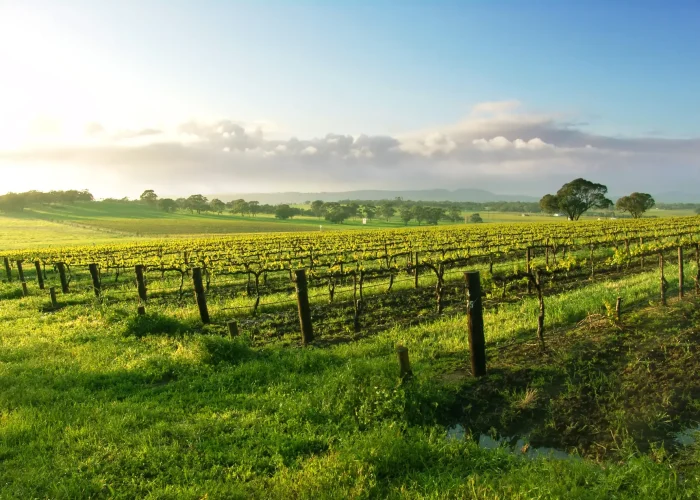
The Barossa Valley is South Australia’s best-known wine region, both nationally and internationally. The region is famous for its iconic Shiraz, which is grown extensively here. The Barossa Valley is a popular tourist destination, known for its outstanding wines and hearty cuisine.
Fleurieu and Kangaroo Island
The Fleurieu Peninsula is a small peninsula located directly south of Adelaide. McLaren Vale and its wineries, located on the peninsula, are also a popular tourist destination. The Fleurieu Peninsula also provides access to Kangaroo Island, an offshore island home to wildlife conservation areas for animals such as koalas and sea lions.
The Yorke and Eyre Peninsula
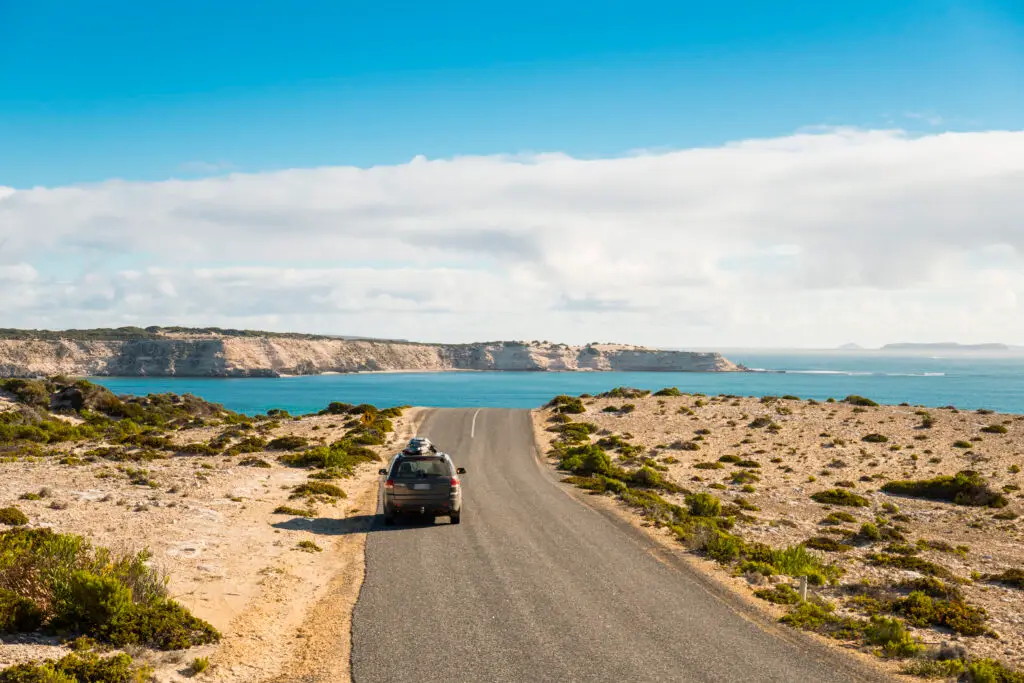
The two peninsulas located to the west of Adelaide are largely used for agricultural purposes. Both the Yorke Peninsula and the Eyre Peninsula are characterised by broadacre farming. The main crops grown include wheat, barley, canola and lentils. Both peninsulas are also home to seaports used for exporting agricultural produce.
Limestone Coast
The Limestone Coast is another popular tourist destination. One of the key industries along the state’s south-eastern coastline is livestock farming, particularly sheep and cattle. As is common throughout much of South Australia, the region is also home to numerous vineyards.

Climate
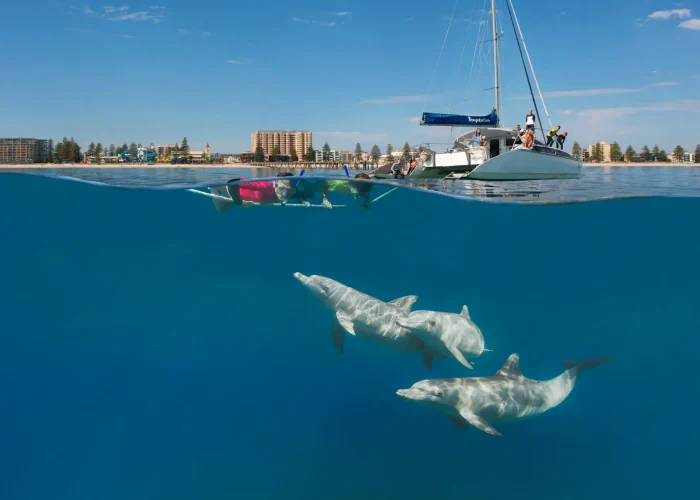
South Australia has a predominantly Mediterranean climate, with warm, dry summers and very mild winters. Its southern location means that temperatures generally do not rise as high as in other parts of Australia. This is also why the southern part of South Australia is more densely populated than the northern part of the state, which includes some of Australia’s driest and most water-scarce regions.
Lifestyle
South Australia has a distinctive cultural atmosphere, making the state a very comfortable place to live and work. While people here are often shaped by more conservative values, everyday life is characterised by openness and a progressive outlook. The culture reflects strong European influences.
Sports
There are two main sports that are followed with great enthusiasm in South Australia: cricket and Australian Rules Football. In both sports, there are strong rivalries between South Australia and its neighbours Western Australia and Victoria. Sport plays an important role in South Australian culture and is often a topic of conversation at social gatherings. This enthusiasm also extends to other sports that are part of Australia’s sporting culture, including netball, field hockey and football (soccer).
Food and Drink
South Australia offers a range of foods strongly influenced by local produce and the state’s European roots. One of the most popular South Australian dishes is the pie floater – a meat pie served in pea soup. German specialities are also well established here, particularly in the town of Hahndorf east of Adelaide. Greek cuisine is also widespread, especially within Adelaide itself. Gyros served in pita bread – locally known as yiros – are available throughout the city. South Australia is home to some of Australia’s most popular wine-growing regions. South Australians are also proud to be home to Coopers Brewery, Australia’s largest independent brewery, located in the heart of Adelaide.
Cost of Living
Average salaries in Adelaide are lower than in Sydney, Australia’s largest city. However, the overall cost of living in Adelaide is significantly lower. Housing costs in Adelaide are around half those in Sydney. Around two-thirds of residents live in owner-occupied homes rather than renting. Many leisure activities are also more affordable, including dining out, going to the cinema and gym memberships.
In 2020, average house prices in Adelaide were around €440,000, while the average price for an apartment in the state capital was approximately €275,000. Outside Adelaide, the average purchase price for a house was even lower, at around €175,000.
Environment
Low population density and natural weather conditions contribute to South Australia’s air quality being significantly better by international standards and even compared to other parts of Australia. Environmental and climate protection are given a high priority in South Australia. The state has committed to transitioning away from fossil fuels towards renewable energy sources before 2030.
Main Places of Interest
South Australia is home to many natural and cultural attractions and has therefore developed into a very popular tourism destination. There are many places across the region to explore.
Flinders Chase National Park, Kangaroo Island
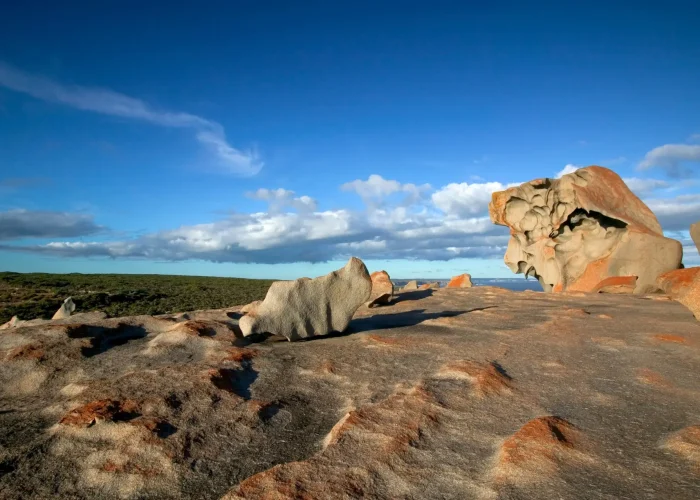
In this national park on Kangaroo Island, visitors can experience the powerful sounds of the ocean from the Great Australian Bight, see Australia’s unique range of flora and fauna, and explore distinctive rock formations. Flinders Chase National Park is a unique conservation area offering numerous bushwalks that provide a glimpse into Australia’s wilderness. Although the region was heavily affected by the 2019/2020 bushfires, the natural environment is recovering quickly and once again offers outstanding experiences.
Wine Regions
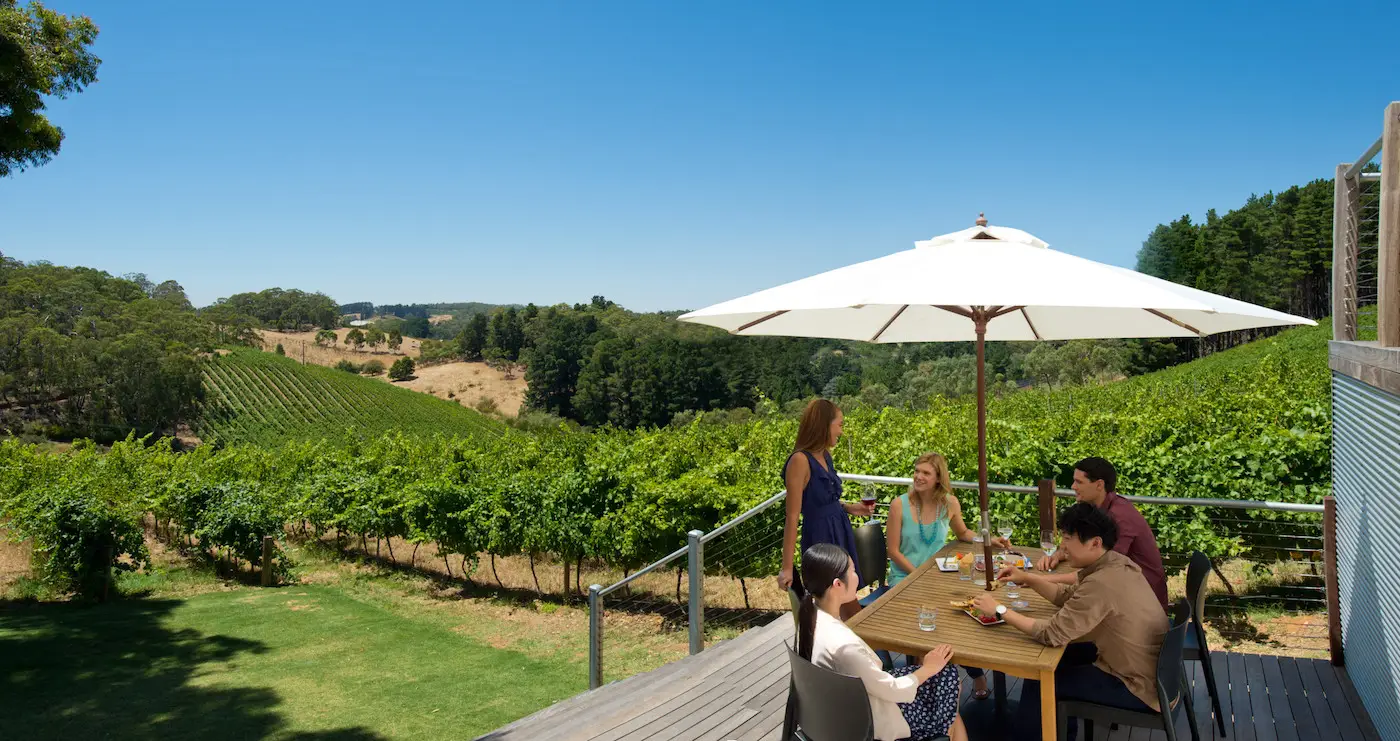
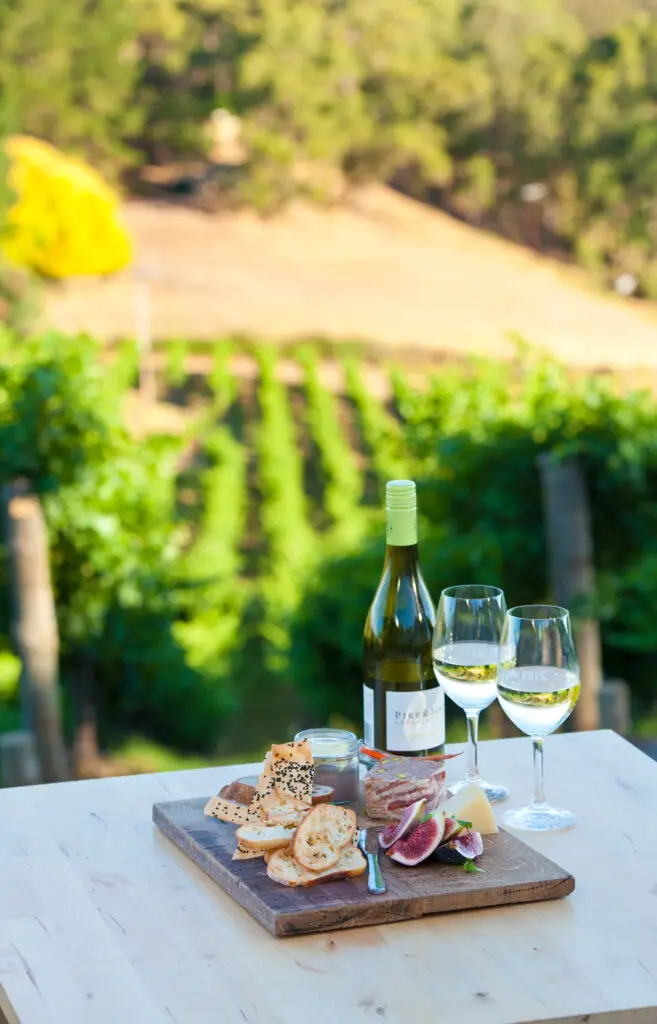
South Australia is well known for its many wine-growing regions. Many parts of the state feature cellar doors where visitors can sample popular South Australian varieties such as Shiraz and Cabernet Sauvignon. Even for non-wine drinkers, the expansive vineyard landscapes provide an ideal setting for relaxed afternoon drives. Wine production has also led to a wide range of small producers of cheese and cured meats, as well as numerous restaurants and cafés.
Adelaide Oval
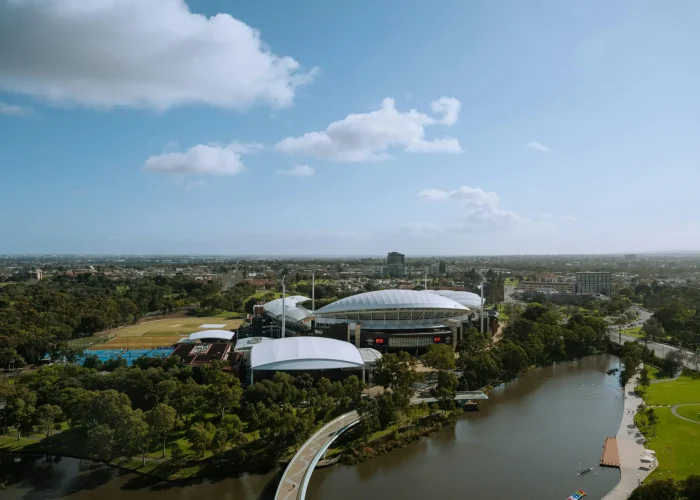
South Australians enjoy attending sporting events, and Adelaide Oval is the primary venue for this popular pastime. Adelaide Oval is the premier destination in Adelaide to watch a game of Australian Rules Football in winter or a cricket match during summer.
Festivals
The Festival State is a title South Australia carries with pride – and for good reason. An abundance of parklands and affordable accommodation options make the state an ideal location for festivals. Throughout the year, there are numerous opportunities to attend festivals and experience the state’s cultural diversity.
Hahndorf
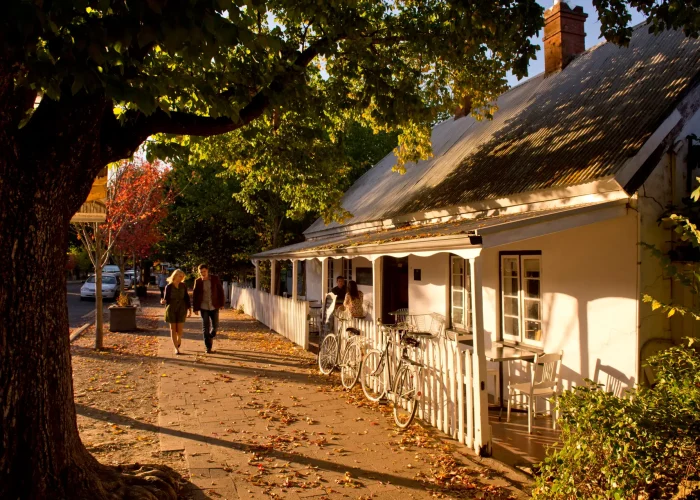
Hahndorf is a small town originally founded by German settlers in 1839, making it the second-oldest German settlement in Australia. With its carefully restored half-timbered buildings, Hahndorf has become a popular day-trip destination, not only for visitors from Germany. The town offers a range of activities to enjoy and is an ideal destination for a weekend trip from Adelaide.
Main Industries
Due to its geographic location, climate and highly centralised population, South Australia offers strong demand for both skilled and unskilled workers across a range of industries, creating broad employment opportunities.
Agriculture and Fisheries
South Australia’s economy is strongly shaped by agriculture, including broadacre cropping, horticulture, livestock farming and fisheries. These industries rely on a wide range of skill sets, both for on-farm labour and for domestic and international export activities.
Wine and Tourism
South Australia’s vineyards have developed into a major tourist attraction. This has led to growing demand for skilled winemakers as well as workers in hospitality, including restaurants and hotels.
Renewable Energy
Renewable energy is a major focus in South Australia, with the state pursuing highly ambitious targets. The state government plans for South Australia’s energy supply to come entirely from renewable sources by 2030 at the latest. The development of large-scale solar and wind farms, as well as extensive battery storage systems across the state, is creating numerous employment opportunities for a range of skilled professions.
Technology
In recent years, the South Australian Government has launched a range of initiatives to significantly expand the technology sector and increase the state’s attractiveness for technology-focused businesses. Particularly across Greater Adelaide, an active business ecosystem has emerged across a wide range of technology fields.
Education
South Australia is home to some of Australia’s leading educational institutions. Adelaide hosts a wide range of private schools, universities, private colleges and vocational institutions. The state also takes pride in having one of the most diverse public education systems in the country.
Fun Facts about South Australia
-
Adelaide is known as the 20-minute city. Most parts of the city can be reached within 20 minutes.
-
The majority of South Australians have English, Australian, Scottish, Irish or German ancestry.
-
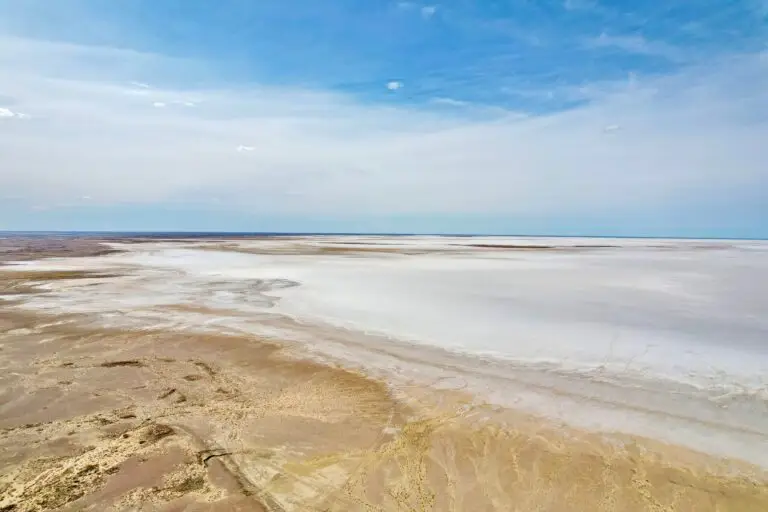
Lake Eyre, located in South Australia’s outback, is the world’s largest salt lake, although it is usually a dry salt desert.
-
South Australia is the only state that shares a border with all mainland states, including the Northern Territory.
-
The Royal Adelaide Hospital is the third most expensive building ever constructed and the largest building in Australia by floor area.
Top Five Reasons to Live in South Australia
- Great food. South Australia produces some of Australia’s best-quality food, which is often turned into outstanding cuisine.
- Affordable living. South Australia is one of the most cost-effective regions in Australia for those wanting to achieve the Australian dream of home ownership.
- Climate. South Australia offers one of Australia’s most comfortable climates, with summers and winters that are less extreme than in other parts of the country.
- The Friendly State. South Australians are among the most welcoming and tolerant people in the country.
- Wine. South Australia is renowned for its wine regions, making it an ideal place for wine lovers.
Closing Thoughts
If you are looking to live somewhere that is both comfortable and affordable while offering a rich cultural environment, the Festival State should be high on your list. South Australia offers a diverse, relaxed and intellectually engaging atmosphere. Its less extreme climate further contributes to a comfortable lifestyle. South Australia represents progress and sustainability while remaining a centre of agricultural production, vineyards and natural wonders.
Visa options for South Australia
South Australia is one of the most migration-friendly states in Australia. For example, relative to its population size, it issues a comparatively high number of nominations for visa subclasses that require state nomination. You can find general information on Australian skilled visas here.
South Australia’s DAMA agreements are another key advantage, as they provide visa pathways for prospective migrants whose occupations do not otherwise appear on the Australian skills lists. In addition, both DAMA agreements offer very generous provisions for obtaining permanent residency. While the usual age limit for permanent visas is 44 at the time of application, the DAMA framework allows permanent visa applications up to the age of 50 – and in some occupations even up to 55. You can find more information about the South Australia DAMA in our blog article.
Another unique feature is the New Entrepreneur Visa, which exists in this form only in South Australia. This visa allows founders with innovative business models in designated target sectors to apply for an initial temporary visa in order to implement their business model in South Australia.
