
There is a little island to the south of mainland Australia. Loved by locals and well-known for being an escape from the mainland, Tasmania is unique. The state offers something for both natural beauty and amazement, while also being a blossoming hub of cultural and artistic development. It is also home to some of Australia’s finest food and wine produce, flora and fauna, breathtaking landscapes, and friendly people. The island of Tasmania is an island of opportunity and reinvention. Its tradition of isolation from the mainland has only made it develop into its own unique parcel; enjoyed by independent and renegade treasures of humankind.

Tasmania At a Glance
Tasmania is the small and humble island to the south of the eastern side of the Australian continental mainland. Its population spread across the island, are some of the most wholesome people that one can come across in Australia.
Population
Tasmania is the smallest state as far as population goes. The state has a little over half of a million happy residents. Tasmania still has a larger population than both the Northern Territory (NT) and the Australian Capital Territory (ACT), both of which are not states but territories. Tasmania does have the fourth largest population density, third if the ACT is not included.
Main Regions
The following are some of the more popular regions of Tasmania, and for what the area is most commonly known.
Hobart and Surrounds
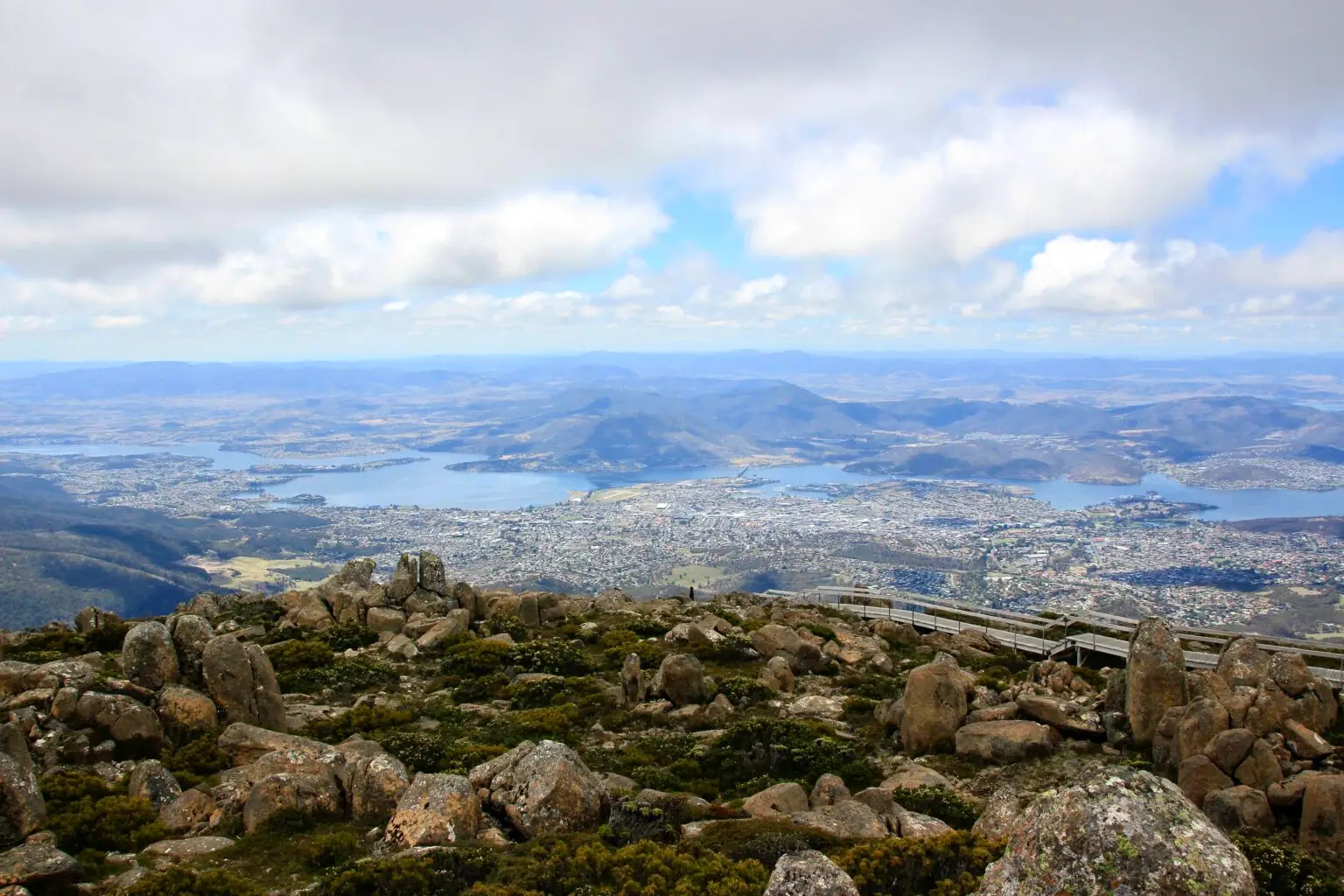
The state capital and largest city is home to 220,000 people. Hobart in other states would be counted as a regional town. This small city has reinvented itself though, transforming from a sleepy seaside village to a contemporary destination for alternative thinkers and progressive culture. Hobart is a destination for millennials wishing to escape the high cost of living associated with mainland Australia.
Launceston and North Coast
Launceston is the smaller and slightly warmer city in the north of the island. The northern region is filled with many opportunities for things to do, such as enjoying the rugged coastal landscape, visiting the many heritage towns, lengthy bushwalks, or enjoying the Tamar Valley wine region. The north coast is where Davenport is, where the Spirit of Tasmania docks; the ship that connects Tasmania with continental Australia if you drive by car.
West Coast
Tasmania’s west coast hinterland is spotted with bespoke mining towns and ports from Australia’s early settlement. The west coast brings many opportunities to enjoy nature by both walking and four wheel driving. There are also plenty of opportunities to enjoy the historic and cultural side of Tasmania. The region is filled with quaint charm and natural wonder.
East Coast
The east coast is a place of mountainous terrain, wonders of flora and fauna, and plenty to see and do. This part of the state is where Hobart is situated. The cooler climate is known for producing cool-climate wines, and plenty of fresh produce including nuts, berries, seafood, and some of Australia’s best cheeses.
Climate
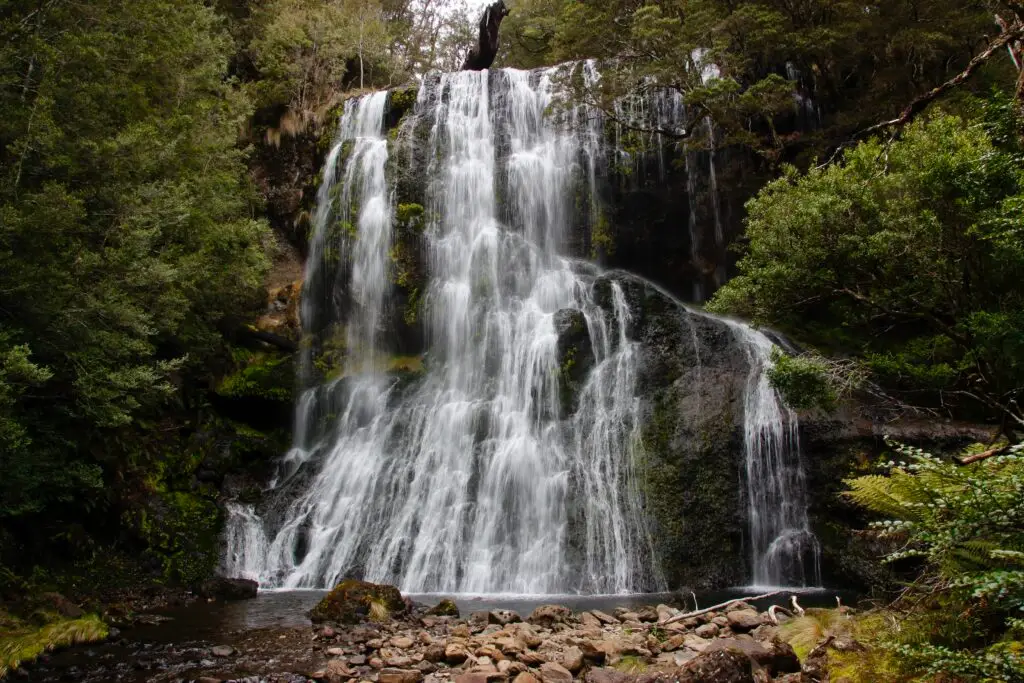
Tasmania is the literally the coolest place to live in Australia. It is closest to the arctic and enjoys mild, rainy winters with cool, comfortable summers. Rainfall is frequent throughout the year, making it less prone to drought compared to the continental Australian states. It is heavily influenced by the arctic air, but rarely gets snow except for on Mount Wellington.
Lifestyle
Tasmania is an island of extremes. It is disconnected from continental Australia giving the feeling of separation from the nation but Tasmanians are a friendly and welcoming people who have tight-knit communities. Its culture is based on the historic need for survival and camaraderie in these remote areas.
Sports
Nearly all of Australia refers to football as a game associated with an oblong ball that is ironically carried with the hands. Not Tasmania though; Tasmania’s favourite sporting pastime is football, as in what most Australians and North Americans call soccer. It is the state’s most popular sport. There is also plenty of availability for more adventurous water sports in Tasmania such as rafting through the wild Tasman rivers.
Cuisine
Tasmania is known for some of Australia’s premier food production, including fruits, nuts, dairy, livestock, mushrooms, and some of the best seafood in the country. Tasmanian smoked salmon is a staple of supermarket shelves across Australia, and the many fisheries on coastal Tasmania are well stocked with Tasman oysters. The dairy industry is well-known for producing soft cheeses, and Tasmanian apples are second to none. Some of the dishes more unique to Tasmania include a scallop pie; pie that is filled with the sea creature and served hot. Flinders Island lamb, or pork that is cooked in either cherries or apple are also dishes popular across the state.
Beverages
Tasmania has plenty of wineries that specialise in cool-climate sauvignon blanc, pinot noir, and some of the best sparkling that Australia produces. The state has also become popular in more modern times for making high-quality Australian whisky enjoyed by aficionados around the world. The Cascade Brewery is also well-known across Australia for crisp lagers and ginger beer.
Cost of Living
The cost of living in Hobart compared to Sydney is in Hobart’s favour for affordability. While the wages are higher in Sydney, almost every spending metric in Hobart is more cost efficient in comparison, especially housing which can be 80% cheaper than Sydney. This makes for a lifestyle where the earning potential is not massive but a comfortable living is easy to accomplish. Moving to Tasmania with what is considered moderate wealth elsewhere will make for a more luxurious lifestyle. This is why many younger people are moving to Tasmania from other parts of Australia. It is these conditions that have also made the state a destination for the more artistically inclined.
Flora and Fauna
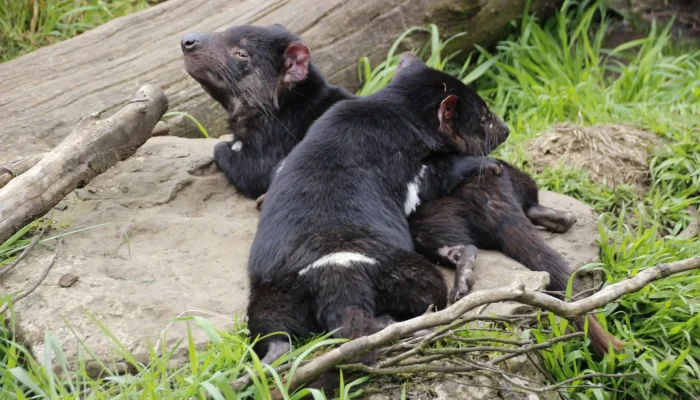
Being separated from mainland Australia has made some wildlife evolve in a different direction from the rest of the country. There are many animal species that are unique to the state, including the endangered Tasmanian Devil, and the Tasmanian Tiger that has been rumoured to be spotted many times even though being long-thought extinct. Tasmania is also home to many species of platypus and penguin, and a wide variety of plants. From a seaside perspective, it also offers the opportunity to catch a glimpse of whales and dolphins as they migrate during the year.
Main Places of Interest
There are many places to visit in Tasmania to enjoy the natural and human-made wonders, the following are a few of the must-see places on the island.
Salamanca Place, Hobart
Built out of sandstone in the nineteenth century, these incredible buildings were originally warehouses in the middle of Hobart to be used by industry. The modern day has seen this precinct experience a facelift to become a place of leisure, shopping, and dining. The cobblestone street now makes way for alfresco dining, art galleries, and weekend markets. It is a short walk to some of Hobart’s best seafood fresh from the docks.
Mount Wellington
Known as Kunanyi by the traditional and rightful land owners, Mount Wellington near Hobart provides a stunning 360 degree view from its summit after a 21 kilometer mountain road gets you to that location. The mountain itself is a popular destination for bushwalking, mountain biking, and occasionally enjoying the snow that sometimes powders the peak. Its views at 1,270 metres above sea level are breathtaking.
Three Capes Track
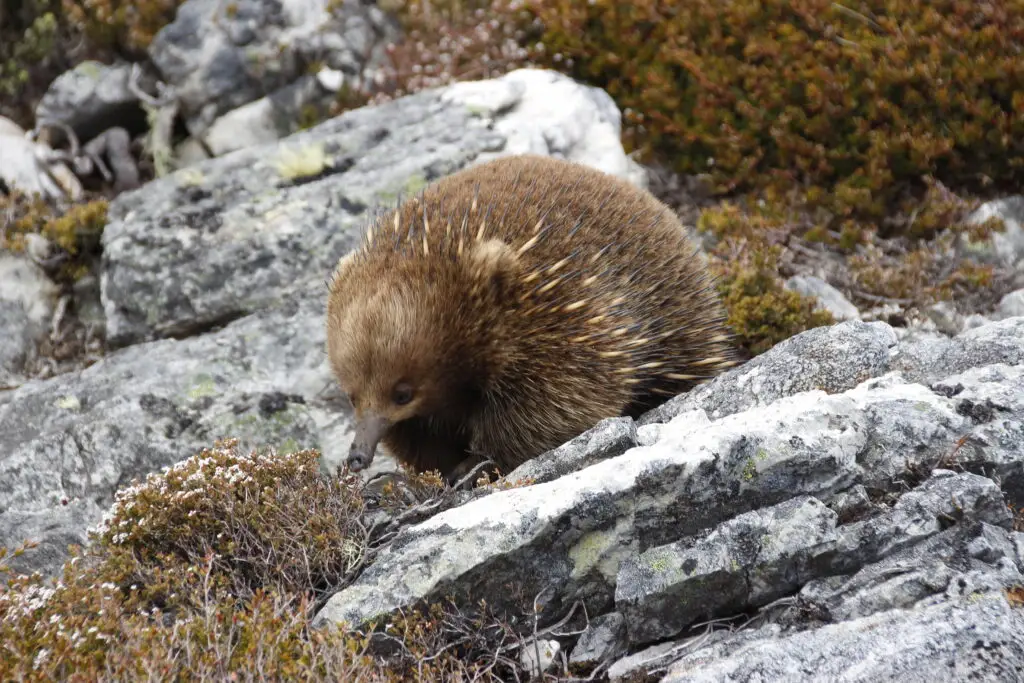
This 48 kilometer track skirts the seaside cliffs in the Port Arthur area. You can hike the full length over four days and three nights. It is suitable for any level of hiking skill and can be enjoyed year-round as long as you pack for the colder months if required. The track offers many opportunities to see some of Tasmania’s amazing wildlife including wombats, echidnas, and wallabies as you hike through pristine eucalyptus forests.
MONA
The Museum of Old and New Art (MONA) can be accessed by a thirty minute ferry ride that takes you directly to the front doors. Once entering, visitors descend a spiral staircase to enjoy a subterranean museum filled with thought-provoking art of the modern age and antiquities from a former era.
Tamar Valley Wine Region
The Tamar Valley Wine Region is ranked by some as the top ten in the world. Famous for cool-climate Cabernet Sauvignon and Pinot Noir, over thirty cellar doors offer the experience of Tasman wine in the island’s oldest wine region. The wines are best enjoyed with some produce from Launceston’s farmers market.
Main Industries
With its geography, climate, and highly centralised population, South Australia is home to many industries that are in high demand for both skilled and unskilled workers.
Metals and Manufacturing
Copper, zinc, an aluminium are all mined and processed in Tasmania. These materials are exported both processed and unprocessed. Manufacturing also has some prominence in Tasmania, especially when it comes to marine goods and textiles. As much as the state of Tasmania has become an artistic hub, the industrial origins of the state still lift the economy.
Tourism
The natural wonders of Tasmania have always been enjoyed by tourists both domestic and internationally. The small island to the south of Australia generates intrigue with many visitors, and the lush and fertile landscape offers a desirable escape. With the contemporary development of Hobart and the popularity of Tasmania’s food and beverages, the state has become more popular for tourism over time.
Wood and Paper
Being a source of reliable rainfall and ideal conditions for growth, Tasmania’s interior has become ideal for the production of both timber and paper. Approximately half of Australian wood chip and paper production originates in Tasmania. The industry also produces laminated veneers and particle boards.
Agriculture and Fisheries
The wild fisheries of Tasmania produce abalone, lobster, oysters, and salmon in high demand through most of Australia. The Tasman countryside produces some excellent grass-fed beef for export, in high demand for purists since Tasmania is the only state that strictly legislates against the use of growth hormones in meat. Tasman cheese is also in high demand.
Education
Tasmania has a combination of state and private primary and secondary schools. School attendance is compulsory until year 10 (when children are typically 16 years old). Years eleven and twelve are attended by most students these days, but there is also a broad offering for tertiary education in trade colleges. The state is home to one university; The University of Tasmania that boasts the whole island is the campus. Tasmania is used as a base for antarctic exploration thanks to the proximity to the southern neighbour.
Fun Facts about Tasmania
- Rosebury on the west coast of Tasmania has Australia’s steepest golf course.
- Tasmania is said to have the world’s cleanest air, monitored by the Cape Grim weather station.
- Despite being one of the wettest states in Australia, Hobart is actually the second driest capital city for rainfall.
- Tasmania is home to the Huon Pine, one of the world’s oldest species of tree in existence for circa 10,500 years.
- The Tasmanian Devil, native to Tasmania, is the world’s largest carnivorous marsupial. It is at risk of extinction thanks to being plagued by a facial tumor disease.
Top Five Reasons to Live in Tasmania
- Cost of Living. Tasmania is one of the most affordable places to live in Australia, potentially providing a relaxed lifestyle.
- Food and Wine. Tasmania is home to some of the best seafood and beef in the world, as well as cheese and produce, with excellent cold-climate wine.
- Island Living. It takes only hours to drive from one side of the island to the other. Everything is so close together, making for excellent day trips.
- Climate. Enjoy that Australian laid-back and easy-going lifestyle, without the heat of continental Australia.
- Housing Market. With affordability quite often comes an excellent opportunity for investment, with Australia’s fastest-growing housing market.
Closing Thoughts
That little island to the south of Australia is filled with wonder, imagination, and creativity. Tasmania was once upon a time the subject of amusement when it came to the prospect of living on the island-state. These days, it has become a centre for cultural and artistic renewal, with a thriving food scene and filled with natural beauty. Tasmania is a lush and fertile place, for comfortable living. It has been described by some as a place for self-discovery; to truly get lost in the isolation from mainland Australia and discover one’s reason for being. Tasmania presents an opportunity to fulfill your dreams, whatever they may be.
Visa options for Tasmania
For skilled migration purposes, the whole of Tasmania – including Hobart – is classified as “regional”. This means you can settle anywhere in Tasmania on one of the regional visa subclasses, without restriction. You can find general information on Australian skilled visas here.
What can the visa pathway look like?
There are different ways to make the dream of living and working in Australia a reality. The key is choosing the strategy that brings you closest to your goal – meaning the visa option that offers the best prospects in your individual situation. Each visa subclass has its own requirements and is linked to specific rights and conditions. The best approach will always depend on your personal circumstances.
That is why it is important to approach your Australian visa pathway in a structured way and clarify the key requirements in advance, in order to avoid problems during the application process. Visapath Australia is happy to help you map out your roadmap to an Australian work visa. We advise you on the different options and support you step by step along the way.
