
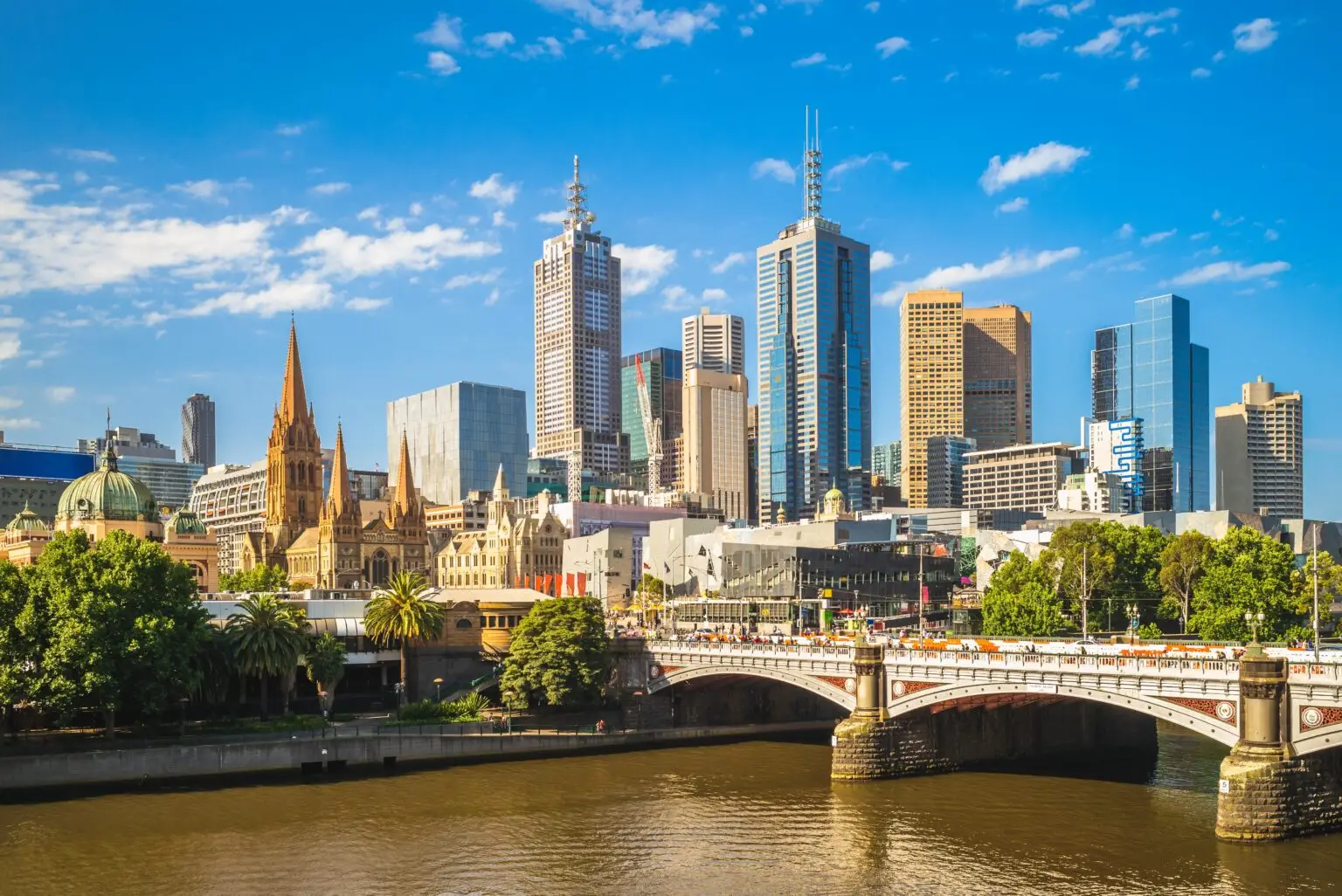
Victoria is Australia’s second most populous state and home to the country’s second-largest city. It is also the fastest-growing state, with its capital Melbourne on track to overtake Sydney as Australia’s largest city.
Victoria at a glance
With a comparatively high population density by Australian standards, Victoria is a cultural hub and home to people from a wide range of backgrounds, bringing together diverse influences in art and traditions.
Population
Victoria is home to approximately 6.7 million people, with around 5.1 million living in Melbourne. This makes Victoria the second most populous state after New South Wales, and the most densely populated state overall. Melbourne has the fastest population growth rate among Australia’s major cities and, according to projections, is expected to overtake Sydney as Australia’s largest city before 2030.
Main Regions
Below is an overview of some of the most popular regions in Victoria and what this Australian state is particularly known for.
Melbourne
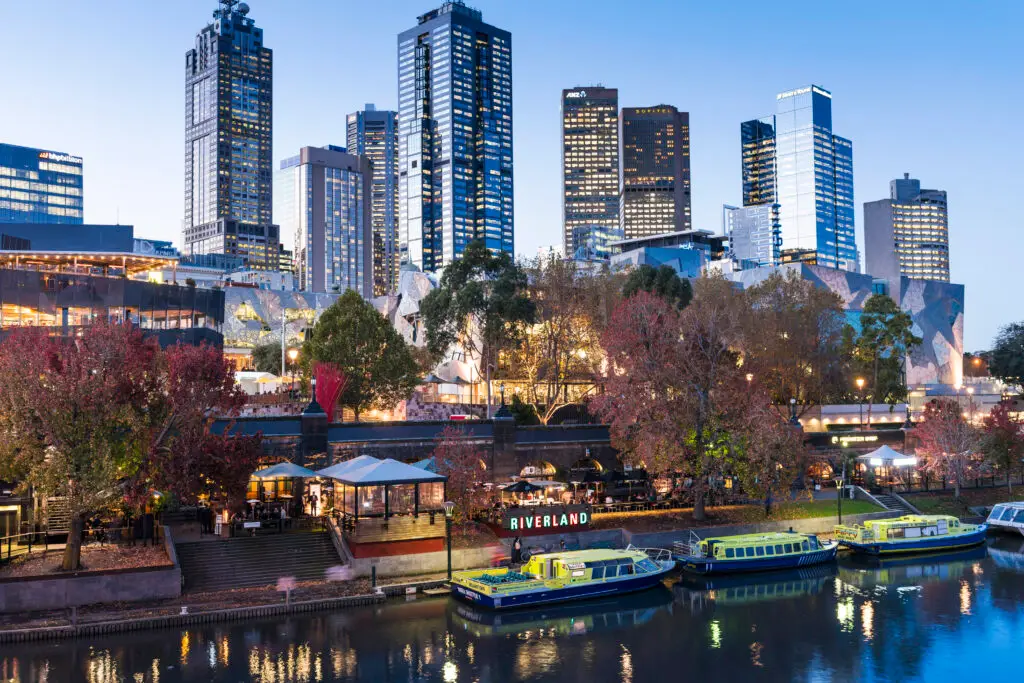
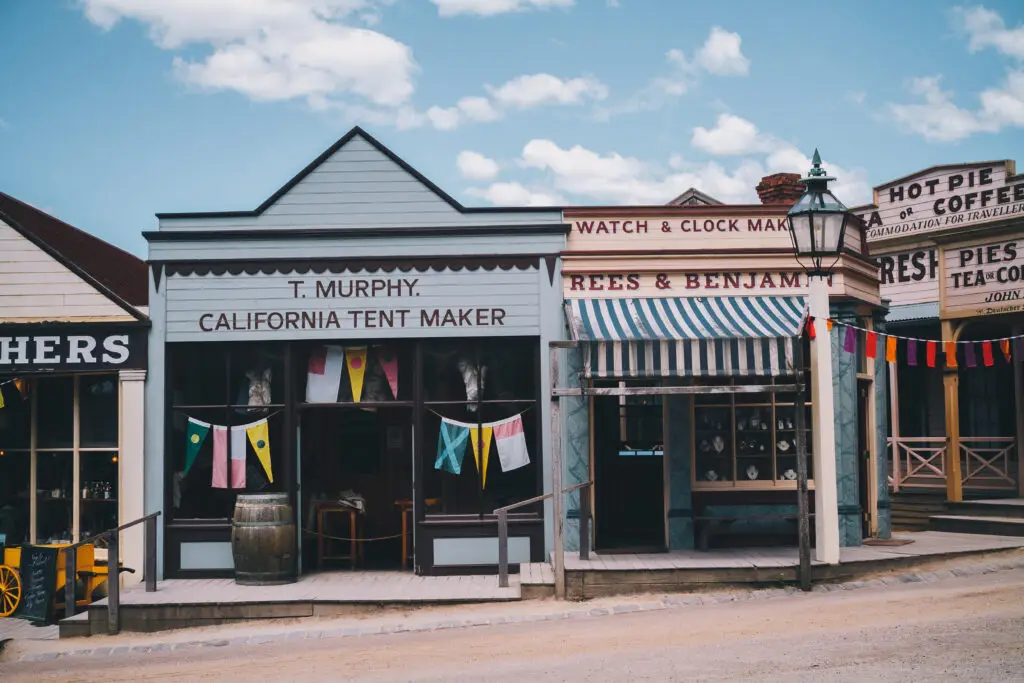
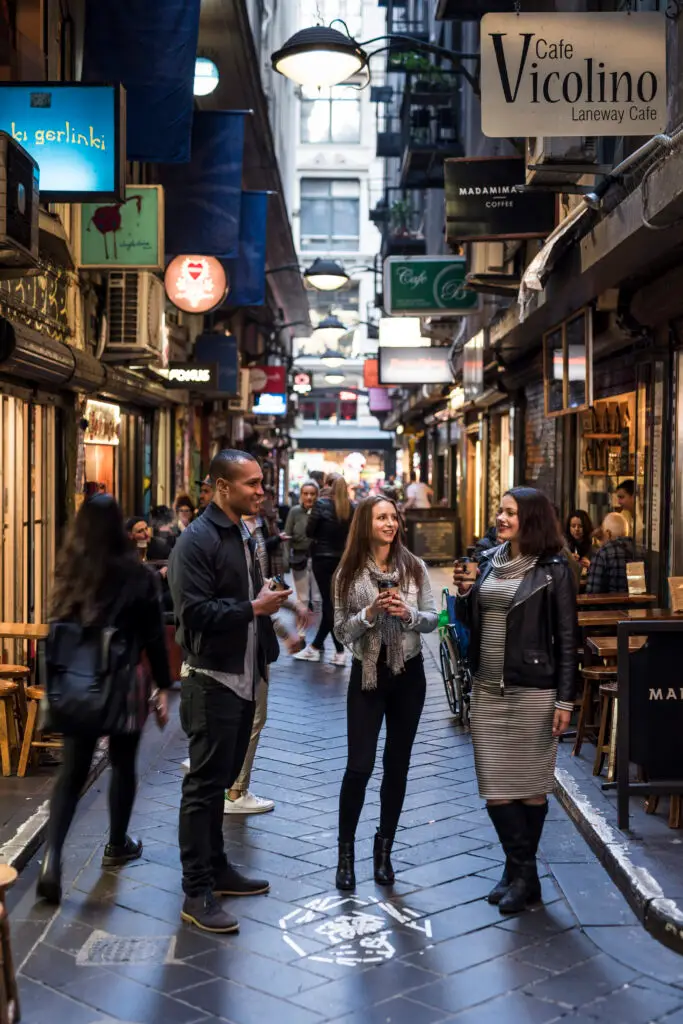
Melbourne is the capital of the state of Victoria and is well known for its diversity. Over many years, the city has repeatedly been ranked as the world’s most liveable city. The grid layout of largely rectangular main streets in the city centre – the Central Business District – makes navigation easy, while the extensive tram network allows for straightforward travel by public transport. Melbourne is also regarded as Australia’s coffee capital. The city owes this reputation to its strong Italian influence and countless small cafés offering a wide variety of coffee styles. The gold rush of the 19th century, which temporarily made Melbourne one of the wealthiest cities in the world, has also left its mark on the city’s architecture. As one of Australia’s older cities, Melbourne’s many winding laneways offer constant surprises and hidden highlights for those interested in culinary and cultural experiences.
Mornington Peninsula and Phillip Island
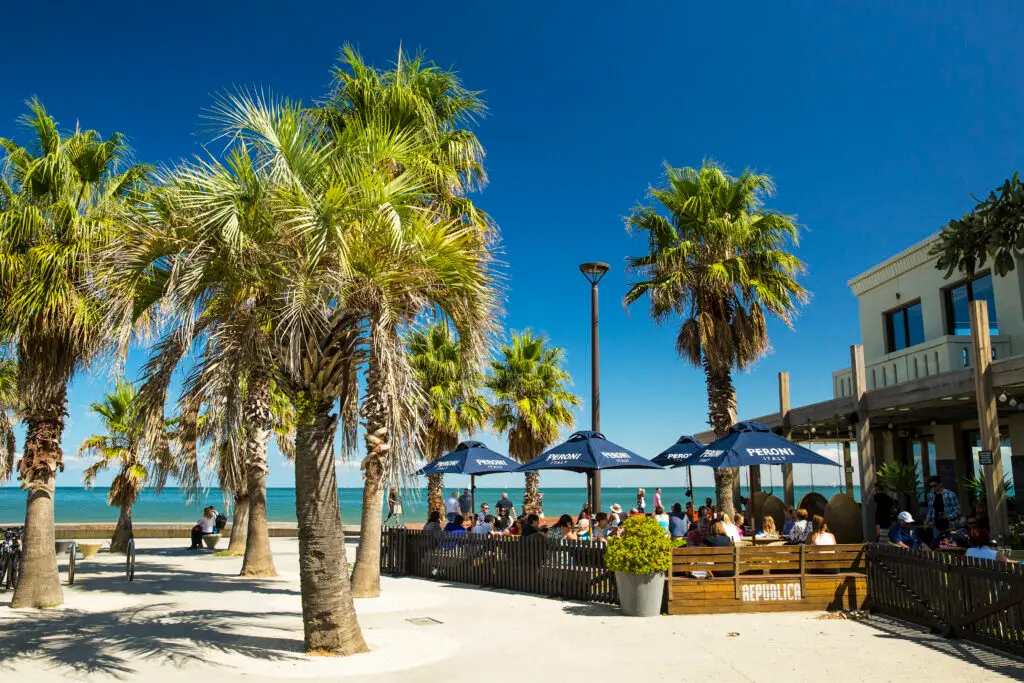
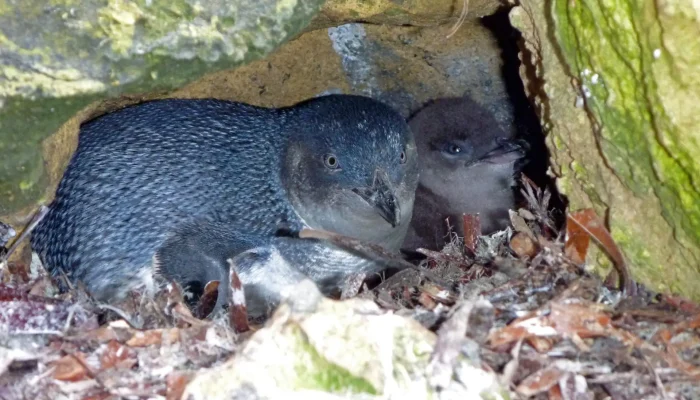
The Mornington Peninsula draws on a Southern European coastal atmosphere and architecture, combined with Australian weather and landscapes. The result is a region rich in culture and outstanding scenery. Its diversity, high quality of life and proximity to Melbourne also make it a popular place to live or spend the summer. Phillip Island is home not only to penguins, but also to koalas – making it a great place to experience Australian wildlife.
Yarra and Daylesford, The Dandenong and The Macedon Ranges
The Dandenong Ranges offer a green oasis close to Melbourne, with dense forests, gardens and charming villages.
The Yarra Valley is famous for its wineries, fine dining and gently rolling hills.
The Macedon Ranges attract visitors with a cooler climate, picturesque country towns and vibrant natural scenery.
Gippsland
The region in the eastern part of the state is strongly shaped by agriculture, particularly livestock farming. Gippsland is well known for its many dairy farms and the production of fine Australian wool. High-quality grass-fed beef and lamb also originate here and are sold throughout Australia.
High Country and The Murray
The northern part of Victoria is rich in early Australian architecture and history and is also home to some of Australia’s most fertile agricultural regions. The Murray is one of the most scenic waterways in the south of the country and is popular with anglers and water sports enthusiasts.
Great Ocean Road, The Grampians, and Goldfields
Western Victoria offers favourable conditions for agriculture and is characterised by cropping and livestock farming. Along the coast runs the Great Ocean Road, one of Australia’s most famous and spectacular coastal routes and a must-see for many visitors.
Climate
Victoria has a temperate climate. Due to its southern location, it is influenced by cooler air masses from the south. Unlike many other parts of Australia, Victoria does not experience the extreme dry periods seen elsewhere in the country. Summers are generally warm, while winters are pleasantly mild. Melbourne is famous for its unpredictable and rapidly changing weather. It is often said that you can experience four seasons in a single day.
Lifestyle
Victoria has been shaped by a wide range of cultural influences since its establishment. This has given the state a unique and diverse cultural identity that is actively embraced by its residents. People in Victoria are very proud of their rich and diverse culture.
Sports
Australia is known for its strong sporting culture, but Victoria takes this enthusiasm even further. Victoria is the only Australian state with two public holidays dedicated specifically to sporting events. The Melbourne Cup is an annual horse race known as “the race that stops the nation” and is recognised as a public holiday in Victoria. Across Australia, many people pause work to watch this 2,200-metre horse race on the first Tuesday in November at 3:00 pm. To properly celebrate the Australian Rules Football Grand Final, Victoria also observes a public holiday known as Grand Final Friday. This holiday always falls on the Friday before the final match, allowing Victorians time to prepare for this major event.
Cuisine
Victoria is a true hotspot for food lovers. Locally produced food is highly valued for its quality, particularly grass-fed beef and lamb, with many embracing a “paddock to plate” approach. Victoria’s cuisine is strongly influenced by Mediterranean and Asian flavours. Chinese, Vietnamese, Thai, Korean and Japanese restaurants are especially common in the Melbourne region. For fans of classic Australian pub food, few things beat a chicken parmigiana paired with a beer of choice. This pub classic is popular with locals and visitors.
Beverages
Victoria is well known for its variety of beer, wine and spirits. There are numerous breweries and small microbreweries producing award-winning beers across Melbourne and throughout the state. The state is also home to many wineries. While they may be smaller than those in some other Australian states, their quality is equally high. In addition to wine, there are cider producers and distilleries making a wide range of spirits, from gin to whisky. Of course, Melbourne’s well-known coffee culture is also part of this, with the city often referred to as Australia’s coffee capital.
Cost of Living
Compared to living in Sydney, Melbourne is slightly more affordable. Salaries are somewhat lower than in Sydney, but more affordable housing and other living costs largely offset this difference. Melbourne’s population growth also creates strong employment opportunities across a wide range of sectors. As in other parts of Australia, there is a significant difference in property prices between metropolitan Melbourne and regional Victoria. At the end of 2020, the average purchase price for a house in Melbourne was around A$940,000, while apartments averaged A$640,000. In regional Victoria, average house prices were around A$486,000, with apartments averaging A$343,000. Price differences can be significant, with values increasing closer to Melbourne and with better transport connections.
Main Places of Interest
Victoria is home to many must-see destinations. Every part of the state offers its own history, landscapes and hidden gems in between. There is plenty to see and do, and the following highlights are a good place to start.
Great Ocean Road
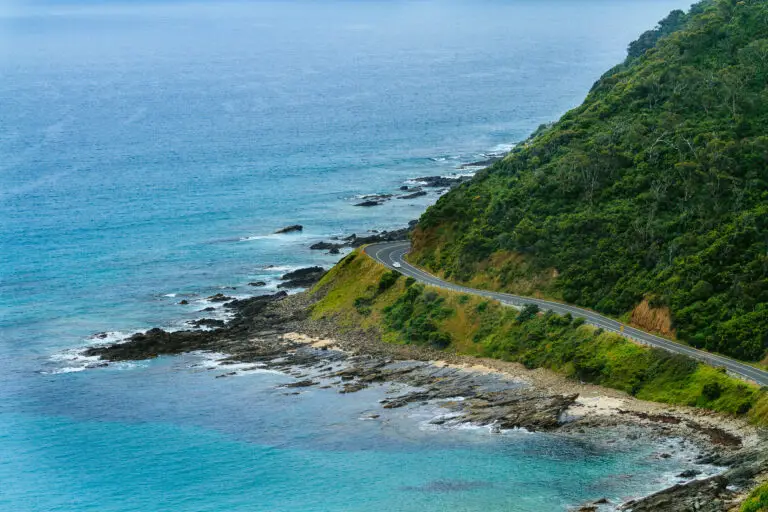
A 243-kilometre stretch along some of Australia’s most famous beaches and rock formations. This section of Australia’s road network is also well known because many Australian car commercials are filmed here. A must-see highlight is the famous Twelve Apostles rock formation.
Yarra Valley Wine Region
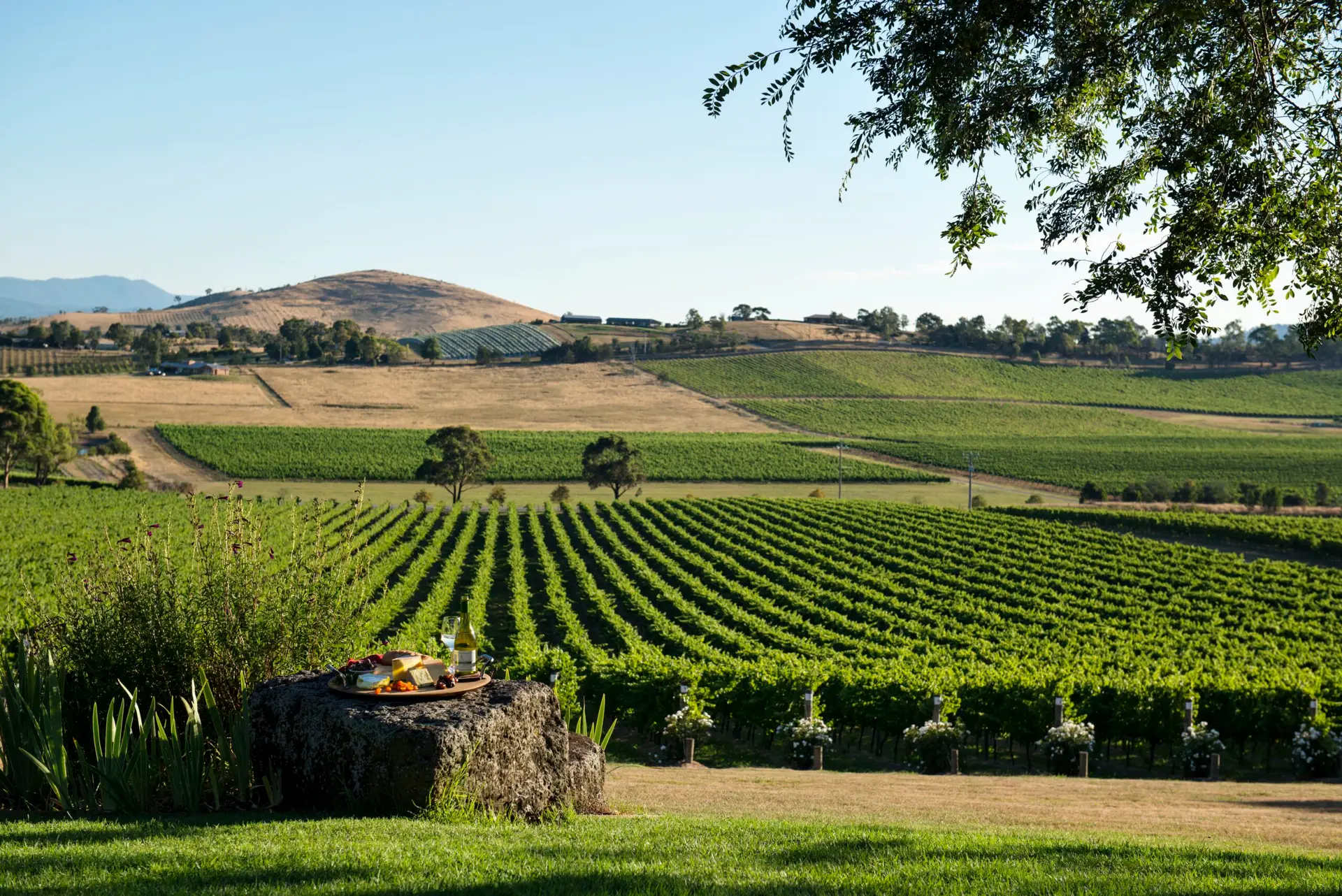
A visit to the Yarra Valley is worthwhile not only for wine lovers. In addition to wine tastings, visitors can sample locally produced cheeses and dine at some of Australia’s top-rated restaurants. These fertile areas are also known for beautiful gardens, a romantic atmosphere and fresh country air. Enjoy a drive through the rolling green hills and sample some of the finest Pinot Noir and Chardonnay Australia has to offer.
Melbourne Cricket Ground
Victorians are highly passionate about sport. The Melbourne Cricket Ground (MCG) is the place to go to watch either a cricket Test match or an Australian Rules Football game. The energy and enthusiasm of the crowd is a must-experience and a highlight of Melbourne’s sporting culture.
Mornington Peninsula
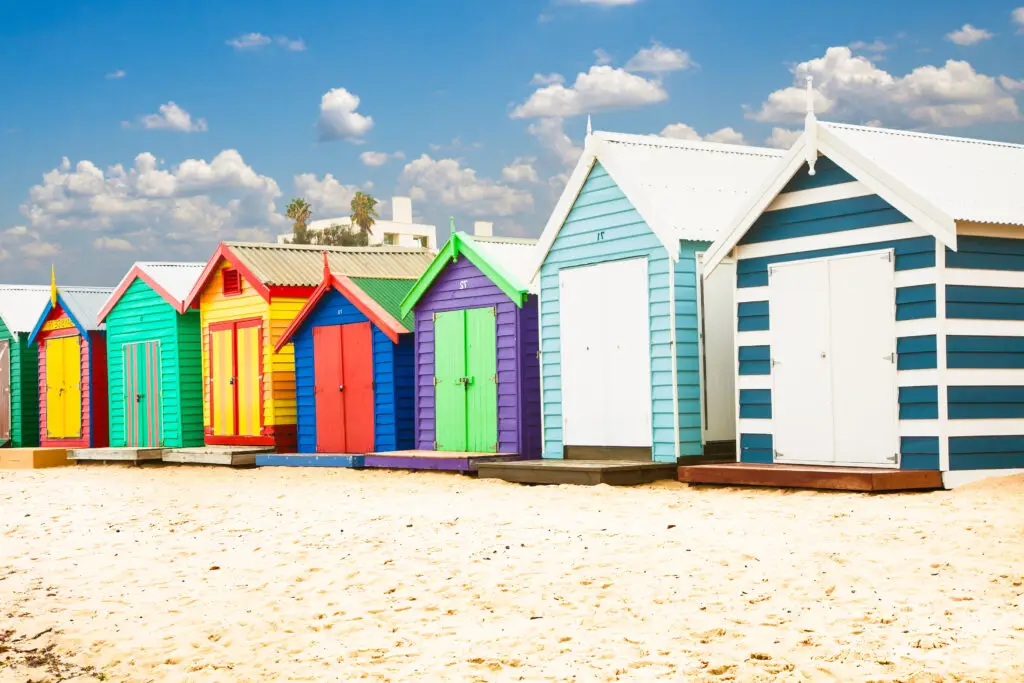
Few places in Australia offer as much variety as the Mornington Peninsula. Located not far from Melbourne, the region features spectacular beaches, hot springs and stunning views over Port Phillip Bay. Visitors can explore outstanding wineries as well as gin, whisky and rum distilleries, and enjoy gourmet lunch options alongside tastings. The Mornington Peninsula also offers excellent swimming and surfing spots.
Main Industries
As diverse as Victoria is in terms of climate and culture, it is equally diverse when it comes to career opportunities in Australia’s second-largest state.
Creative Industries
Melbourne is known as Australia’s creative hub. The city is renowned for its arts scene, including music, television, comedy, theatre and photography. Melbourne is also home to around half of Australia’s game developers. It is also a major centre for graphic designers and other creative roles within the marketing sector.
Technology and Innovation
Victoria, and Melbourne in particular, is home to many innovative companies. The cost advantage compared to Sydney also attracts start-ups. Technology-focused companies specialising in cloud technology, data analytics and software development, among other areas, are well represented. Clean energy technologies are also a growing sector in Victoria. The state is investing heavily in this sector.
Professional Services
Creativity and technological innovation go hand in hand with a strong demand for supporting services. As a result, professional service providers such as accountants, marketing professionals and consultants are in high demand.
Agriculture
The state of Victoria is responsible for a significant share of Australia’s agricultural production. It produces a wide range of food products, including both livestock and crops. Victoria is well known for its strong dairy industry and fine wool production.
Education
Victoria is also known as the “Education State”. The state provides schooling through to high school level. There are also many well-regarded private schools. Victoria is home to eight universities. Two of these are part of the Group of Eight. These are Australia’s leading research-intensive universities. They consistently rank highly in international university rankings.
Fun Facts about Victoria
- Victoria’s tram network is the largest outside Europe. It covers 244 kilometres of track and operates more than 450 trams.
- The aircraft “black box” flight recorder was conceived and invented in Victoria by Dr David Warren.
- The iconic Australian vehicle known as the “ute” was first produced at Ford’s factory in Geelong.
- The five most commonly spoken languages in Victoria other than English are Mandarin, Italian, Greek, Vietnamese and Arabic.
- At 227,416 square kilometres, Victoria is Australia’s smallest mainland state.
Top Five Reasons to Live in VIctoria
- Entertainment. A wide range of museums and historic sites, alongside a vibrant creative arts scene including music and comedy.
- Weather. Victoria offers a comfortable mix of mild winters and warm summers, without the extreme heat experienced elsewhere in Australia.
- Sports Fanatics. Many Victorians enjoy a wide range of sporting activities.
- Employment. Melbourne in particular offers diverse employment opportunities across many industries.
- Coffee. Melbourne and Victoria are well known for exceptional coffee culture.
Closing Thoughts
Victoria is most definitely the place to be. Every corner of the state is rich in historical and cultural heritage. Those seeking entertainment will find no shortage of options, whether it’s sport, theatre or live music. Victoria also offers outstanding career opportunities, ranging from banking and finance to education, agriculture and the creative industries. It is no surprise that Victoria has attracted people from around the world for decades.
Visa options for Victoria
Victoria continues to grow – and part of that growth strategy is skilled migration and the use of Australian skilled visa programs. You can find general information on Australian skilled visas here.
Strengthening the “regional areas” – that is, regions outside the capital Melbourne – is an explicit priority for the Victorian Government. From a migration perspective, almost the entire state of Victoria is classified as “regional”, with the only exception being metropolitan Melbourne. All other areas are treated as regional locations for visa purposes, giving applicants access to the relevant regional visa subclasses.
In addition, there is a DAMA (Designated Area Migration Agreement) in place for the Great South Coast region. This allows potential migrants with occupations that are not otherwise listed on the Australian skilled occupation lists to access a work visa. You can find more information about the DAMA for Victoria in our blog article.
What can the visa pathway look like?
There are different ways to make the dream of living and working in Australia a reality. The key is choosing the strategy that brings you closest to your goal – meaning the visa option that offers the best prospects in your individual situation. Each visa subclass has its own requirements and is linked to specific rights and conditions. The best approach will always depend on your personal circumstances.
That is why it is important to approach your Australian visa pathway in a structured way and clarify the key requirements in advance, in order to avoid problems during the application process. Visapath Australia is happy to help you map out your roadmap to an Australian work visa. We advise you on the different options and support you step by step along the way.
