
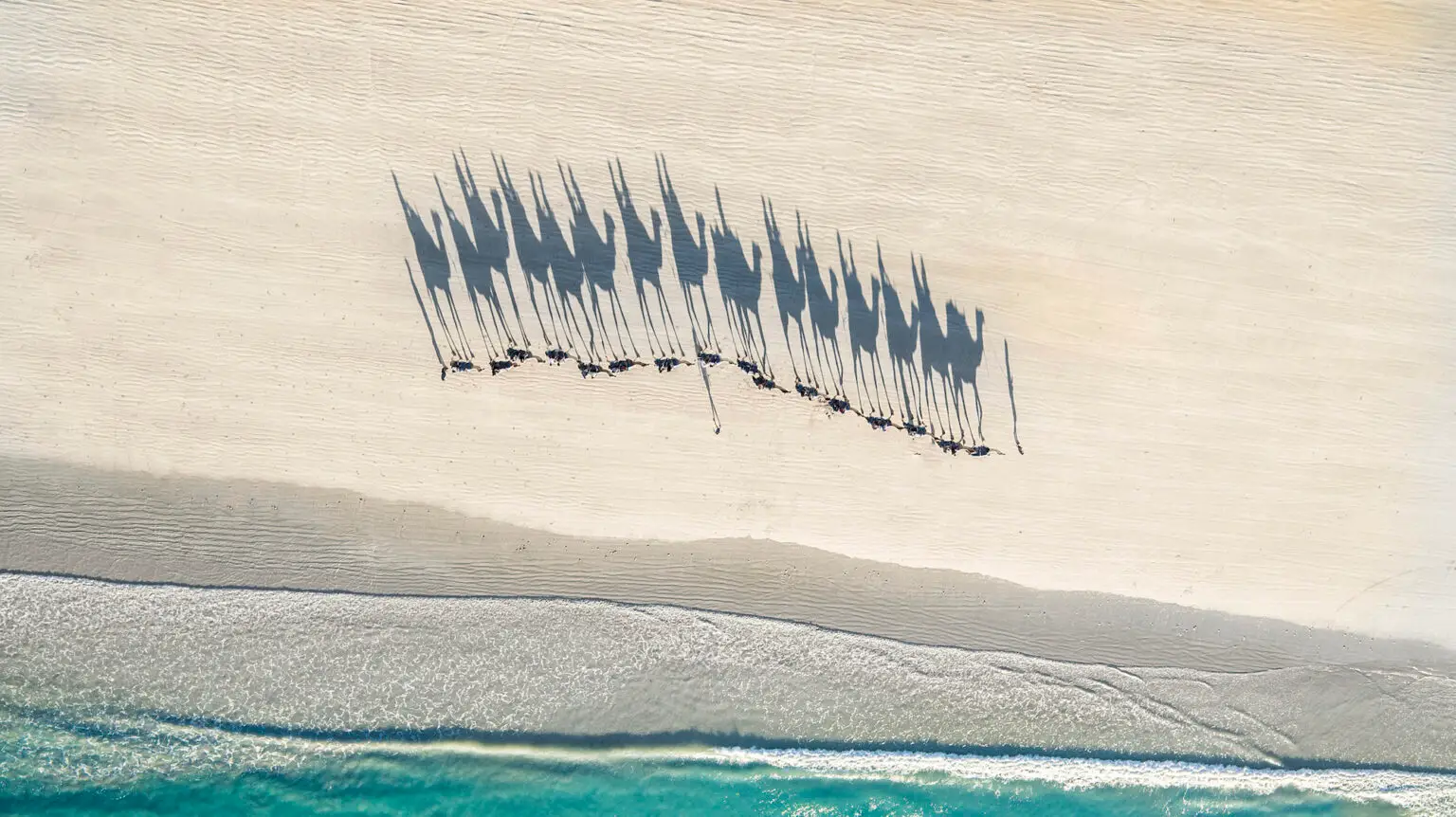
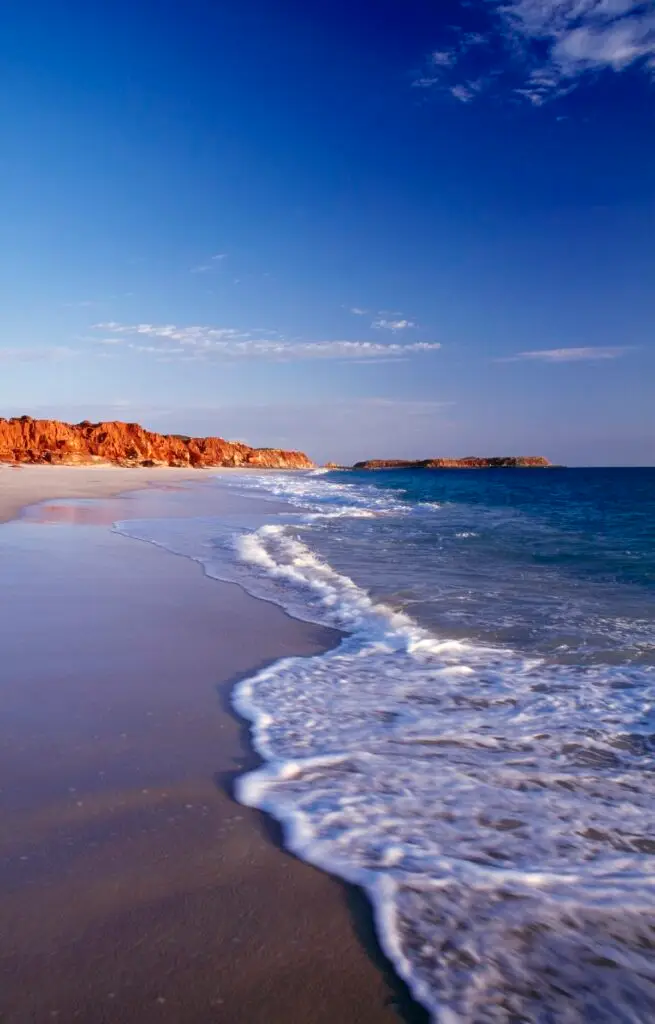
The entire west coast of Australia provides stunning sunsets over the Indian Ocean, and this entire coast is the state of Western Australia. Isolated by distance from the rest of Australia, this state is home to the strongest Australian industries in both mining and agriculture. At the same time, the state also offers more unique experiences; excellent wine regions, a salt water lake that is the colour pink, and Australia’s largest truffle growing region. Western Australia is filled with surprises.
Western Australia At a Glance
Western Australia is the largest state by area, taking up the entire west coast of Australia. The state offers a broad landscape for a very sparse population; less than one person per square kilometre.
Population
Western Australia is home to almost 2.8 million Australians. Of these, almost 2.5 million live in the state capital Perth. Of all the states of Australia, Western Australia has the highest percentage living in its capital city. The population of the state is growing steadily, with Perth experiencing almost 5% growth in recent years.
Main Regions
The following are some of the more popular regions of Western Australia, and for what the area is most commonly known.
Perth
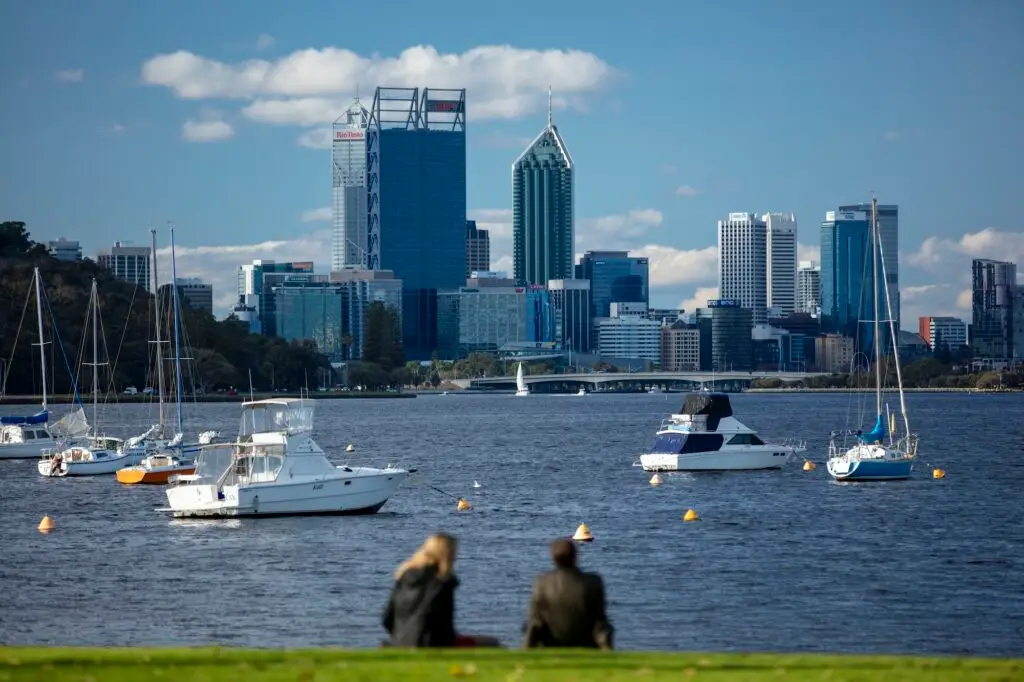
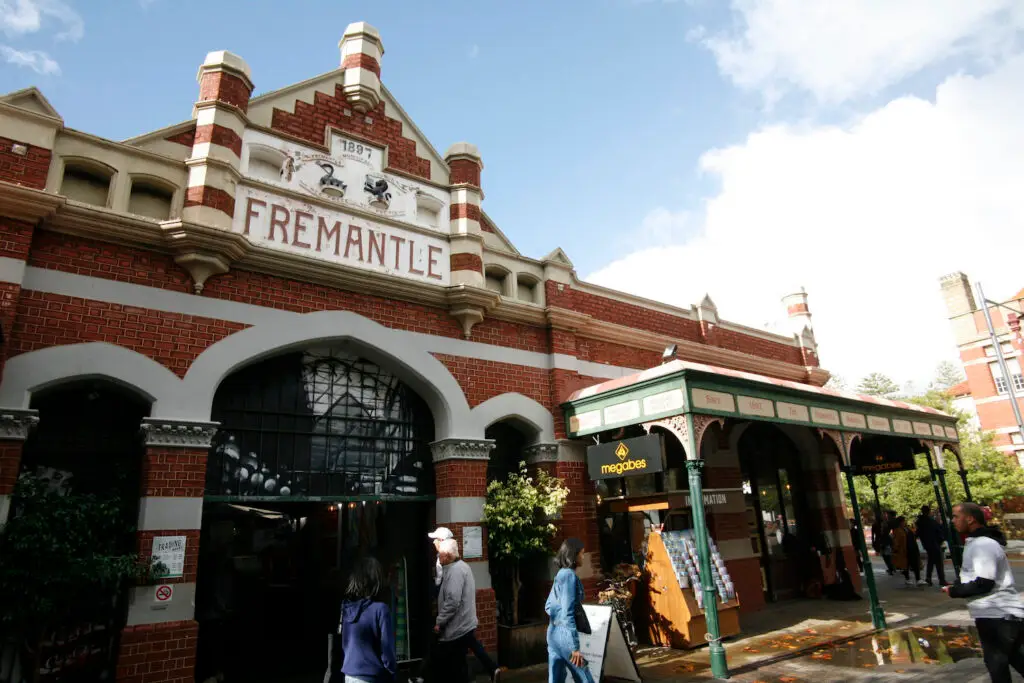
The capital city is located on the western coast towards the south. It is the main hub for many Western Australian exports. Perth has many sandy beaches and parks, and has become a diverse cultural hub of Western Australia. Perth is located on the Swan River, providing many water sports, riverside homes, and great scenery along its walking tracks.
Great Southern Region and Goldfields
The southern part of the state is broad, filled with history and excitement. Walk the many majestic south coast bushwalking tracks or enjoy the south coast wineries. Further inland you can enjoy the rich history of Australia’s wheat growing region and gold rush towns. There are also many natural wonders from whale watching, to the popular Pink Lake that is naturally the colour pink.
Wheatbelt
Western Australia is home to one of the largest wheat producing regions in Australia. This expansive area offers many opportunities for employment in Australian food production, and is also rich in character and history associated with growing the crop in this very harsh terrain.
Southwest
The southwest tip of the state offers a comfortable climate for growing conditions. It also Includes beautiful coast lines and national parks. This area is also fertile for horticulture including growing truffles, and home to the Margaret River wine region.
Pilbara
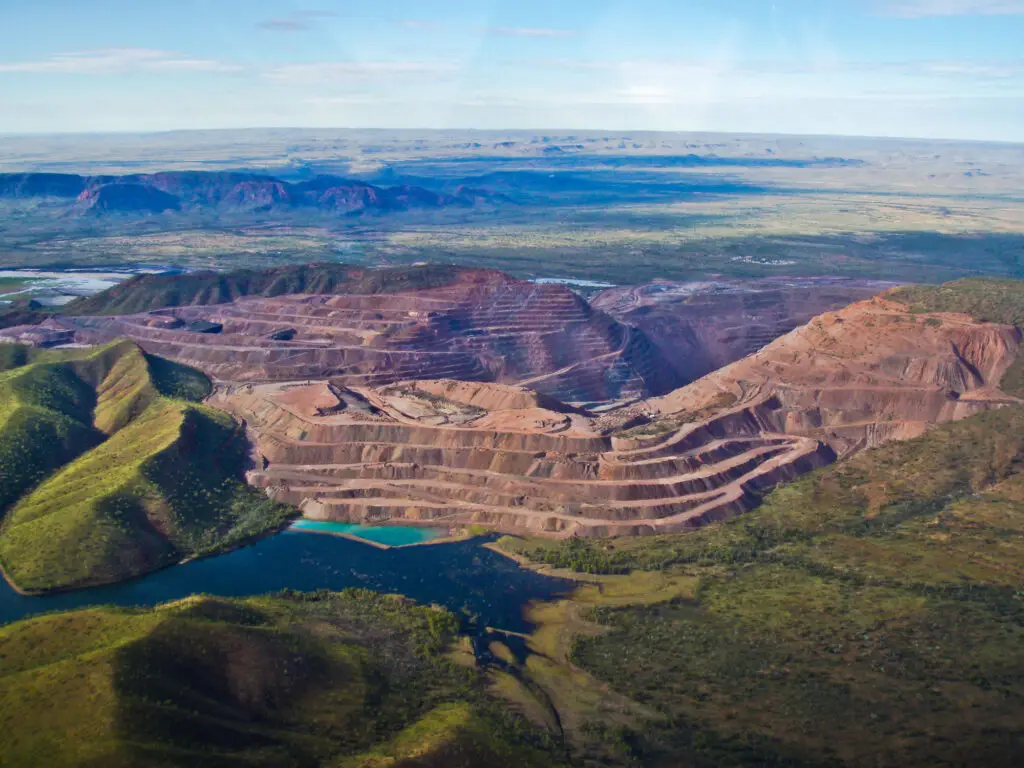
On top of being home to some beautiful landscapes and national parks, this part of Western Australia is the temporary home to the Australian fly-in-fly-out (FIFO) mine worker. The Pilbara region is a large part of the Australian mining sector; a large part of the Australian economy. This region offers financially rewarding employment opportunities, without necessarily having to move there.
The Kimberley
The Kimberley is rugged and remote in its own right. Despite covering an area around three times the size of England, fewer than 40,000 people live here. The region is known for tourism experiences such as cruises, helicopter flights and the 660 km four-wheel-drive route, the Gibb River Road. The regional hub is Broome, with around 14,000 residents.
Climate
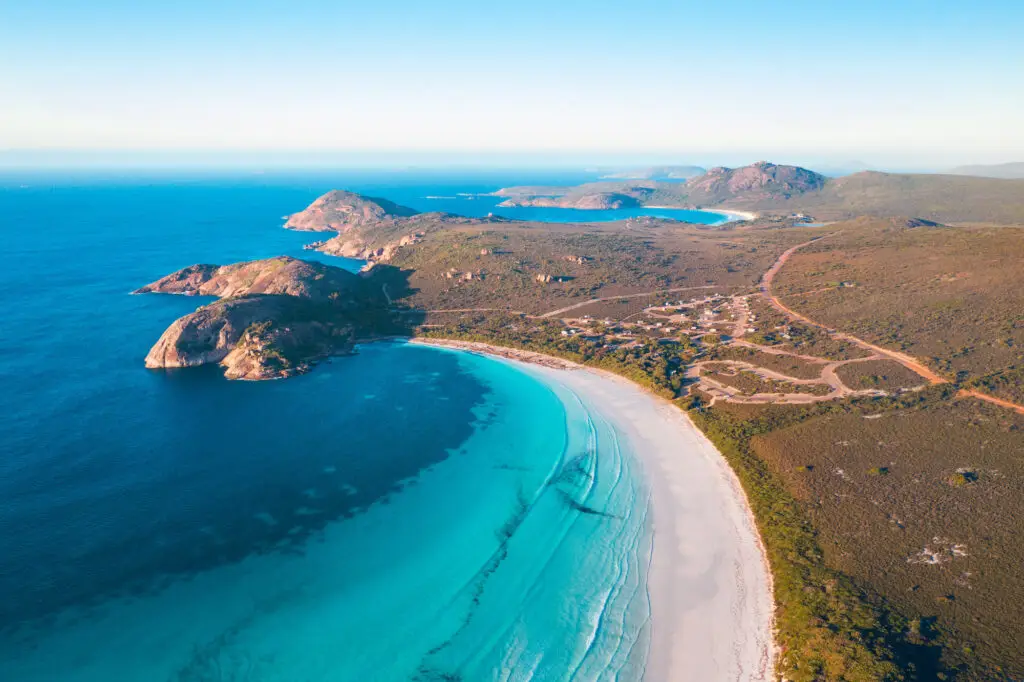
The state covers the entire Western side of the country, and as a result has a very diverse climate. The northern part of the state features a tropical climate, characterised by incredible humidity during some parts of the year. The southern part of the state offers a more mediterranean style of climate, much more comfortable to live in. Summers in the south are generally hot and dry while winters can be cool and crisp.
Lifestyle
From Perth’s city energy to the relaxed pace of life in the state’s more remote and sparsely populated areas, WA offers a lifestyle to suit many different preferences.
Sports
As across Australia, sport plays a big role in WA. Popular codes include cricket, Australian rules football, soccer, field hockey and netball. Optus Stadium in Perth hosts major events across multiple sports, including cricket, AFL, soccer and rugby.
Cuisine
WA’s food culture is shaped by the Indian Ocean and the state’s productive farming regions. Seafood such as lobster, barramundi, crabs and scallops features prominently, alongside a wide range of local meat and crops. In recent years, WA has also become known for truffles — around 80% of Australia’s truffles are grown here.
Beverages
Western Australia is iconic for both beer brewing and wine production. The state has two popular lagers of its own with Emu Export and Swan Draught. Western Australia is also where the iconic Little Creatures and Matilda Bay craft breweries began. The Margaret River wine region produces some of the nation’s finest cabernet sauvignon, semillon, and sauvignon blanc.
Cost of Living
Compared with Sydney, overall purchasing power in Perth is higher. While salaries in WA outside the mining sector can be lower in direct comparison, housing is far more affordable, rents and property prices are often around half of those in Australia’s largest city. When the above-average wages paid in mining are taken into account, WA’s overall income level sits above the national average.
As in other parts of Australia, property prices in WA have risen over the past two years. Even so, housing remains noticeably more affordable in comparison and Perth has the second-lowest property price level of all Australian capital cities, after Darwin.
In June 2022, the median house price in Perth was around A$583,000, and the median unit price around A$410,000. Outside Perth, prices vary widely. In some parts of WA, houses can be found for A$200,000 to A$300,000, while in in-demand towns such as Busselton and Broome, prices can be significantly higher.
Main Places of Interest
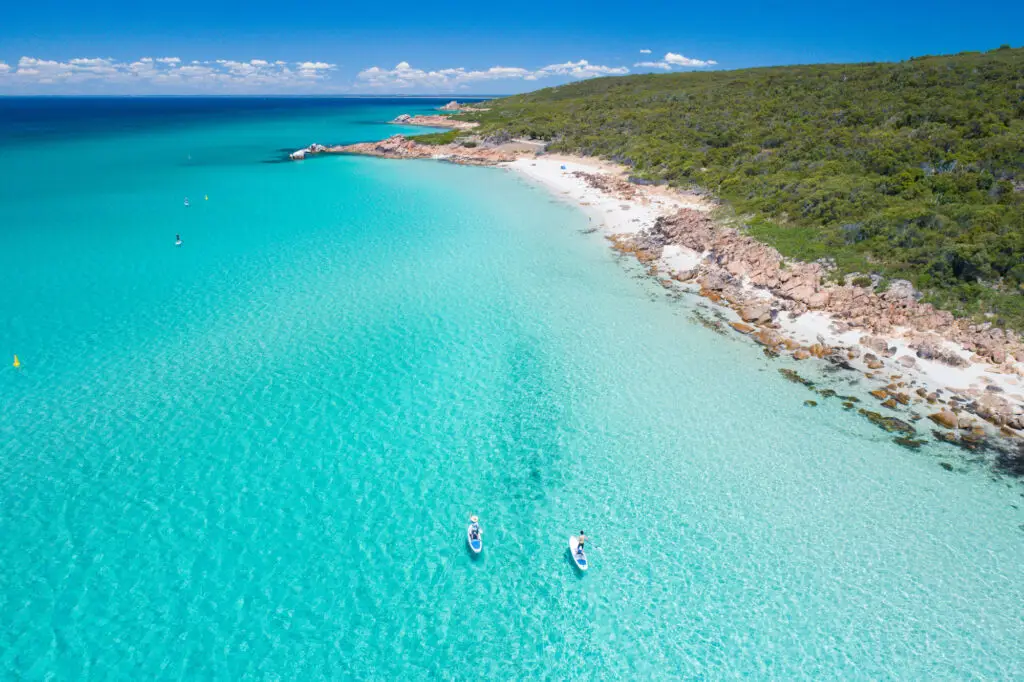
There are many things to see and do in Western Australia. The following are some places that are popular and enjoyable for any Western Australian or visitor.
Kings Park and Botanic Gardens
Kings Park and the Botanic Garden in central Perth is impressive year-round. It’s ideal for a walk, taking in native plantlife and wildlife, and relaxing along the way. There are cafés throughout the park, as well as memorials reflecting Australia’s colonial history and Aboriginal heritage. Kings Park also hosts events across the year.
Rottnest Island
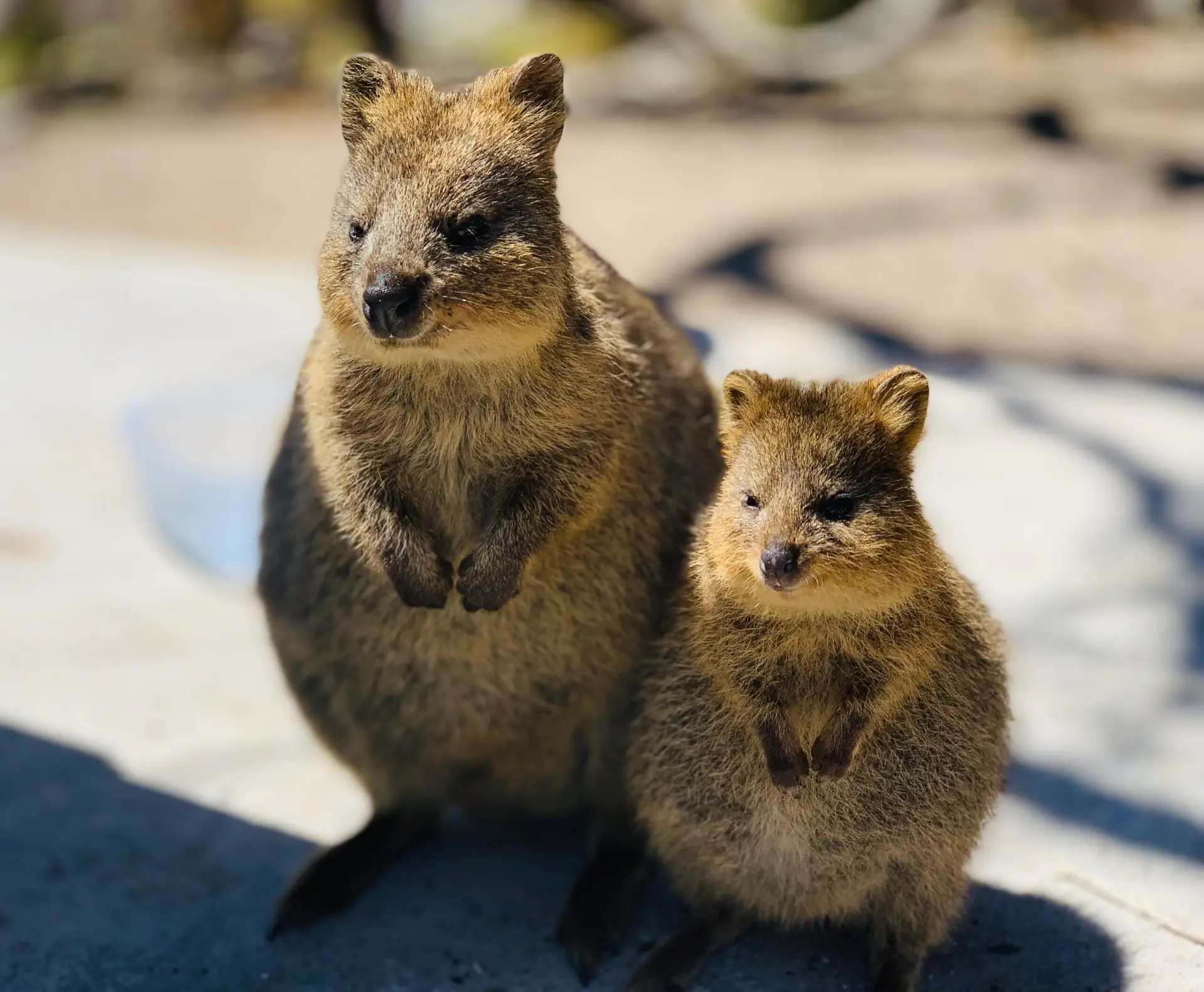
Known locally as ‘Rotto’, this car-free island sits around 19 km off Perth’s coast and is an easy ferry trip from the city. With kilometres of white-sand beaches and turquoise bays, it’s a favourite spot to explore on foot or by bike. It’s also home to one of Australia’s most famous locals: the quokka.
Wave Rock
Although Western Australian terrain is largely flat, the state is actually home to many caves and interesting rock formations. Over 100 metres long and 15 metres high, Wave Rock is a granite formation that looks like a wave in the ocean. Visit this rock in the middle of the wheatbelt region of Western Australia while also taking the opportunity to drive through Australia’s agricultural heritage.
Optus Stadium
Australia has a love of sport, and Optus Stadium offers many opportunities to enjoy Australian pastimes. Take the opportunity to go to Optus Stadium at any time of year to enjoy watching football, cricket, or soccer. Take in the excitement of the crowd only offered by the Australian sporting experience.
Margaret River
The Southwest region of the state is home to some of the finest produce grown in the country. On top of enjoying the iconic wines of the region, the Margaret River offers sweet and savoury delights, pleasing to anyone’s tastes. Enjoy what can be offered from the region’s dairy and meat industry in the furthest south western tip of the continent.
National ANZAC Centre, Albany
In 1914, 30,000 Australian and New Zealand troops departed from the port of Albany in Western Australia for Gallipoli. Marking the anniversary of these troops landing on Gallipoli, ANZAC day is celebrated in Australia each year. The National ANZAC Centre in Albany gives memorial to their experiences in this world-class historical facility.
Broome
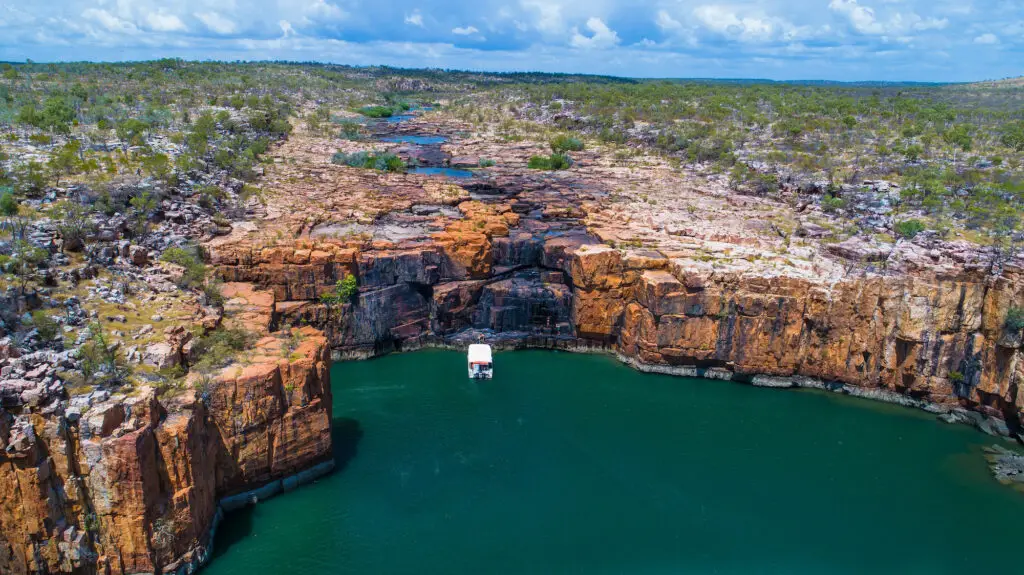
The coastal town of Broome in the Kimberley region is known not only for its beaches – including the famous Cable Beach – but also as the starting point for a wide range of activities in the region, such as visiting pearl farms, joining outback tours, taking scenic flights and much more. You can also visit the Horizontal Falls, a well-known natural phenomenon in the region.
Main Industries
Diverse in land size and scope, Western Australia is home to a broad range of industries and employment opportunities.
Mining and Resources
The economy of Western Australia is largely dominated by the natural resources and minerals that can be extracted from the vast land. Iron ore, gold, natural gas, and diamonds are all mined in Western Australia.
Agriculture
Western Australia is home to the bulk of Australian wheat, barley, and other grains including canola and lupins. The state is also a strong contributor with livestock when it comes to both lamb and beef production, as well as seafood.
Manufacturing
Western Australia takes both mining and agriculture to contribute towards manufacturing and processing. Metal production and ship building are a large part of the manufacturing industry, along with infrastructure built for the agricultural sector.
Tourism
As time goes on, the western side of Australia is becoming a stronger tourist destination. Both international and domestic tourists are taking the opportunity to indulge in the natural wonders.
Education
As in other Australian states, education is offered through both public and private institutions. Homeschooling is also not uncommon, particularly given WA’s low population density and the remoteness of some communities. WA is well positioned in higher education too: Perth is home to five universities, with campuses and satellite locations spread across the state. Perth has also become a popular choice for international students, thanks to a wide range of courses and comparatively lower living costs.

Fun Facts about Western Australia
- In the 1930s, Australia officially declared war with Australia’s national bird (the emu) who was ruining crops in Western Australia. Australia lost the war.
- Perth is the most isolated city in the world. Geographically, the next closest city is Adelaide which is 2,200 kilometres away.
- If Western Australia became its own country, it would be in the top ten largest countries by land mass.
- Western Australia is home to the southern hemisphere’s longest wooden jetty; Busselton Jetty is 1.8 kilometres long.
- King’s Park in Perth is the largest city park in the world.
Top Five Reasons to Live in Western Australia
- Affordability. Lower living costs compared with many other parts of Australia can support a strong standard of living.
- Laid-back mindset. WA’s distance and sense of space contribute to a relaxed, easy-going attitude.
- Climate. The mediterranean climate makes for a very comfortable place to live. The southern part of the state offers a great combination of weather.
- Proximity for international travel. Perth is closer to Jakarta and Singapore than Canberra. It’s the least amount of travel time to get to Europe from Perth.
- Adventure. There is so much landscape to explore and oceans to enjoy. Western Australia is great for the outdoor thrills seeker.
Closing Thoughts
Western Australia offers a great combination of factors that make for an ideal place to live. Perth is a world class city with stunning architecture and excellent infrastructure. Drive only fifteen minutes though, and you will find yourself in the amazing Western Australian countryside. Many people find themselves conflicted with whether to move to the seaside, the busy city, or the quiet country. With Western Australia all three can be found in one location, and right on the doorstep of some of the wildest places in Australia.
Visa options for Western Australia
State Nominated Visa
For a long time, Western Australia’s General Skilled Migration program focused strictly on applicants who were already working in Western Australia or had completed their studies there. Direct state nomination pathways for migrants applying from overseas and without an existing residence in WA were very limited. Following an announcement by the Western Australian Government, this is now set to change due to significant skills shortages. For the 2022/2023 program year, applicants outside Australia are once again to be considered for state nomination. The occupation lists are also to be significantly expanded, creating more pathways for all those who would like to make Western Australia their new home.
Regional Visa
For skilled visas, the entire state of Western Australia – including Perth – is classified as “regional”. This means you can use any of the regional visa subclasses to live and work anywhere in Western Australia, without restriction.
You can find general information on Australian skilled visas here.
DAMA
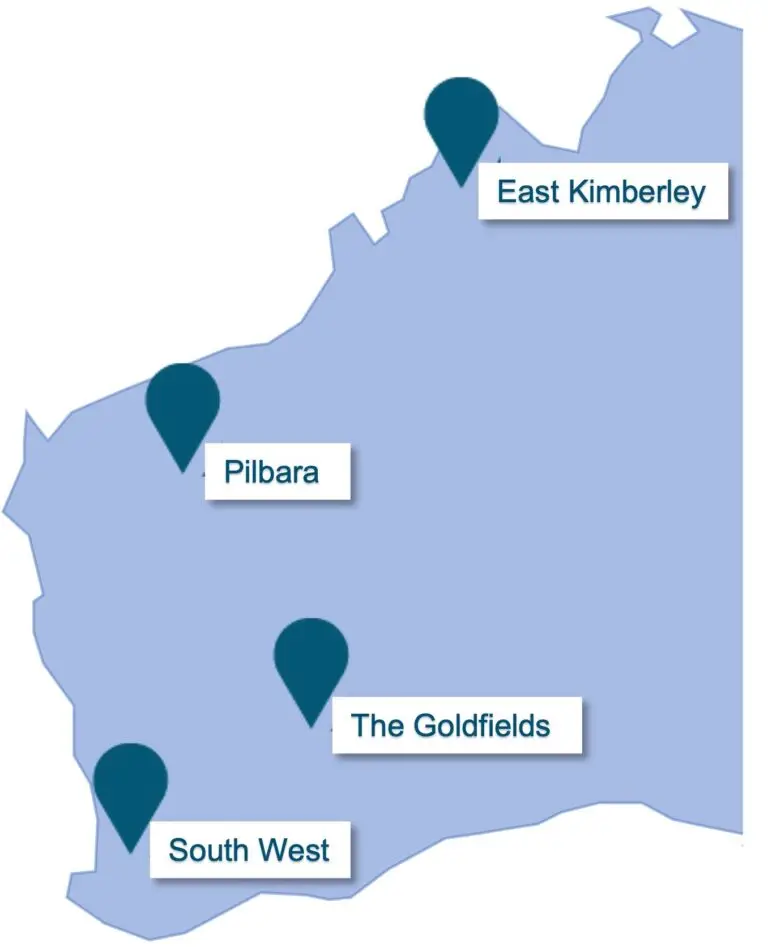
Western Australia currently has several DAMA (Designated Area Migration Agreement) arrangements in place, covering the regions of East Kimberley, Pilbara, South West and The Goldfields. These agreements give potential migrants with occupations that do not normally appear on the Australian skilled occupation lists – for example waiter, bar supervisor or truck driver – a pathway to a work visa. You can find more information about the DAMAs in our blog article.
What could your pathway to a visa look like?
There are different ways to turn the dream of living and working in Australia into reality. The key is choosing the strategy that brings you closest to your goal – in other words, the visa option that offers the best prospects in your individual situation. Each visa subclass comes with its own set of requirements and is linked to specific rights and conditions. The best approach will always depend on your personal circumstances.
That is why it is important to approach your Australian visa pathway in a structured way and clarify the key requirements in advance, so you can avoid problems during the application process. Visapath Australia is happy to help you map out your roadmap to an Australian work visa. We advise you on the different options and support you step by step along the way.
