

TRAINING IN TRADES AND CONSTRUCTION IN AUSTRALIA
Australia offers a wide range of training opportunities in high-demand trades and construction-related professions. For international students, these hands-on courses not only provide a recognised qualification, but also a long-term pathway into the Australian job market.
The combination of practical training and visa options makes Trades & Construction an especially attractive entry point into a professional future in Australia.
COURSES BY SPECIALISATION
Here you’ll find selected example courses grouped by field of study.



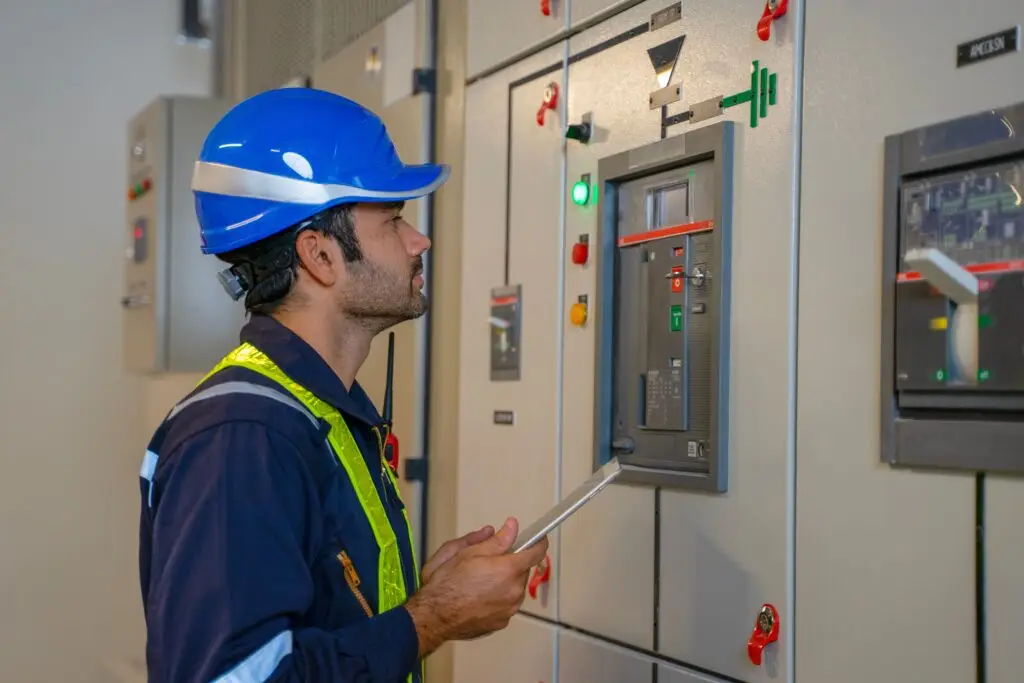



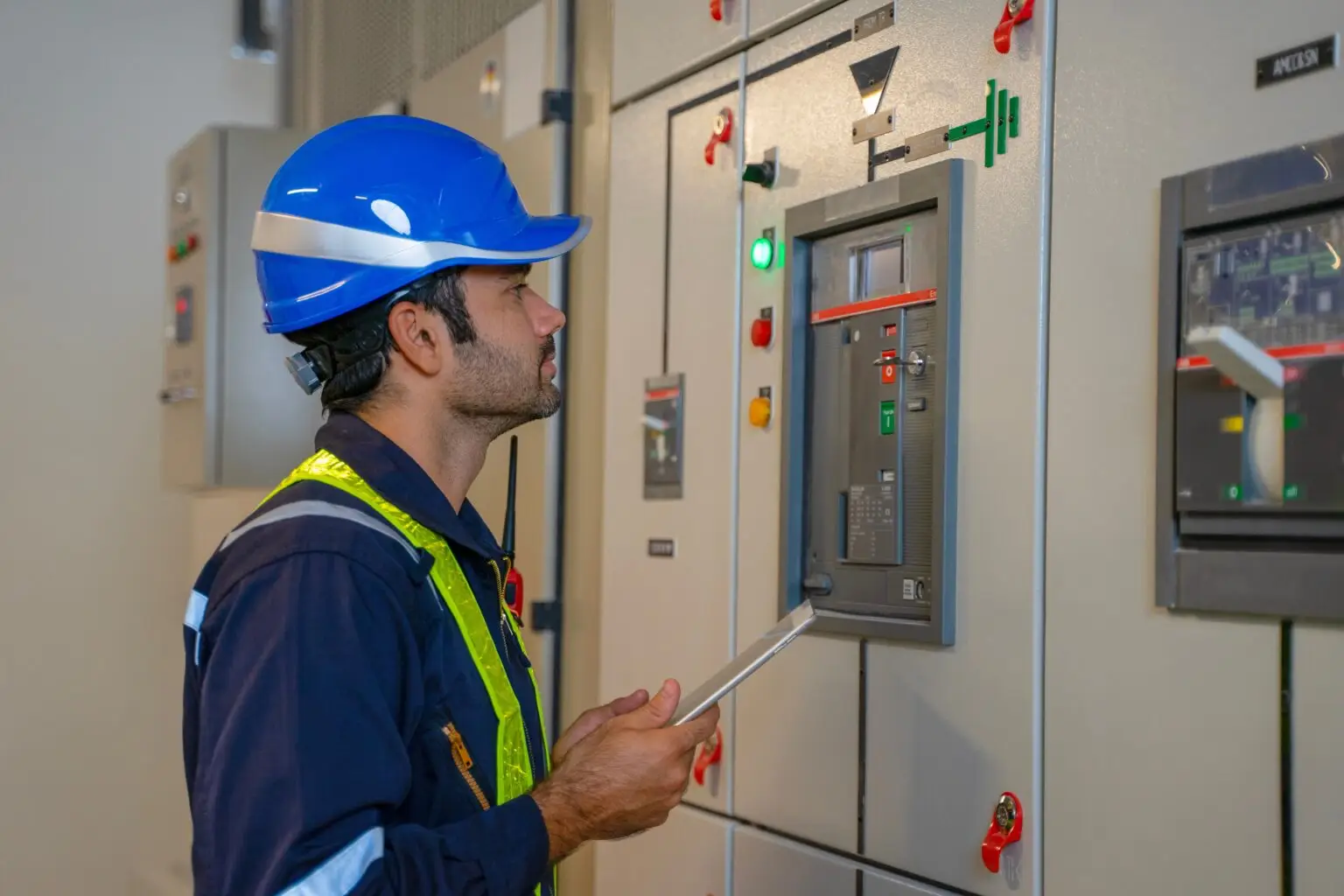
Electro Technology
Interested in electrical systems or already have experience in this field? Courses in Electrotechnology or Instrumentation and Control may be a strong fit. Skilled workers in this area are in high demand in Australia.
With increasingly complex production systems, the need for technicians continues to grow. Electro Instrumentation Technicians inspect and maintain electronic machinery essential for smooth operations. This occupation is growing rapidly, not only in Australia but worldwide.
The courses provide hands-on training, usually in small groups. The focus is strongly on practical skills. Vocational placements are therefore also an integral part of the course. Many providers allow you to complete the course with only two on-campus days per week.
Good value for money
Metropolitan & regional options
Industry connections through practical training
Certificate III in Instrumentation & Control
Certificate III in Electrotechnology



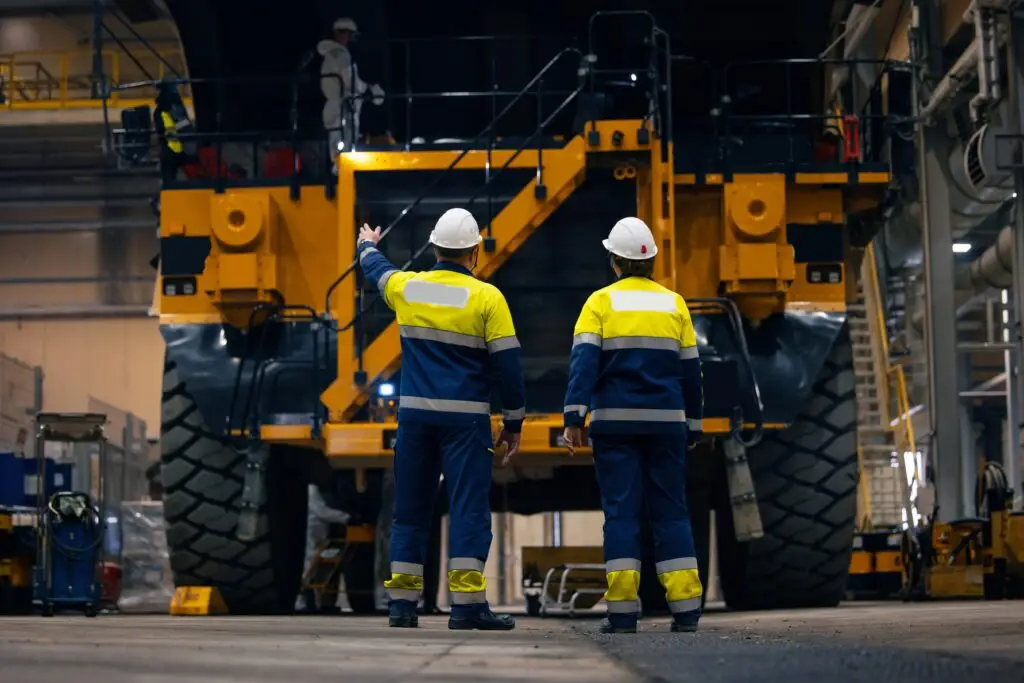




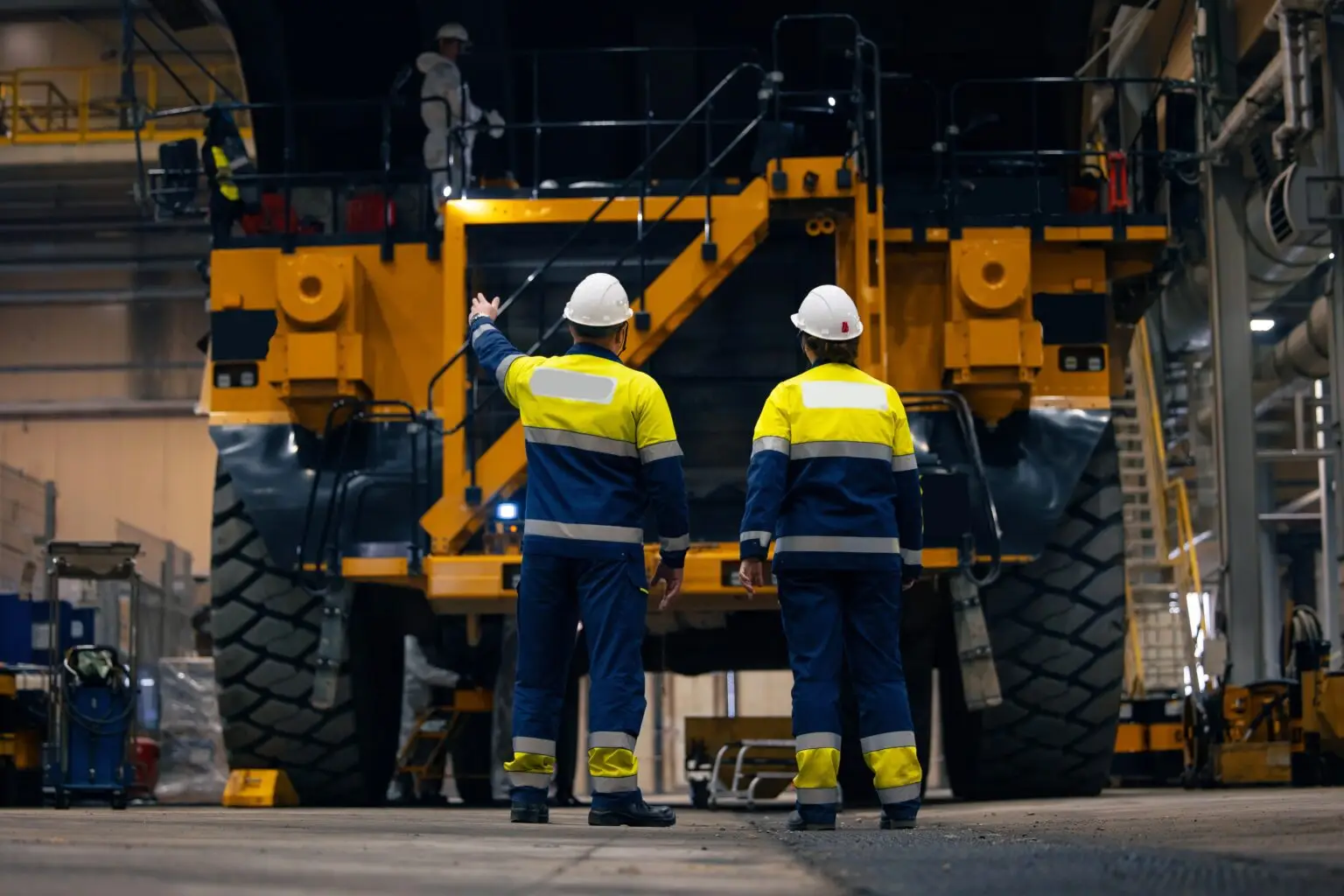
Automotive Technology
Automotive Technology training provides comprehensive skills in the maintenance, diagnostics and repair of modern vehicles. It combines theory with hands-on workshop practice and prepares students for a versatile career in the automotive industry.
During the two-year programme, students learn to analyse complex vehicle systems and carry out maintenance independently. Training usually includes a vocational placement to ensure real workplace experience.
Automotive Technology courses in Australia combine hands-on, practical learning with recognised qualifications.
Combination of theory, practice and cutting-edge vehicle technology
Strong career and earning prospects
Broad employment options across workshops, manufacturers and service providers
Certificate III in Light Vehicle Mechanical Technology
Certificate III in Heavy Commercial Vehicle Mechanical Technology







Building & Construction
Building-focused courses qualify graduates to work as licensed builders in Australia. Training includes subcontractor selection, supervision of works, site management, and communication with clients.
A Diploma of Building provides skills in selecting and coordinating subcontractors, supervising construction works and communicating with clients. It can lead to roles such as site supervisor, project manager or self-employed builder. Credit transfer into a bachelor programme is often possible.
A Diploma of Building and Construction (Management) focuses more on the organisational and commercial aspects of construction projects. Topics include legal frameworks, contract management, and coordination of subcontractors. This qualification opens career pathways in project management, client liaison, or construction sales.
Building and management courses in Australia combine practical, hands-on learning with recognised qualifications. They open the door to responsible roles in the construction sector, support the process of obtaining a builder’s licence and can provide a foundation for further study.
Highly sought-after qualification
Good career and earning prospects
Industry contacts through practical training
Certificate IV in Building & Construction
Diploma in Building & Construction (Building / Management)
Bachelor/Master in Building & Construction








Civil Construction & Engineering
In Australia, Civil Engineering Design programmes are available at Diploma and Advanced Diploma level. These courses prepare students for roles in infrastructure planning and construction.
Content includes construction methods, engineering mathematics, materials science, CAD-based design, as well as environmental and geotechnical principles.
Graduates can work as Civil Engineering Designers, technical drafters, or project assistants within engineering or construction companies. With experience, career pathways extend into project coordination and technical leadership.
These qualifications can also provide a foundation for further study such as a Bachelor of Civil Engineering. Many programmes include practical, real-world projects reflecting current industry requirements.
Civil Engineering Design courses in Australia combine practical, hands-on learning with internationally recognised qualifications. They provide entry opportunities into the planning and delivery of infrastructure projects and therefore offer strong career prospects in Australia and worldwide. Technical expertise and experience with modern design and CAD systems also make it easier to transition into further study.
Modern technologies
Metropolitan & regional options
Diverse career applications
(Advanced) Diploma of Civil Construction Design
(Advanced) Diploma of Civil Construction Management
Bachelor/Master in Civil Engineering









Carpentry & Cabinet Making
Carpentry and Cabinet Making courses in Australia offer both practical and theoretical skills in timber and construction trades.
Carpentry covers work as a carpenter or joiner, including framing, roofing structures, formwork, and installing doors, windows and sub-floors. Students also learn plan reading, materials knowledge and basic drafting.
Cabinet Making focuses on producing furniture, kitchens, bathrooms and shop-fittings. It requires skills with tools and materials, as well as creativity and design understanding.
These practical courses typically include vocational placements, providing industry exposure and valuable professional contacts.
Training in Carpentry and Cabinet Making provides practical, job-ready qualifications. Vocational placements during the course allow you to gain real workplace experience and build industry contacts. They support entry into the Australian labour market through a wide range of career opportunities in construction and joinery trades, and combine practical craftsmanship with creative design opportunities.
Broad range of skills
Good value for money
Industry contacts through practical training
Certificate III in Carpentry
Certificate III in Cabinet Making




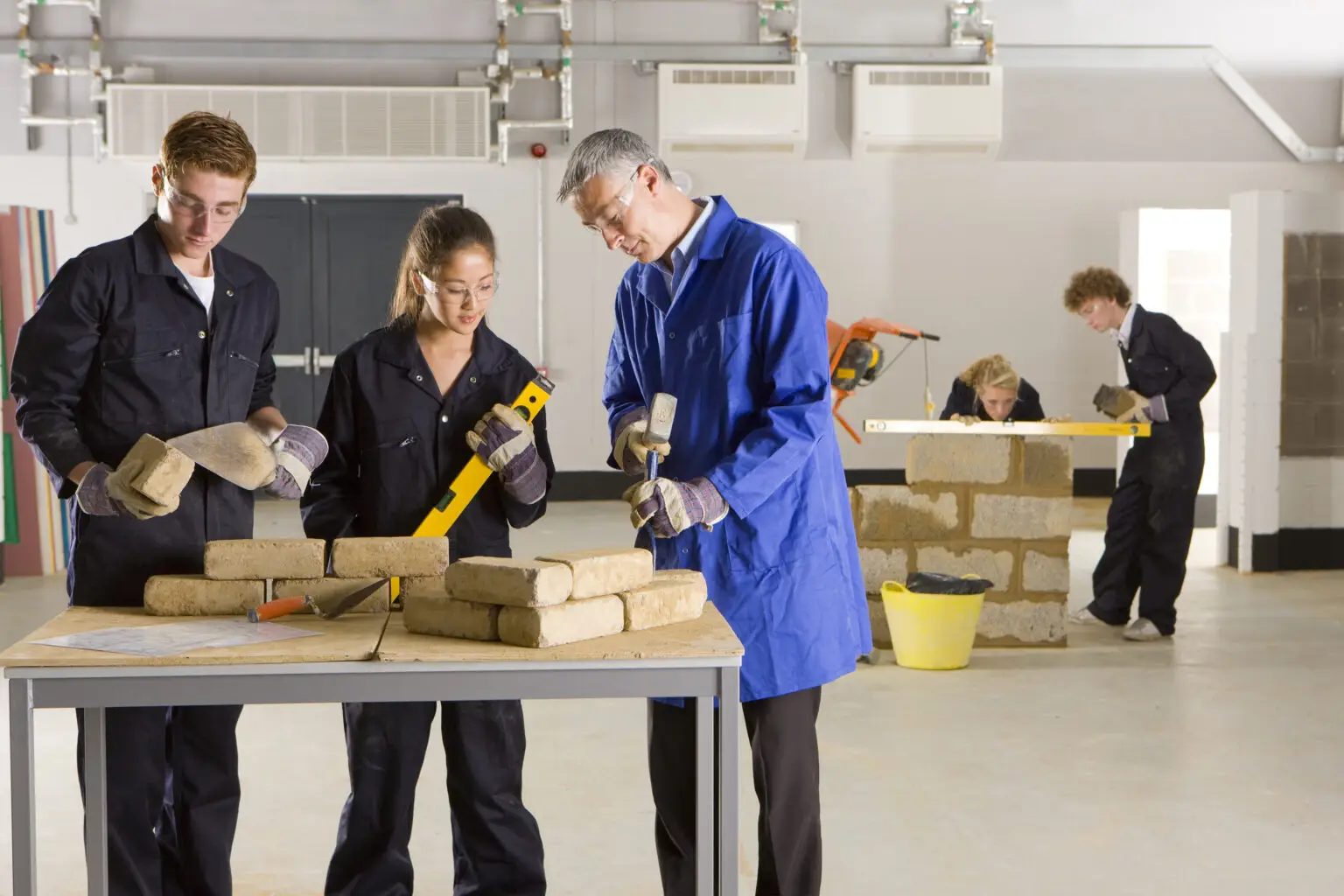
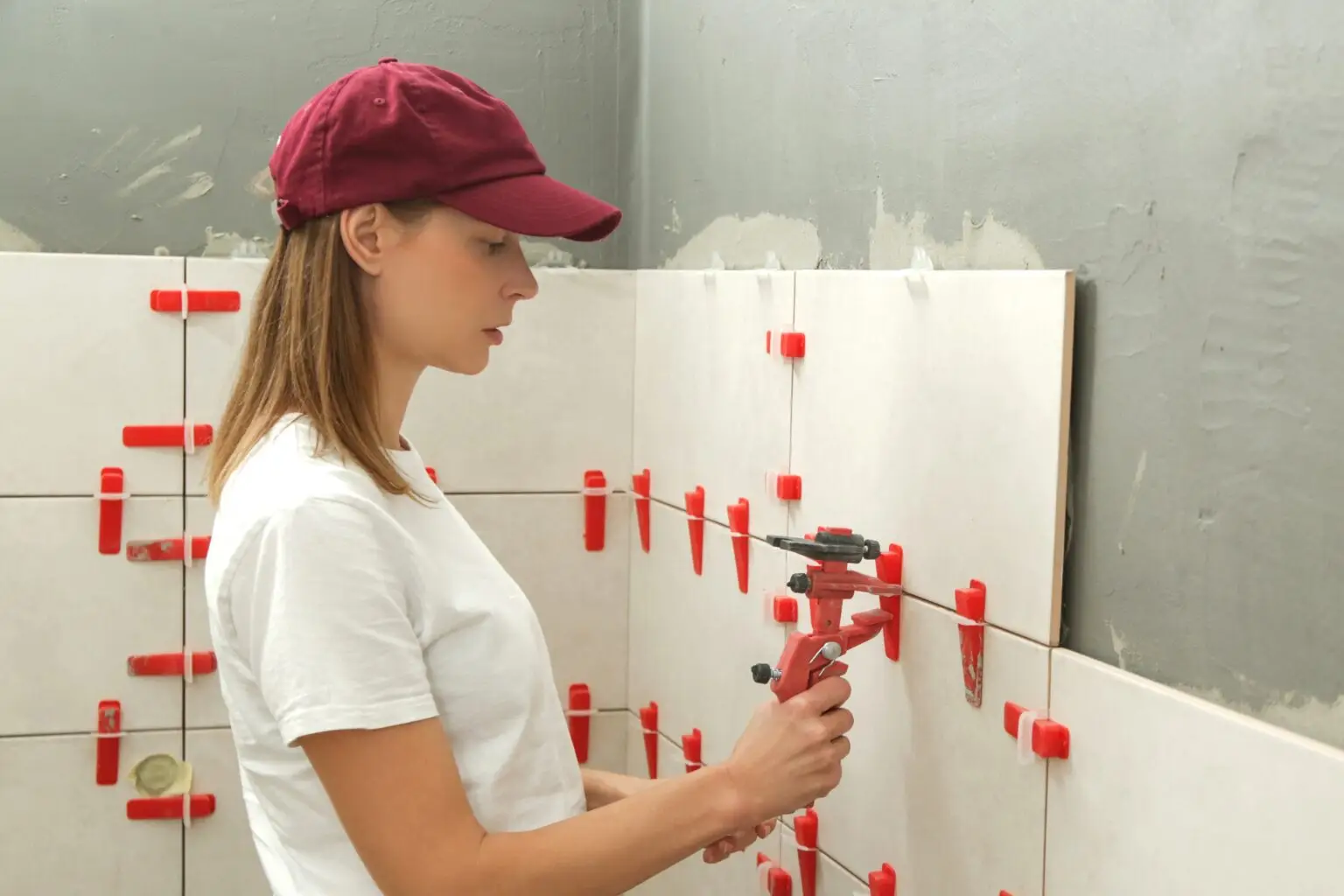
Bricklaying, Painting & Tiling
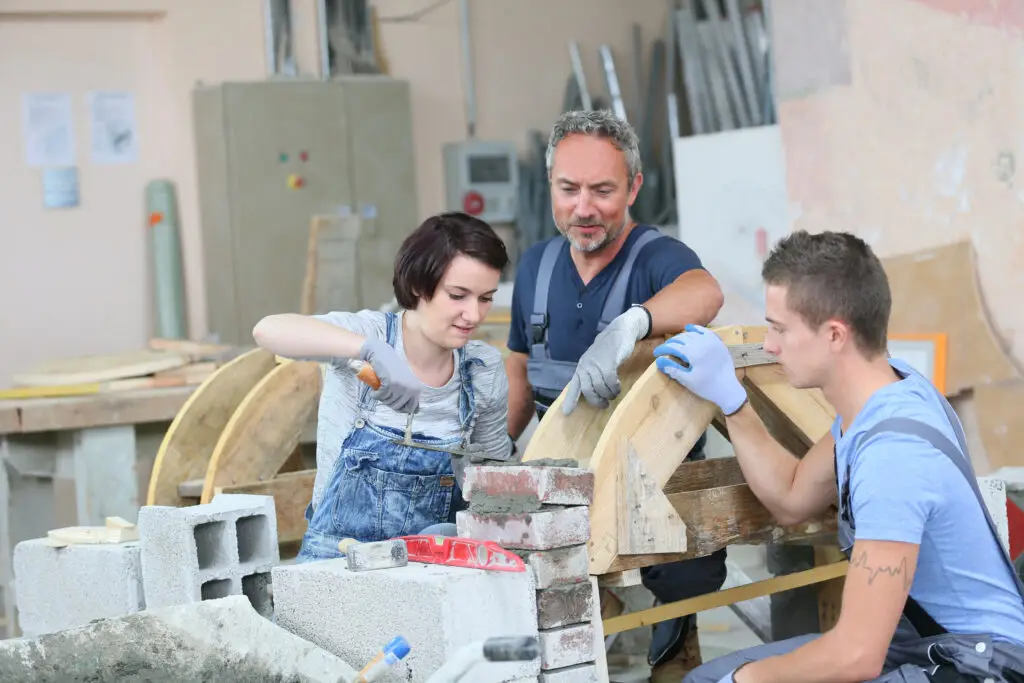
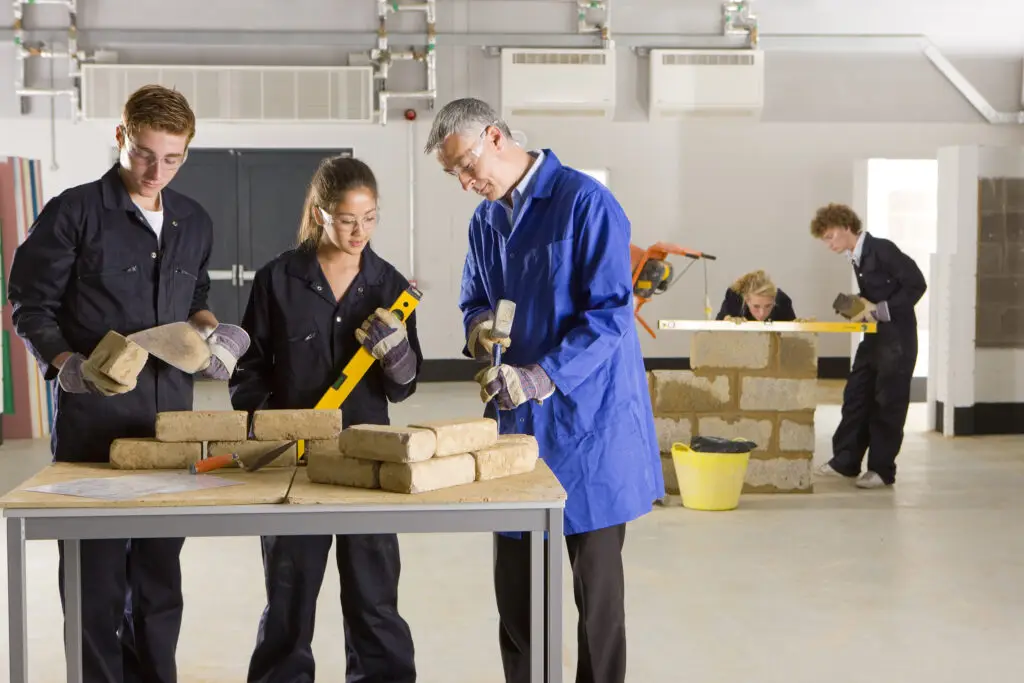
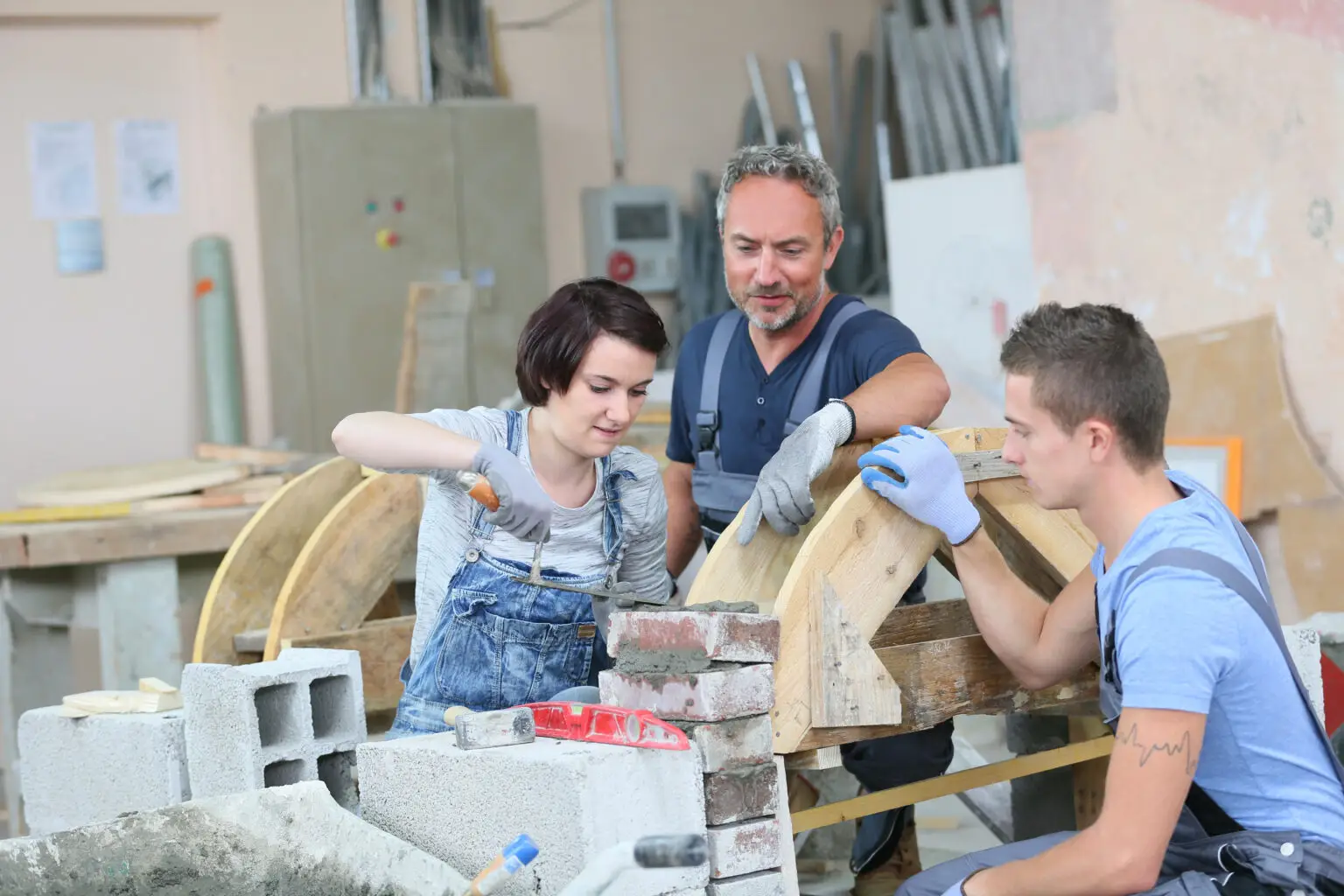
Trades such as Bricklaying, Painting & Decorating and Wall & Floor Tiling offer excellent employment prospects in Australia’s construction industry.
Bricklaying covers working with bricks and stone, constructing walls and structures, interpreting building plans, surveying techniques and specialist tools.
Painting & Decorating includes techniques for preparing and finishing surfaces in residential and commercial buildings, including paint, coatings, wallpaper and decorative finishes.
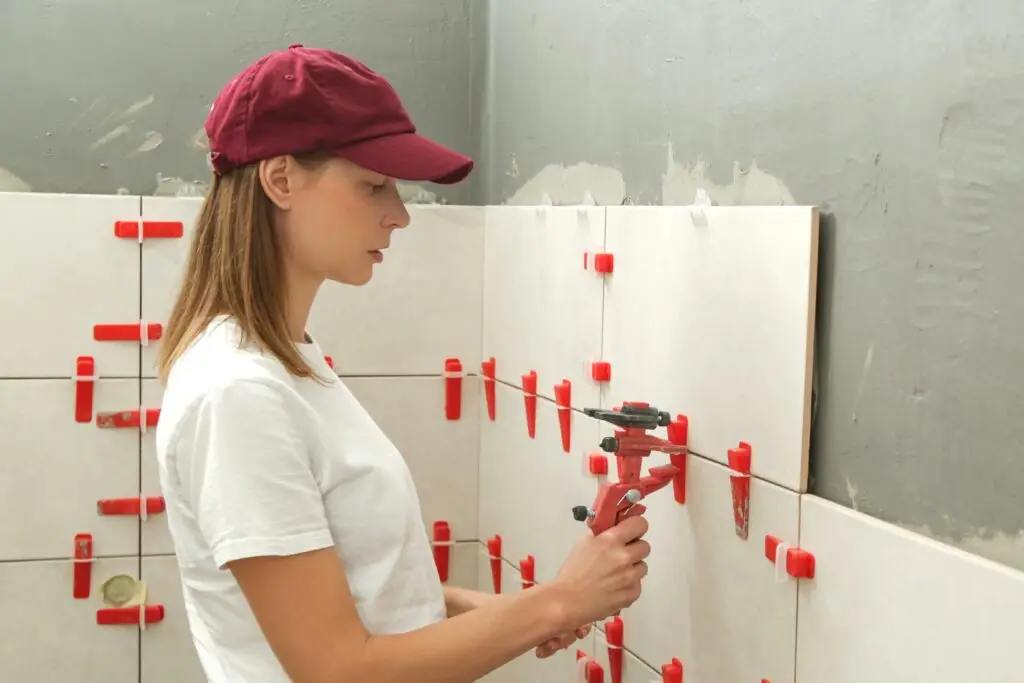
Wall & Floor Tiling focuses on working with materials such as ceramic, slate, marble or glass, combining technical skills with creative surface design.
These trade qualifications offer strong earning and employment prospects in the construction industry. They can be combined with a Certificate IV or a Diploma in Building and Construction to gain additional management and project-supervision skills. This enables you to combine practical trade skills with competencies in planning, coordination and site management.
Good earning and employment prospects
Metropolitan & regional options
Industry contacts through practical training
Certificate III in Bricklaying/Blocklaying
Certificate III in Wall & Floor Tiling
Certificate III in Painting & Decorating

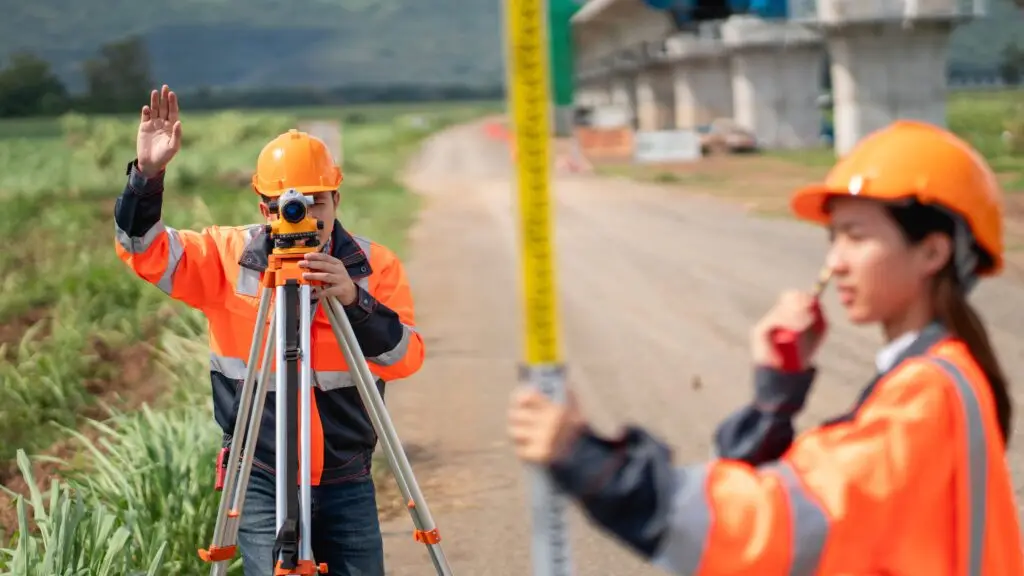

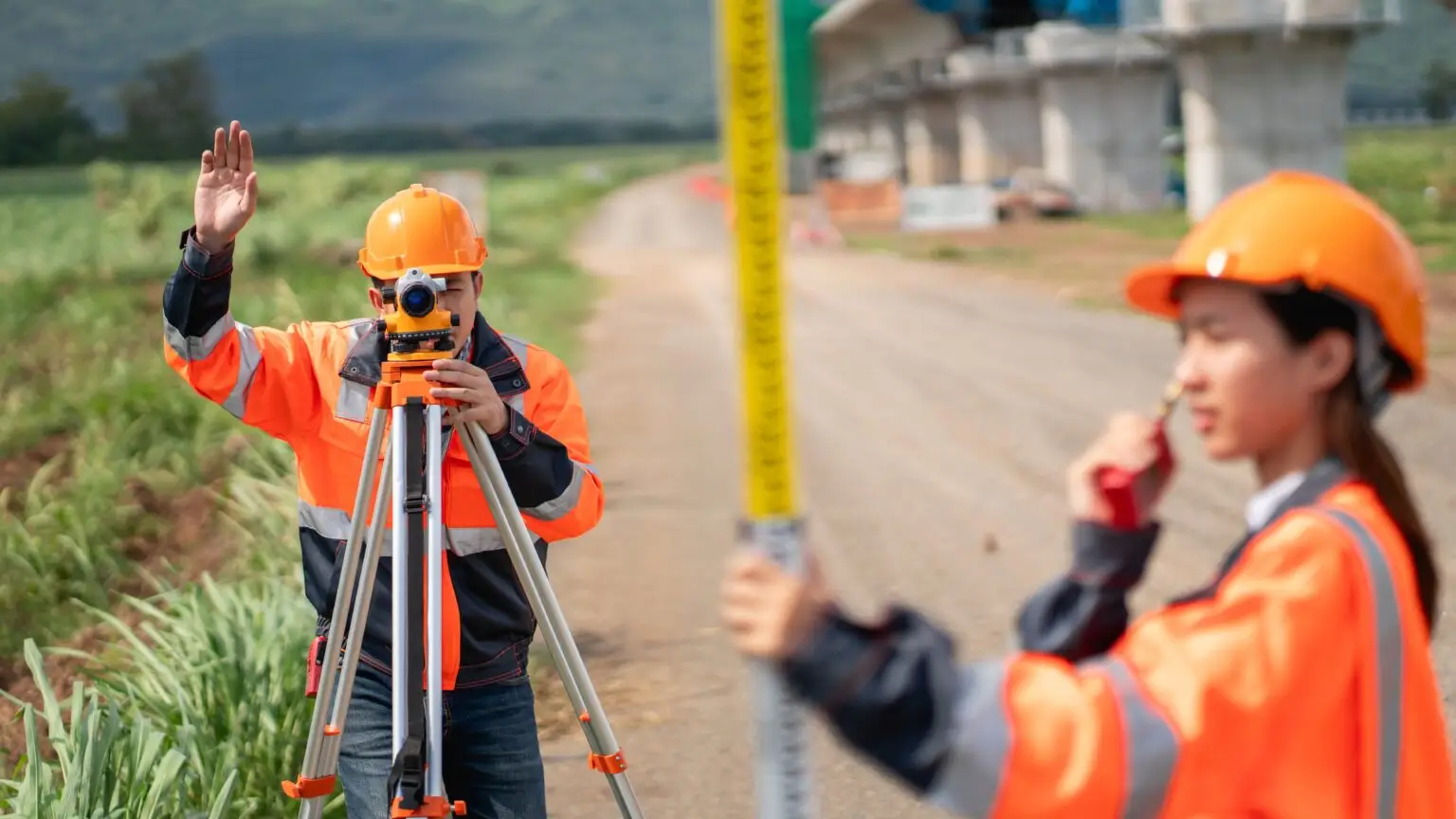


Surveying
Surveying courses in Australia combine outdoor fieldwork with modern technology. Training includes the use of surveying equipment and software (including GPS), data collection and analysis, and the creation of technical plans.
Applications include infrastructure projects such as roads and rail, as well as surveying for the resources sector and for open-cut and underground mining.
Graduates find opportunities in land surveying, mining, mapping and spatial information. Many programmes allow Diploma or Advanced Diploma graduates to receive credit towards a bachelor degree, shortening the pathway to university qualifications.
Surveying qualifications in Australia combine practical learning with modern technology and offer varied career opportunities in construction, the resources sector and mapping. International students benefit from good employment prospects, attractive career pathways in Australia and overseas, and the option to receive credit towards a shortened bachelor degree.
Pathway to higher education
Modern technologies
Diverse areas of application
Certificate III in Surveying and Spatial Information Services
Certificate IV in Surveying
(Advanced) Diploma of Surveying
Bachelor/Master of Surveying

Questions?
We have answers!
VISA PATHWAY THROUGH STUDY?
Studying in Australia can be more than education – it can be the key to your future.
Learn more about Permanent Residency pathways.