
Home » Education » Job Ready for PR » Occupations
Courses for your PR Pathway
Fast-track your Skills Assessment with the right trade qualification.

The right qualification for your Australian PR
The following overview lists example occupations and the corresponding Australian vocational qualifications that can meet the formal requirements for a Temporary Graduate visa. For occupations on the Medium and Long-Term Strategic Skills List (MLTSSL), these qualifications may open a potential migration pathway toward permanent residency.
This overview serves as a guide and does not claim to be exhaustive. Its purpose is to provide an initial orientation and highlight relevant training options that have proven effective in practice.

Motor Mechanic
Cert IV in Mechanical Diagnosis
The Motor Mechanic qualification provides the essential knowledge and skills needed to work successfully in the automotive industry. Training generally takes around two years and combines theoretical foundations with hands-on experience in a workshop environment. Motor Mechanics belong to the classic skilled trades that are in high demand throughout Australia.
Certificate III in Light Vehicle Mechanical Technology: Covers the fundamentals of vehicle maintenance, diagnostics, and repair.
Certificate IV in Mechanical Diagnosis: Builds on these skills with advanced training in complex fault-finding, engine management, electronics, and modern diagnostic systems.
Typical units include:
- Diagnosing and repairing engines, transmissions, and vehicle systems
- Electronic fault analysis and use of modern diagnostic tools
- Service and maintenance work on light vehicles
- Mechanical and electronic vehicle systems (brakes, steering, suspension)
- Advanced skills in diagnostics and repair planning
Training usually includes a Vocational Placement, ensuring practical experience in an approved automotive workshop.
Graduates are qualified to work in workshops, with automotive manufacturers, or in fleet management.
Common job roles include:
- Motor Mechanic
- Service Technician
- Workshop Supervisor / Foreman
Due to the strong demand for automotive trades in Australia, employment prospects are excellent, with clear pathways for career progression—for example into supervisory or workshop management roles.
Back to overview

Automotive Electrican
The Automotive Electrician qualification provides specialised skills in the maintenance, diagnosis, and repair of electrical systems in vehicles. Training focuses on modern automotive technology, sensors, electronics, and control systems. As vehicles become increasingly digital and electronics-driven, this expertise is highly sought after in the Australian automotive industry.
Courses / modules:
- Certificate III in Automotive Electrical Technology
- With optional specialisations in diagnostic tools, high-voltage systems, or hybrid/electric vehicles.
Typical units include:
- Diagnosing and repairing electrical systems (wiring networks, sensors, actuators)
- Working with electronic control units (ECUs), diagnostic software, and fault-finding procedures
- High-voltage / hybrid technology and electrical safety
- Wiring, circuits, sensor technology, and control signals
- Integration of mechanical and electronic systems (e.g., starter motors, lighting, charging systems)
Training typically includes a Vocational Placement, providing supervised practical experience in an approved workshop or specialist electrical service.
Graduates are qualified to work in automotive workshops or specialist electrical service companies—for example as:
- Automotive Electrician
- Diagnostic Technician
- Electrical Systems Technician
- Roles in vehicle testing and development
With growing experience, career pathways include positions such as team leader, workshop supervisor, or specialist in advanced electrical/electronic systems.
As vehicles continue to move toward electrification and connected technology, demand for skilled Automotive Electricians in Australia is expected to keep rising.
Back to overview
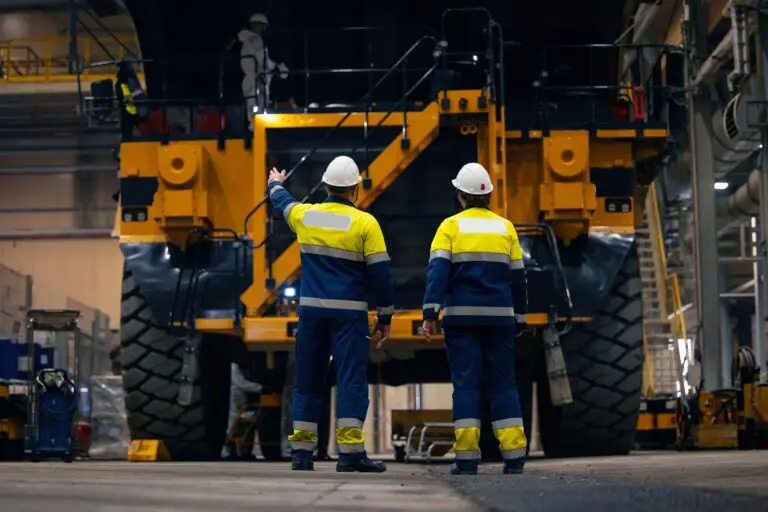
Diesel Motor Mechanic
The Heavy Diesel Mechanic qualification provides in-depth skills in the maintenance, diagnosis, and repair of diesel engines in heavy vehicles, machinery, and trucks. This specialisation is in high demand across Australia, as industries such as construction, mining, agriculture, and transport rely heavily on diesel-powered equipment. Graduates gain technical expertise that is valued across many regional and metropolitan areas.
The program covers a broad range of theoretical and practical mechanical disciplines, including:
- Diagnosis and repair of diesel engines and fuel-injection systems
- Servicing and repairing braking, steering, cooling systems, and transmissions
- Hydraulics, pneumatics, and electrical systems in heavy commercial vehicles
- Emissions control, turbocharging, and exhaust after-treatment systems
- Use of diagnostic tools, software, and sensor technology
- Workplace safety, environmental standards, and compliance requirements
Training typically includes a Vocational Placement, ensuring supervised hands-on experience in an approved workshop.
Graduates are qualified to work in heavy vehicle workshops, transport companies, mining operations, agricultural machinery services, or fleet maintenance centres. Typical job roles include:
- Heavy Diesel Mechanic
- Truck Technician
- Heavy Vehicle Service Technician
- Maintenance Technician for heavy machinery
With experience, career progression can lead to supervisory roles such as workshop manager, team leader, or specialist technician for advanced mechanical and diagnostic systems.
Back to overview

Panel Beater
The Panel Beater qualification provides the skills required to repair and restore vehicle bodies after accidents, damage, or wear. Training focuses on metal, plastic, and body repair techniques as well as surface preparation and refinishing. The program combines theoretical knowledge with practical workshop training and typically leads to a job-ready qualification within around two years.
The program covers a wide range of technical disciplines in both theory and practice, including:
- Body repair techniques (straightening, dent removal, welding)
- Metalwork, sheet-metal shaping, and welding processes
- Plastic repair methods and filler application
- Surface preparation, sanding, and smoothing
- Foundational knowledge in paint preparation and coatings
- Damage assessment and preparation of repair plans
Training usually includes a Vocational Placement to ensure hands-on experience in an approved workshop.
Graduates can work in body repair shops, panel and paint workshops, accident-repair centres, or automotive restoration businesses. Typical job roles include:
- Panel Beater / Body Repair Technician
- Automotive Body Repairer
- Paint Preparation Technician
With increasing experience, career progression may lead to positions such as workshop supervisor, quality controller, or specialist in structural and advanced body repairs.
Back to overview
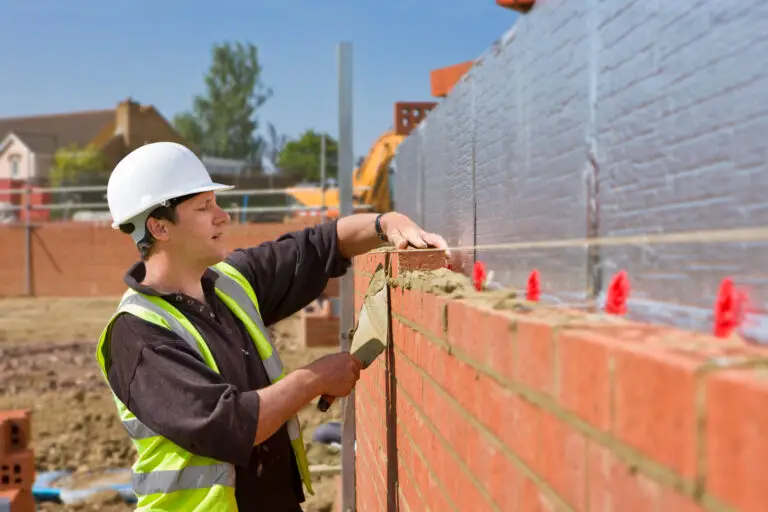
Bricklayer
The Bricklayer qualification provides the skills required to construct masonry and structural elements using bricks, stone and concrete blocks. Training covers both traditional techniques and modern construction materials, along with current industry standards. The program combines classroom learning with extensive practical training and typically takes around two years to complete.
Typical units include:
- Techniques for bricklaying, blocklaying and veneer work
- Block construction, stone cutting and layout methods
- Reading and interpreting construction plans
- Masonry bonds, jointing, sealing and waterproofing
- Material selection and building material science
- Site organisation, workplace safety and quality control
Training generally includes a Vocational Placement, providing hands-on experience with an approved construction services provider.
After completing the qualification, graduates can work in residential and commercial construction, civil projects or building restoration. Typical job roles include:
- Bricklayer
- Masonry Technician
- General Construction Worker (structural works)
With experience, career progression may lead to roles such as site supervisor, project coordinator or specialist in masonry construction.
Back to overview

Carpenter
The Carpentry qualification provides solid skills in timber construction, structural framing and woodworking techniques. The course combines theoretical training with extensive workshop and on-site practice and typically takes around two years to complete.
Typical units include:
- Structural timber construction, framing and roofing
- Interior construction, drywall installation and cladding
- Timber joints, formwork and furniture components
- Reading and interpreting construction plans and technical drawings
- Material science, timber protection and surface treatments
- Site organisation, workplace safety and quality control
Training normally includes a Vocational Placement, ensuring hands-on experience with an approved construction company.
After completing the qualification, graduates can work in residential and commercial construction, renovations or structural timber projects. Typical job roles include:
- Carpenter
- Joiner / Timber Technician
- Formwork Carpenter
- Construction Worker (timber and framing)
With experience, career pathways may lead to positions such as site supervisor, project coordinator or specialist in structural timber construction.
Back to overview
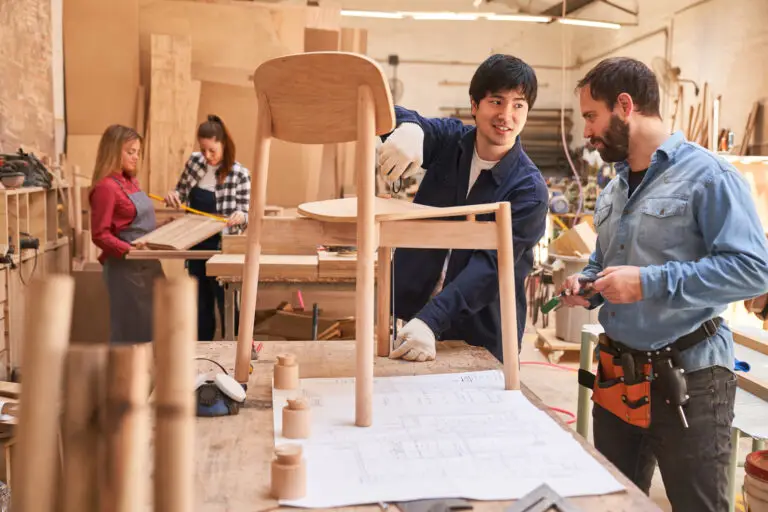
Cabinet Maker
The Cabinet Maker qualification provides comprehensive skills in the design, construction and installation of furniture and interior components. The program combines theoretical instruction with extensive workshop practice and typically takes around two years to complete.
Typical units include:
- Designing and creating furniture and interior fit-out components
- Reading and interpreting technical drawings
- Working with timber and manufactured board materials
- Producing furniture components and precision joinery
- Surface finishing, painting, lacquering and veneering
- On-site installation, fitting and adjustments
- Quality control, workplace safety and project organisation
Training normally includes a Vocational Placement, ensuring hands-on experience with an approved workshop or interior-fit-out company.
Graduates may find employment in furniture workshops, interior construction companies, design studios or premium fit-out businesses. Typical roles include:
- Cabinet Maker
- Furniture Maker
- Interior Fit-Out Specialist
With experience, career progression can lead to positions such as workshop supervisor, project manager or even self-employment in the furniture and interior construction sector.
Back to overview

Chef
Diploma of Hospitality Management
Training in Commercial Cookery provides the practical skills and theoretical knowledge required to work in a professional kitchen. It prepares students for a wide range of culinary environments — from restaurants and hotels to catering companies and event venues. The program typically takes around two years and combines classroom learning with extensive hands-on practice.
Typical units include:
- Preparation of a wide variety of dishes (appetisers, main courses, desserts)
- Cooking techniques: frying, sautéing, grilling, baking, steaming
- Menu design, costing and food cost management
- Food safety, hygiene and HACCP standards
- Kitchen organisation, mise en place and workflow planning
- Specialisations such as patisserie, international cuisine or vegetarian cooking
- Guest experience, presentation and service procedures
Training usually includes a Vocational Placement, providing practical experience in an approved commercial kitchen.
Graduates can find employment in restaurants, hotels, catering companies or event services in roles such as:
- Commis Chef
- Chef de Partie
- Sous Chef
With experience and leadership skills, career progression may lead to positions such as Head Chef, Kitchen Manager, Executive Chef or roles in hospitality operations management. Additional specialisation in specific cuisine styles or culinary fields can further enhance career opportunities.
Back to overview

Joiner
The Joiner qualification provides specialised skills for high-quality interior construction and the production of custom-made timber components such as doors, windows, staircases and furniture. Compared to general carpentry, joinery places a stronger emphasis on precision, fine detail and decorative elements. The two-year training program combines theoretical learning with extensive practical experience in workshops and on construction sites.
Typical units include:
- Manufacture and installation of furniture, built-in components and interior fittings
- Reading and interpreting construction and technical drawings
- Working with timber and manufactured board materials
- Joinery techniques, fittings and hardware
- Surface finishing, painting, lacquering and veneering
- On-site adjustment and installation of building components
- Safety, quality control and project planning
Training typically includes a Vocational Placement, providing hands-on experience with an approved joinery or interior-fit-out business.
Graduates can work in interior construction, furniture making, renovation projects or specialist joinery workshops. Typical job roles include:
- Joiner
- Interior Fit-Out Specialist
- Installation Technician
With experience, career progression may lead to roles such as workshop supervisor, project manager or specialist in interior-construction design.
Back to overview

Painting Trades Worker
The Painting Trades Worker qualification provides the technical skills and knowledge required to prepare, finish and protect building surfaces to a professional standard. Training focuses on surface preparation, paint application, decorative techniques and maintenance work. The program typically takes around two years and combines classroom learning with practical experience on construction sites and in workshops.
Typical units include:
- Surface preparation: cleaning, sanding, filling and patching
- Paint applications: interior & exterior coatings, varnishes, timber treatments
- Wallpapering, textured finishes and decorative surface techniques
- Waterproofing, weather protection and coating repairs
- Colour management, paint mixing and material selection
- Workplace safety, scaffolding practices and environmental compliance
Training usually includes a Vocational Placement, ensuring hands-on experience with an approved painting or construction business.
Graduates can find employment with painting contractors, renovation companies or construction firms in roles such as:
- Painter
- Decorator
- Maintenance Technician
- Surface Coatings Specialist
With growing experience, career progression may lead to roles such as site supervisor, colour consultant, estimator for coating projects or specialist in decorative and protective finishes.
Back to overview

Solid Plasterer
After completing the qualification, graduates can find employment in structural construction, interior and exterior rendering, renovation and restoration. Typical job roles include Solid Plasterer, Renderer or Facade Specialist. With experience, career pathways may lead to positions such as project supervisor, site manager or specialist in high-quality plaster and decorative stucco work.
Typical units include:
- Surface preparation: cleaning, priming and levelling
- Application of plaster mortars (cement, lime and gypsum-based renders)
- Reinforcement techniques, mesh installation and multilayer render systems
- Finishing coats, textured renders and decorative techniques
- Joint work, edges, corners and repair methods
- Workplace safety, scaffolding, and material and tool management
Training generally includes a Vocational Placement, providing supervised practical experience with an approved rendering or construction company.
After completing the qualification, graduates can work in structural construction, interior and exterior rendering, renovation and restoration. Typical job roles include:
- Solid Plasterer
- Renderer
- Facade Specialist
With experience, career progression may lead to positions such as project supervisor, site manager or specialist in high-quality plaster and decorative stucco work.
Back to overview
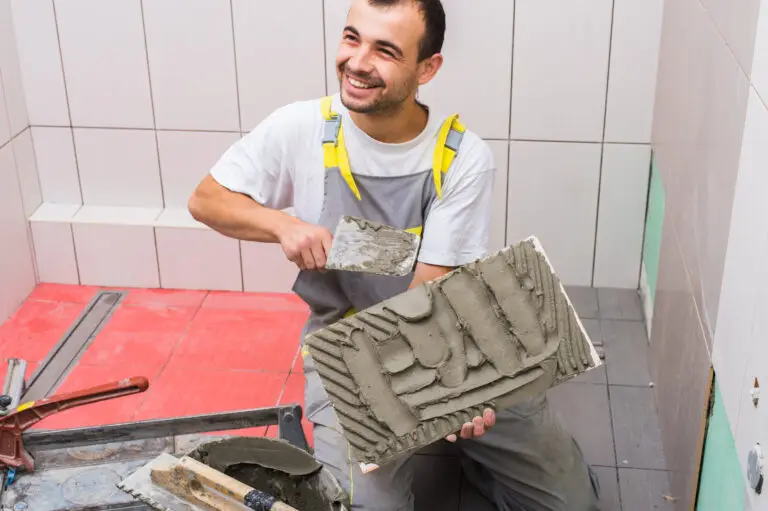
Wall and Floor Tiler
The Wall and Floor Tiler qualification provides the skills needed to professionally install tiles on walls and floors. The program combines theoretical instruction with extensive hands-on training in workshops and on construction sites and typically takes around two years to complete.
Typical units include:
- Preparing surfaces: levelling, waterproofing and priming
- Selecting appropriate tiles and materials
- Cutting and shaping tiles (ceramic, marble, glass, etc.)
- Installation techniques: wall and floor tiling, patterns and layouts
- Grouting, silicone application and joint maintenance
- Waterproofing and drainage methods
- Workplace safety, tool handling and material knowledge
Training generally includes a Vocational Placement, ensuring supervised practical experience with an approved tiling or construction business.
After completing the qualification, graduates can work in construction companies, renovation businesses, bathroom and kitchen installation services, or specialised tiling firms. Typical job roles include:
- Tiler
- Wall and Floor Tiling Technician
- Tile Installer
With experience, career progression may lead to project supervision, quality control roles, or specialisation in complex design tiling and large-format installations.
Back to overview

Boat Builder
The Boat Builder qualification provides the skills and knowledge required for the construction, repair and maintenance of boats and marine structures. The program combines theoretical foundations with extensive practical workshop and on-site training and typically takes around two years to complete.
Typical units include:
- Planning and building hulls using timber, fibre-reinforced composites and other modern materials
- Repair techniques for yachts, recreational vessels and small craft
- Structural reinforcement, laminating and fabrication of structural components
- Surface finishing, gelcoat application and sealing
- Reading and interpreting marine technical drawings and plans
- Material science, corrosion protection and marine safety
- Workplace safety, sanding, polishing and quality control
Training usually includes a Vocational Placement, providing hands-on experience with an approved marine construction or repair business.
Graduates can find employment with boat-building companies, marinas, yacht shipyards, or marine repair and restoration services. Typical roles include:
- Boat Builder
- Marine Technician
- Marine Maintenance Specialist
With experience, career progression may lead to positions such as site supervisor, project manager or specialist in hull construction and yacht building.
Back to overview

Electronic Instrument Trades Worker
The Electronic Instrument Trades Worker qualification provides comprehensive skills in electrical and electronic measurement, control and automation systems. The program prepares students to install, maintain and commission complex instrumentation and control equipment — a highly specialised field that plays a crucial role in industry, energy production and process automation.
Typical units include:
- Installation and maintenance of measurement and control instruments
- Sensors, actuators, process measurement and control engineering
- Signal acquisition, calibration and data analysis
- Electrical and electronic systems, control circuits and schematics
- Programming, control logic and PLC (Programmable Logic Controller) systems
- Fault-finding, diagnostic tools and system optimisation
- Safety procedures, electrical standards, compliance and quality testing
Training generally includes a Vocational Placement, providing practical experience with an approved industrial or technical employer.
Graduates can find employment in industrial automation, manufacturing, energy and utilities, process plants or laboratory and testing environments. Typical job roles include:
- Instrumentation Technician
- Automation Technician
- Testing and Measurement Technician
With experience, career progression may lead to roles such as team leader, project manager or specialist in advanced industrial control and measurement systems.
Back to overview
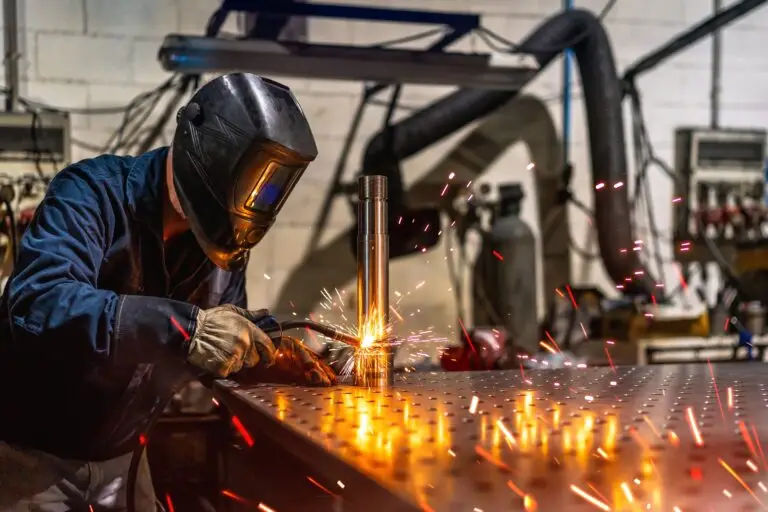
Fitter / Metal Fabricator / Welder
These trades are among the classic technical occupations with strong employment potential in Australia. The qualification provides skills in metalworking, fabrication techniques, welding processes, machining and the assembly of components. Theory and practice are closely integrated — the program typically takes around two years and prepares students for demanding industrial roles.
Typical units include:
- Metalworking: cutting, bending and forming
- Welding and joining techniques (MIG, TIG, arc welding)
- Machining and fabrication (lathe operation, milling, CNC basics)
- Assembly of components and manufacturing processes
- Reading technical drawings and precision measurement
- Materials science, surface treatment and corrosion protection
- Workplace safety, quality testing and machine operation
Training usually includes a Vocational Placement, providing practical experience with an approved engineering or fabrication employer.
Graduates can work in factories, workshops, machine manufacturing companies or pipeline and industrial construction. Typical job roles include:
- Fitter
- Metal Fabricator
- Machinist
- Welder
With experience, career pathways may lead to supervisory roles such as team leader, welding inspector or fabrication supervisor. Employment prospects are particularly strong in Australia’s industrial and resource-rich regions.
Back to overview

Civil Engineering Draftsperson
The Civil Engineering Draftsperson qualification provides the technical skills required to produce engineering drawings and plans for civil and infrastructure projects. Training focuses on creating accurate construction drawings, digital models and design documentation for roads, bridges, utilities and earthworks. The program combines theoretical study with practical application and typically takes around two years to complete.
Typical units include:
- Reading, interpreting and producing technical construction plans and drawings
- Using CAD software (e.g. AutoCAD, Civil 3D) to model infrastructure projects
- Design and detailed planning of roads, pipelines, drainage systems and terrain models
- Topography, profiles, contouring and land development
- Construction principles in roadworks, drainage and utility engineering
- Industry standards, regulations and construction codes
- Project coordination, document management and quality assurance
Training generally includes a Vocational Placement, ensuring hands-on experience with an approved engineering consultancy or construction company.
Graduates can work in engineering consultancies, construction firms, planning departments or public utility organisations. Typical job roles include:
- Civil Draftsperson / Engineering Draftsperson
- CAD Technician
- Infrastructure Draftsperson
- Technical Drafting Officer (Civil)
With experience, career advancement is possible into roles such as project coordinator, CAD specialist or team leader in design and drafting.
Back to overview

Your Pathway to PR
A training programme in Australia can be a powerful stepping stone towards obtaining permanent residency — it creates opportunities but also involves potential pitfalls. What matters most is choosing the right course and aligning it strategically with the appropriate visa options from the very beginning.
This is precisely where our strength lies: Visapath combines education and migration expertise to develop the best pathway for your individual circumstances.