
Home » Visa categories » Australia » Australian Citizenship
Australian Citizenship
Your pathway to Australian citizenship.

Your pathway to Australian citizenship
Arriving. Belonging. Officially becoming Australian.
On this page:
- Benefits of citizenship
- How the process works
- Which requirements apply

How do I become an Australian citizen?
Australian citizenship is the final step on the path towards full integration in Australia – and an important milestone for many who already live and work here. Anyone who holds Permanent Residency in Australia can, after meeting the residence requirement, apply for citizenship and gain the full rights and privileges of an Australian citizen.
You cannot buy Australian citizenship or obtain it directly without holding an eligible visa beforehand. It is granted solely on the basis of clearly defined legislative criteria – such as residence periods, the good character requirement and English language requirements. This is to ensure that new citizens see Australia as their home not only in a legal sense, but also culturally.
The process includes a formal application, the Citizenship Test and the official Citizenship Ceremony.
Why Australian citizenship?
Australian citizenship is the final step on the journey from migration to full integration. While Permanent Residents already enjoy many rights, citizenship offers additional security, freedom and participation in public life.
It is not strictly required to live in Australia permanently – but it opens doors that remain closed with permanent residency alone.
Benefits of Australian citizenship
Benefits of Australian citizenship
- Unlimited right to enter and stay
No need to renew a visa in order to travel – and no risk of losing your right to stay due to longer absences.
- Australian passport
One of the strongest passports in the world – allowing visa-free travel to more than 180 countries and use of SmartGates at airports.
- Citizenship for children born abroad
Children of Australian citizens may, under certain conditions, acquire citizenship as Citizens by Descent.
- Right to vote and participate in civic life
Only citizens can vote – and voting is compulsory in Australia. If you wish, you can also stand for public office.
- Consular protection overseas
In an emergency, you can receive assistance from Australian embassies – for example in cases of lost passports, legal issues or medical emergencies.
In addition, Australian citizenship provides opportunities that go beyond residency rights. It grants access to government and security-cleared roles, enables a greater flexibility in higher education through student support and HECS-HELP loans, and offers long-term security and stability, as citizens cannot lose their Australian residency rights.

How do you become an Australian citizen?
Step by step to Australian citizenship

Application
Apply for Australian citizenship online.

Test & Interview
Citizenship Test and personal Interview.

Ceremony
Citizenship Ceremony and Pledge.
- Citizenship
application - Citizenship test
and interview - Citizenship
ceremony
application

Online application
The application for Australian citizenship is lodged directly with the Department of Home Affairs. Generally, you must hold Permanent Residency and meet the required minimum residence period in Australia – the Residency Requirements.
The application must include complete and accurate personal, family and residency information. This includes identity information, your travel and visa history, and evidence of “good character”.
Tip: Organising your documents clearly in advance makes the process much easier. A professional review by a Migration Agent can help ensure your application is complete and consistent before lodgement.
and interview
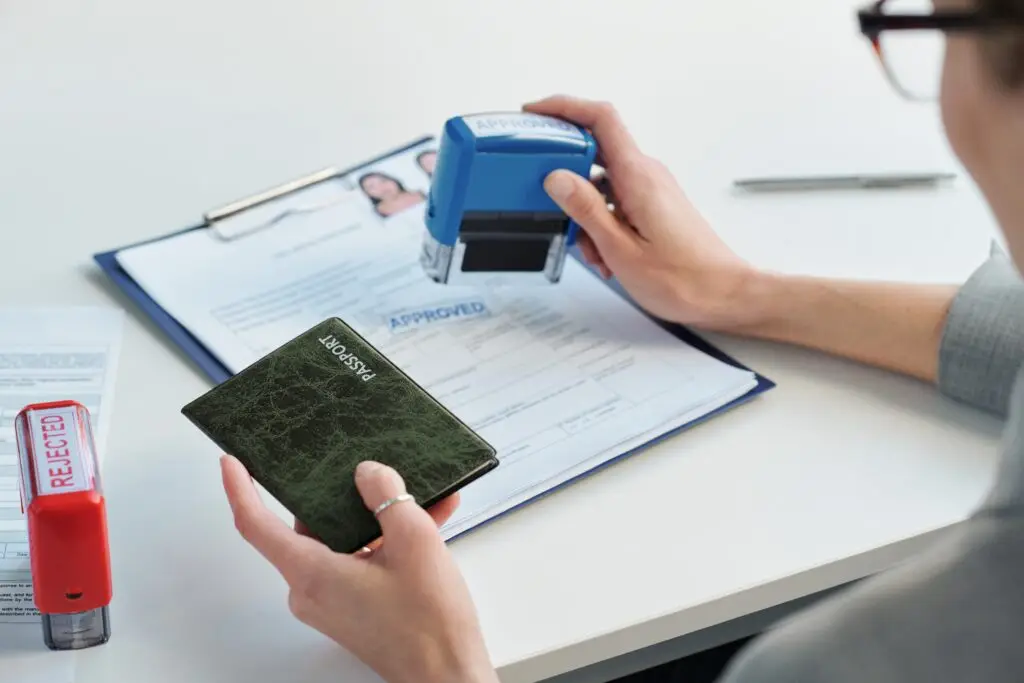
Test & Interview
After the application has been reviewed, the Department of Home Affairs issues an invitation to sit the Citizenship Test – combined with a short interview.
The test is a key component of the process and is designed to demonstrate your knowledge of Australia, its values, institutions and the responsibilities that come with citizenship.
Important information about the Citizenship Test:
- The test consists of multiple-choice questions on Australian history, political system, rights and responsibilities, and Australian values.
- It also serves as proof of sufficient English language ability.
- People under 18, over 60, or with certain disabilities are exempt.
- The Department provides free study materials, tutorials and practice tests.
ceremony
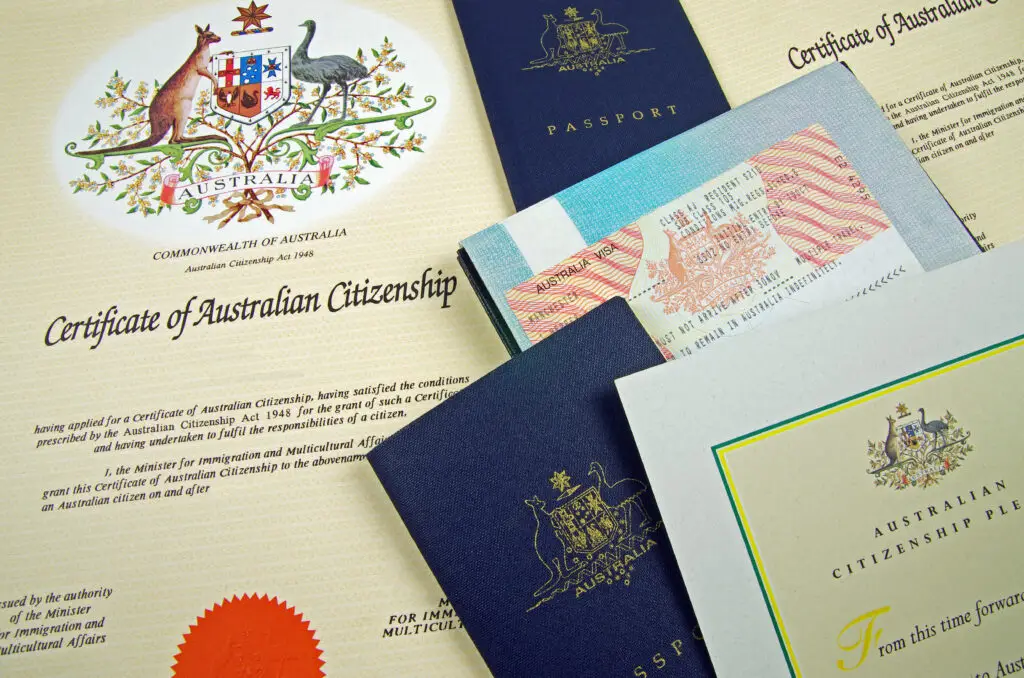
Ceremony & Pledge
After passing the test and once your application is approved, you will be invited to attend a Citizenship Ceremony – the final step towards becoming an Australian citizen. These ceremonies are organised by the local council.
Good to know:
- During the ceremony, you make the Australian Citizenship Pledge – the formal oath of commitment to Australia.
- You officially become an Australian citizen when you receive your Citizenship Certificate.
- With the certificate, you can apply for an Australian passport.
Secure your individual consultation now
Australian citizenship is more than a legal status – it represents your new home.
We’ll work with you to determine when and how you can lodge your application successfully.
- Eligibility requirements for Australian citizenship
To be eligible to apply for Australian citizenship, you generally need to meet the following requirements:
- You are a Permanent Resident — both at the time of application and at the time of the decision.
- You have lived lawfully in Australia for at least four years in total, including a minimum of 12 months as a Permanent Resident.
- You meet the good character requirement (no relevant criminal history).
- You intend to live in Australia permanently, or you can demonstrate a close and continuing connection to the country.
Children under 16 are exempt from the residence requirement and may be included in a parent’s application.


How Visapath
Supports You
Applying for Australian citizenship is the final step on your journey from Permanent Residency to full integration in Australia. We support you through the preparation, review and submission of your application, check your eligibility and residency periods, and ensure that all documents are complete and clearly presented.
With our experience in Australian immigration law, we ensure your application is clear, accurate and efficiently prepared – making your pathway to citizenship as smooth as possible.
Citizenship - FAQS
FAQS

01 What is the difference between Permanent Residency and Citizenship?
Permanent Residents may live and work in Australia indefinitely, but they do not have the right to vote and must maintain a valid travel facility if they wish to leave and re-enter Australia.
Citizens enjoy full rights, protection and unrestricted travel freedom without any time limitations.
02 How difficult is the Citizenship Test?
The test is a 20-question multiple-choice exam. You must answer 75% correctly, including all questions relating to Australian values.
With the preparation materials provided by the Department of Home Affairs, the test is very manageable.
03 What happens if I leave Australia while my application is being processed?
You must be in Australia both when lodging the application and at the time the decision is made. Short trips are allowed – as long as you maintain your Permanent Resident status throughout this period.
This means you must still hold a valid travel facility on your permanent visa, or you must have applied for a Resident Return Visa in time.
04 Can children be included in the application?
Yes. Children under 16 can be included in their parents’ application, provided they are also Permanent Residents.
05 Can citizenship be revoked?
Yes, but only in exceptional cases – for example, in cases of proven fraud during the process or involvement in terrorist activities.

LET’S KEEP IN TOUCH
Want regular updates about living and working in Australia and New Zealand?
Simply subscribe to our newsletter.
You’ll receive our regular updates. You can unsubscribe at any time.